
Exploring the Mystical World of honey
Honey holds a special place in many cultures around the globe. From ancient rituals to modern culinary delights, this golden substance has transcended time and tradition. People have appreciated it not only for its sweetness but also for its myriad medicinal properties. Various societies have used honey in folk remedies, believing it to possess healing capabilities. Its role in promoting health and well-being speaks to the wisdom of earlier generations.
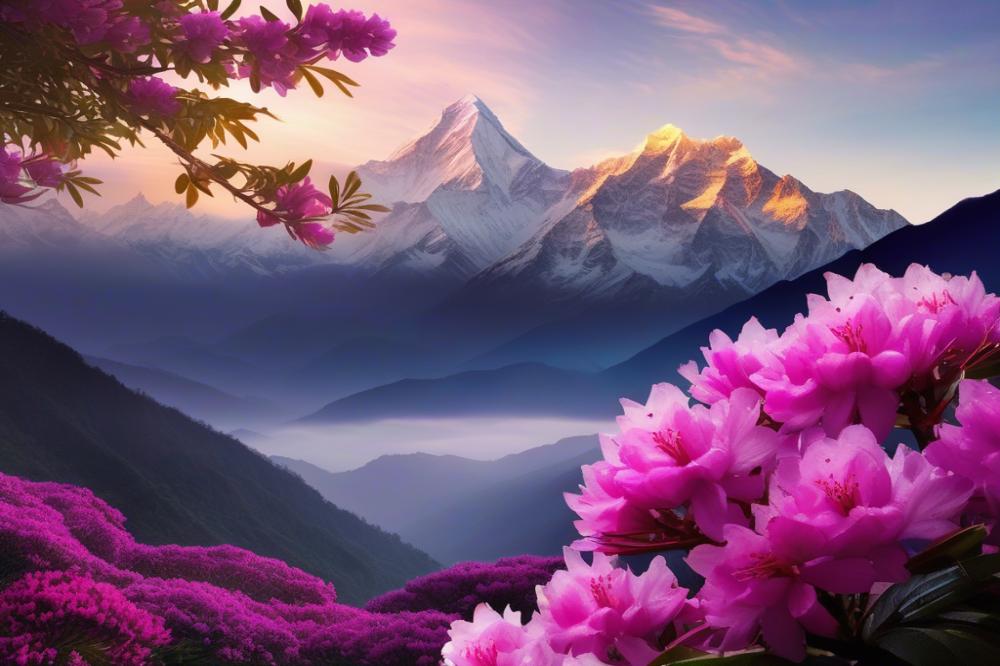
In the heart of the Himalayas, a particular type of honey stands out. Gathered from the vibrant blooms of Rhododendrons, this honey emerges from the stunning landscape of Nepal. This region is renowned for its biodiversity, providing bees with a rich tapestry of flora to pollinate. The interplay of local climate and vegetation contributes to the distinct characteristics of this wildcrafted honey. Encountering this sweet delight offers a glimpse into the harmonious relationship between nature and traditional practices of bee farming.
Tasting honey from Nepal reveals the complex flavors derived from Himalayan herbs and flowers. Rhododendrons, with their striking blooms, infuse the honey with unique notes. Each jar captures stories of the rugged terrain and sustainable harvesting methods practiced by local beekeepers. Sampling this honey is not just about enjoying a sweet treat; it connects people with the land and its traditions. Exploring the essence of honey helps underscore the importance of preserving biodiversity and encouraging sustainable practices in gathering this natural treasure.
The Essence of Wild Himalayan Honey
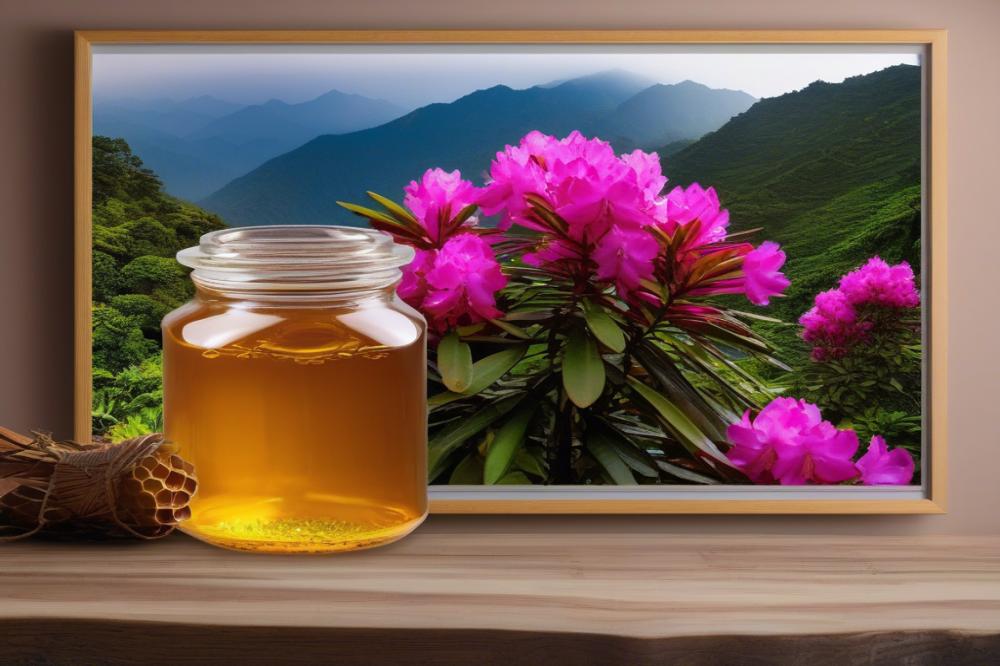
Wild Himalayan Honey captivates with its rich color, which can range from deep amber to a lighter golden hue. Its flavor is complex, often described as subtly sweet with hints of wildflowers and herbs. Each drop carries the essence of the rugged mountains, making it a true reflection of its environment. The aroma is equally enchanting, offering a fragrant bouquet that hints at the flowers the bees have visited during gathering.
The production of this honey is intricately linked to the vibrant Rhododendron flowers found throughout Nepal. These striking blossoms not only contribute their nectar but also impart a distinct, floral note to the honey. When bees pollinate these flowers, the resulting honey embodies the very spirit of the Himalayas. Traditional practices in bee farming emphasize the importance of these flowers, as beekeepers often seek favorable conditions for the bees’ foraging.
Biodiversity plays a critical role in shaping the flavor profiles of honey in this region. The mix of Himalayan herbs and various flower types contributes to a range of tastes that can vary significantly from one harvest to another. Different altitudes and microclimates allow for an abundance of pollen sources, enhancing the complexity of the honey. This natural variety gives each batch a unique characteristic as it reflects the flora flourishing around the hives.
Wildcrafting techniques are vital to ensure the sustainability of honey production. Beekeepers often adhere to traditional methods, promoting ecological balance. By respecting the land and its biodiversity, they support both the health of the bee populations and the quality of their honey. The relationship between the bees and their environment is essential; without such harmony, the distinctive flavors would suffer.
Medicinal Properties and Health Benefits
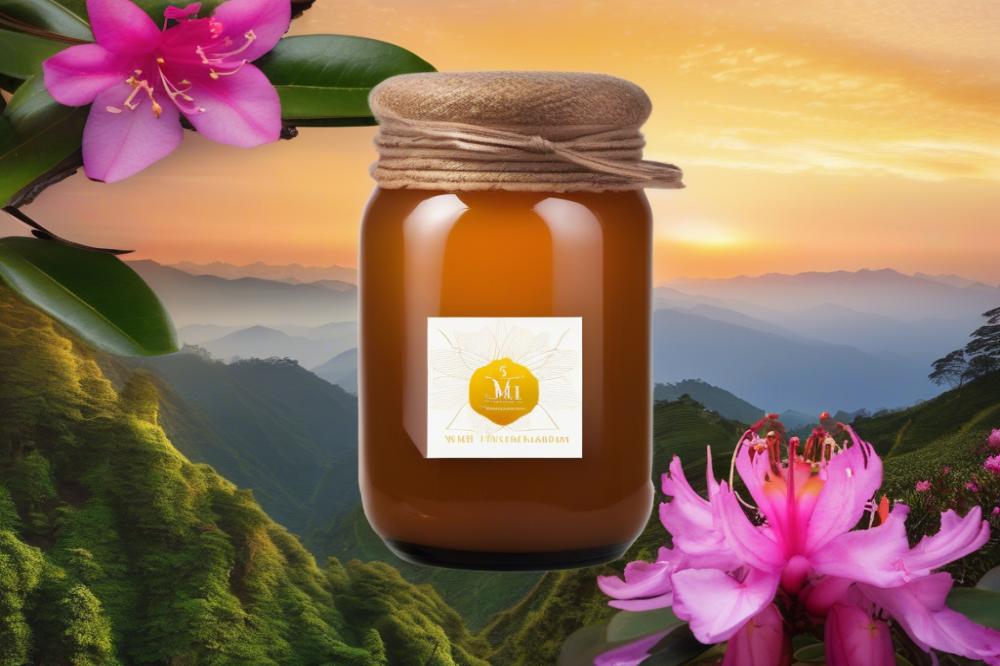
In the high mountains of Nepal, local communities have long revered wild honey for its medicinal uses. Traditional practices often involve mixing this honey with various herbs to create healing tonics. Anecdotes suggest that hunters, gatherers, and healers have used it for centuries to treat ailments ranging from sore throats to digestive issues. Its role in folk medicine is deeply rooted in the culture and lifestyle of the Himalayan people.
This honey boasts several medicinal properties that make it a sought-after natural remedy. Rich in antioxidants, it combats free radicals in the body, which can lead to cellular damage. Studies indicate that the honey also has anti-inflammatory effects, which may help reduce swelling and pain. These properties make it a valuable ally for those suffering from chronic conditions.
The biodiversity of the Himalayan region plays a significant part in shaping the characteristics of this honey. The bees that produce it gather nectar from rhododendrons and other local flora. This sweet treat absorbs elements from these plants, augmenting its health benefits. Additionally, the connection with Himalayan herbs becomes evident when considering the unique compounds these plants provide. They often work synergistically with honey, enhancing its healing potential.
Bee farming practices in Nepal often highlight sustainable harvesting techniques. Local beekeepers understand the importance of maintaining pollinator populations. They engage in wildcrafting, ensuring that both the bees and the environment thrive. By preserving natural habitats, they contribute to the ecosystem while also supporting their health and livelihoods.
The communities recognized the benefits of these natural resources long ago. Traditional uses of honey are as much about culture as they are about healing. Just like the spices and herbs flourishing in the region, honey serves as a reminder of the wisdom passed down through generations. Its role extends beyond just being a sweetener; it’s an integral part of holistic health.
Traditional Practices and Sustainable Harvesting
In the mountainous regions of Nepal, local communities engage in fascinating beekeeping traditions. These traditional practices play a vital role in their culture and economy. Local bee farmers often rely on the natural environment, tapping into the rich flora of Himalayan herbs and rhododendrons.
Beekeepers use unique techniques passed down through generations. They set up natural hives in tree branches, a method that allows bees to thrive. Collecting honey becomes an event that involves skill and knowledge. Often, these artisans climb steep hillsides to gather their bounty. While harvesting, they follow rituals that show respect for their bees.
Sustainable harvesting is critical for preserving biodiversity in these diverse ecosystems. When managed well, wildcrafting can help maintain healthy bee populations. Local bees contribute significantly to pollination, ensuring that surrounding plants flourish. This connection between honey production and the health of the land is crucial.
The local community understands the medicinal properties of their harvest. Honey is not just a sweetener; it serves many health benefits as well. Families often rely on it to treat ailments and enhance their diets. By supporting sustainable practices, they protect the delicate balance of nature around them.
Visitors to Nepal can witness these traditions firsthand. Individuals who participate in honey collection learn about the relationships between people and bees. Respecting local customs allows for a deeper understanding of the land and its resources. Supporting these traditions leads to a stronger economy and healthier ecosystems.
Pollination and its Ecological Impact
Bees play a crucial role in the pollination of many plants, including rhododendrons in the Himalayas. These pollinators not only support floral diversity but also contribute to the production of honey with exceptional taste and medicinal properties. Wild Himalayan Honey is a product of this intricate relationship between bees and their environment. Without these industrious insects, many Himalayan herbs would struggle to reproduce, which would impact both local ecosystems and economies.
Challenges abound for bee populations across the rugged terrains of Nepal. Climate change affects flowering patterns, limiting food sources for bees. Pesticides and habitat destruction further threaten these vital pollinators, leaving them vulnerable and decreasing biodiversity. Some regions have reported a decline in bee farming activities due to these pressures, making traditional practices harder to uphold.
Protecting pollinator habitats is essential for the future of honey production in Nepal. Practicing sustainable harvesting methods can help maintain bee populations and their habitats. By wildcrafting responsibly, local communities can support both economic stability and ecological health. A well-balanced approach is needed to ensure pollinators thrive, benefiting both the environment and the people who rely on bees for their livelihoods.
Efforts to promote awareness about the significance of bees are gaining traction. Educating communities on the essential role of pollination can foster more appreciation for these tiny yet mighty creatures. Encouraging the cultivation of indigenous flowers will also provide sustenance for bees, helping them flourish in their natural habitat. Caring for the environment is no longer just an option; it is a necessity for maintaining the treasured balance that supports both nature and human life.
Final Thoughts
The attributes of wild Himalayan honey are truly remarkable. This special nectar, gathered from the blooms of rhododendrons, holds a deep connection to the landscape of Nepal. Its rich flavor and distinct aroma reflect the biodiversity of the region. Many people prize this honey not just for its taste but also for its health benefits. It stands as a symbol of the intricate relationship between nature and humanity.
Culturally, honey plays a vital role in the lives of many Nepali communities. It is often used in traditional ceremonies and as a natural remedy for various ailments. Furthermore, beekeeping practices contribute to local economies. Hundreds of families depend on honey for their livelihoods. By preserving these practices, communities support both their cultures and the environment.
Ecologically, the survival of bees is crucial for plant pollination. This process helps maintain the health of ecosystems, particularly in mountain regions. Protecting these pollinators aids in the conservation of biodiversity. Without bees, many plants—including those that produce wild honey—would struggle to reproduce, threatening the balance of life within these habitats.
To ensure the future of wild honey and its sources, it is essential to encourage sustainable practices. Supporting local beekeepers not only promotes economic growth but also fosters a culture of environmental responsibility. As we enjoy the benefits of this delicious product, we must remember our role in preserving these natural treasures. By learning more about these practices, we can play a part in protecting biodiversity for generations to come.