
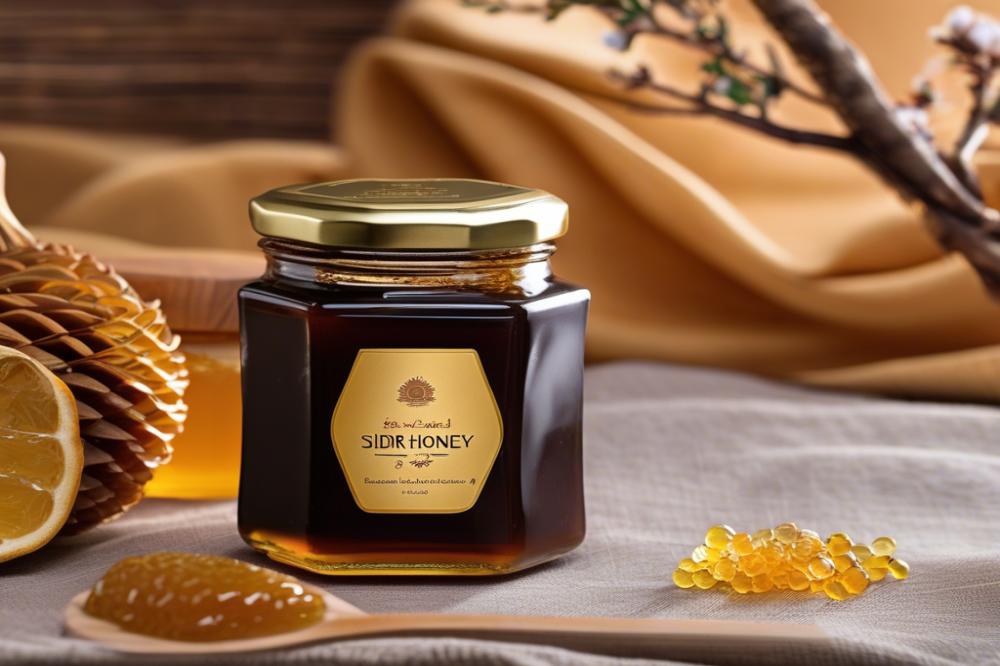
Introduction to Sidr Honey
Sidr Honey comes from the flowers of the lote tree, which grows in Yemen’s rich landscapes. This ancient sweetness has been cherished for centuries. It stands out among other honey varieties due to its complex flavor and warm, amber hue. The cultural significance of Sidr Honey is rooted deeply in Yemen‘s traditions. Families have used it in rituals, celebrations, and daily life for generations.
Many people are not only drawn to its taste but also to its health benefits. This organic honey is known for its impressive nutritional value. It contains various vitamins, minerals, and antioxidants that contribute to overall wellness. The therapeutic properties of this bee product make it a staple in natural remedies. Some use it to soothe digestive issues or strengthen the immune system.
In addition to its medicinal uses, Sidr Honey has rich culinary uses. Cooks often incorporate it into both traditional dishes and modern recipes. Whether drizzled over warm bread or blended into beverages, its versatility shines through. Furthermore, artisanal products made from Sidr Honey highlight the craftsmanship and dedication of Yemeni beekeepers. They take care in crafting high-quality honey that reflects their heritage and respect for this sacred tree.
As interest in health-conscious choices rises, so does the appreciation for this remarkable honey. Consumers are seeking out its unique flavor and numerous benefits. This ancient honey is much more than a sweet treat; it is a symbol of Yemen’s history and the lasting bond between nature and culture.
Sidr Honey: Origin and Production

The lote tree, known locally as Sidr, holds great significance in Yemen. This tree flourishes in arid climates, often growing in remote areas. Its leaves and flowers are integral to the bees, as they provide nectar that results in the coveted Sidr Honey. The flavor profile of this honey is unlike any other. It carries deep notes of caramel with hints of floral sweetness. Many consider it a connection to ancient sweetness.
Bee keepers rely on traditional methods to harvest and process this exquisite honey. They often climb the lote trees to collect honeycombs, ensuring minimal disturbance to the bees. This method honors centuries-old practices passed down through generations. After collection, artisans carefully extract honey by hand. Filtering is done gently to maintain its natural properties, ensuring a pure, unprocessed product.
Local beekeepers take pride in their artisanal approach to production. Organic honey is more than just a label; it’s a lifestyle. No chemicals or artificial additives are used in the process. These beekeepers focus on the health benefits of their products, cultivating an environment where bees thrive naturally. This results in honey packed with nutritional value, which many celebrate for its therapeutic properties.
Culinary uses of this honey are diverse. It adds depth to many dishes, from marinades to desserts. People in Yemen often use it in traditional tea or as an ingredient in savory meals. Its taste not only elevates the dishes but also ties them to the rich heritage of the region. Many enjoy it as a natural sweetener or simply drizzled over bread.
The production of Sidr Honey encapsulates a unique relationship between nature and artisan skills. From the lote trees to the meticulous harvesting practices, each step showcases dedication. The result is not just a sweet treat but a piece of Yemeni culture. This honey offers more than flavor; it embodies traditions, health, and history. The intricate process of creating such a valued product highlights the importance of preserving these age-old practices.
Nutritional Value and Health Benefits

Originating from the sacred lote tree, Sidr honey offers an impressive nutritional profile. It contains vitamins such as B6 and C, along with essential minerals like calcium, magnesium, and potassium. These nutrients contribute to its status as a powerhouse among organic honey varieties. Antioxidants are also abundant, which can help combat oxidative stress in the body.
This ancient sweetness is celebrated for its diverse health benefits. One of the most notable effects is its ability to support the immune system. Regular consumption may enhance your body’s defenses against common illnesses. Many people rely on it during cold and flu season, believing it to aid their recovery.
Since ancient times, the same honey has been utilized for wound healing. Applying it directly to injuries can promote faster healing. The antibacterial properties found in this honey inhibit the growth of harmful bacteria, reducing the risk of infections. In many cultures, the sweet substance has longstanding traditional uses in medicine.
Another significant aspect involves digestive health. Some studies suggest that it can help soothe stomach issues and act as a natural remedy for gastrointestinal discomfort. When used in various culinary applications, like in tea or as a topping for desserts, it may also encourage a healthy gut.
Alongside its medicinal benefits, this artisanal product carries therapeutic properties. Many practitioners of traditional medicine appreciate it for its soothing effects. Whether it’s used to relieve coughs or as a health booster, the versatility of this bee product is noteworthy.
Ultimately, those who choose to incorporate it into their diet often speak about its remarkable effects. Each spoonful not only adds sweetness to meals but also provides measurable health advantages. From enhancing immune function to promoting wound care, this honey from the lote tree remains a treasured natural remedy.
Culinary Uses of Sidr Honey
Sidr Honey offers a rich flavor profile that enhances various dishes. This organic honey is famous for its dark amber color and thick texture. The taste is a harmonious blend of sweetness with subtle hints of herbal and woody notes, making it ideal for a broad range of culinary applications.
When considering recipes, one popular way to enjoy this ancient sweetness is drizzling it over yogurt. The natural tanginess of yogurt balances perfectly with the honey’s complex flavors. It serves as a delightful topping for fresh fruits too. Try pairing it with figs or dates for a simple yet satisfying snack. These combinations not only offer a treat for your taste buds but also highlight the nutritional value of each ingredient.
In traditional Yemeni cuisine, Sidr Honey plays a vital role. It is often used in savory dishes, enhancing flavors that may otherwise be muted. One classic dish is Bint al-Sahn, a layered bread traditionally served with honey. This dessert showcases the sweet ingredient’s versatility, appealing to both locals and visitors alike.
Modern cooking has embraced this bee product in exciting ways. Some chefs incorporate it into marinades and dressings, adding depth to salad greens. Others use it in sauces, where its therapeutic properties contribute to health benefits. A simple vinaigrette with olive oil, lemon juice, and Sidr Honey can elevate any salad.
Moreover, this honey’s distinct flavor pairs wonderfully with cheeses. Soft cheeses like ricotta or goat cheese gain an exquisite touch when matched with Sidr Honey. It also complements hearty cheeses, like aged gouda, creating a wonderful cheese board.
Smoothies become a nutritional powerhouse when you add a spoonful. The honey can amplify sweetness without needing refined sugars. A blend of spinach, banana, and almond milk sweetened with Sidr Honey not only provides excellent taste but also promotes wellness.
Artisanal products often showcase this honey as a key ingredient. Local markets frequently feature it in sauces and spreads. This promotes the benefits of organic ingredients while keeping traditional uses alive.
After exploring its uses, it’s clear that the versatility of this nectar can cater to various culinary styles. Whether in a traditional dish or a contemporary recipe, Sidr Honey remains a treasured addition to kitchens around the world.
Comparative Analysis with Other Honey Varieties
Sidr honey stands out in a crowded market of floral honeys due to its rich flavor, health benefits, and diverse uses. When comparing this ancient sweetness to more common varieties like clover or wildflower, distinct differences become apparent. The flavor of Sidr is often described as complex and robust. It carries hints of spice and an earthiness that sets it apart from lighter honeys.
Health benefits play a crucial role in consumer choices. Many people are drawn to the therapeutic properties found in Sidr honey. It is known for its anti-inflammatory and antioxidant characteristics. Other honeys, like manuka, also boast impressive health values, but Sidr is revered for its traditional uses in Yemeni culture, especially in remedies for digestive issues and skin treatments. Both types of honey provide significant nutritional value, yet the unique compounds in Sidr contribute to its standing as a powerhouse among bee products.
Culinary uses also differ among honey varieties. Sidr can elevate dishes with a depth that enhances flavors. Chefs utilize it in marinades, salad dressings, and even desserts. In contrast, wildflower honey often acts as a sweetener without adding much to the overall taste experience. Consumers seeking organic honey products appreciate Sidr for its artisanal qualities. It is often harvested from wild lote trees, adding to the narrative of sustainable practices.
Consumer preferences reveal a growing trend towards specialty honeys. People are increasingly willing to pay more for high-quality alternatives. As more individuals learn about the specific health benefits and flavors of Sidr, demand rises. This shift reflects a broader interest in foods that not only taste good but also contribute to well-being. The rise of artisanal products reflects this trend, allowing consumers to choose honey with intention.
In a world filled with choices, Sidr honey provides a sacred connection to its origins. Its rich history and cultural significance attract those looking for authenticity in their food selections. As honey enthusiasts delve into different varieties, it’s clear that Sidr offers something memorable and truly special. Exploring these flavors can lead to new experiences, both in the kitchen and in health.
Embracing the Richness of Sidr Honey
In many ways, this honey represents more than just a food item. It reflects the cultural heritage of Yemen, steeped in history and tradition. Sourced from the nectar of the sacred lote tree, it carries with it the essence of the land and its people. Many enthusiasts praise its myriad health benefits too. Rich in antioxidants and nutrients, it supports overall wellness and invigorates the immune system.
Culinary applications also abound. Chefs and home cooks alike are discovering its versatility, ranging from sweetening beverages to enhancing savory dishes. This ancient sweetness not only adds flavor but also depth to culinary experiences.
Readers should consider exploring this artisanal gem. Authentic Sidr honey is often available in specialty stores or online, making it easier to experience its delightful taste. By incorporating it into your diet, you not only enjoy a delicious product but also support traditional beekeeping practices in Yemen. Awareness and appreciation can help sustain this remarkable craft.
So why not delve into the world of Sidr honey? Enjoy its flavor, benefit from its nutrition, and embrace the story behind every drop.