

Overview of sweetness-from-the-sacred-lote-tree”>Clover Honey
sweetness-from-the-sacred-lote-tree”>Clover Honey stands out for its light color and delicate flavor. This natural sweetener is a favorite among many. It is produced primarily from the nectar of clover flowers, which thrive in the heart of America’s agricultural fields. Beekeepers often seek out these blooms because they yield abundant nectar throughout the growing season. In fact, clover is one of the most popular floral sources for honey production in the United States.
Significance of Clover as a Floral Source
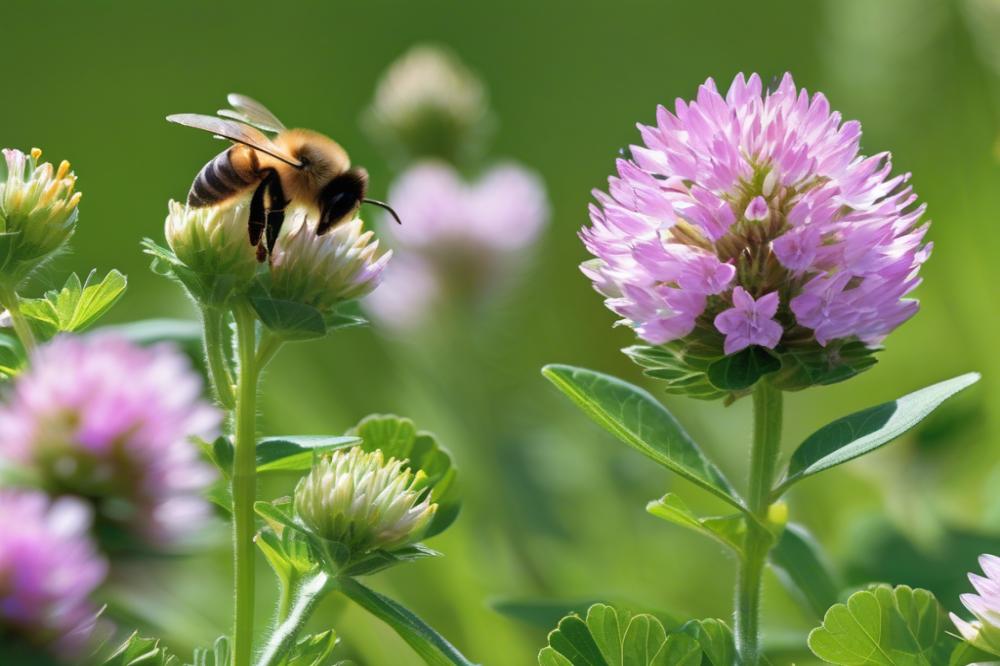
This plant plays a vital role in supporting local ecosystems. When bees visit clover plants, they help with pollination, which is important for farming. The health of crops depends significantly on these busy insects. Moreover, clover’s widespread presence on the American Prairie provides an excellent habitat for various species. Without it, the delicate balance of nature would be disrupted.
Common Uses in American Cuisine

Clover Honey is cherished in many culinary applications. It adds sweetness to tea, complements cheeses, and enhances baked goods. Many people enjoy using it as a natural alternative to refined sugars in their recipes. Its mild flavor makes it extremely versatile. You can drizzle it over pancakes or mix it into salad dressings. This honey also finds its way into marinades and glazes, enriching the taste of meats and vegetables.
Importance of bees in Honey Production
Bees are essential for the entire honey-making process. Without them, clover flowers would not produce nectar, which is the key ingredient for honey. They work tirelessly, collecting nectar and then transforming it into sweet honey within their hives. This process showcases their hard work and commitment to sustainability. By supporting local hive populations, communities contribute to both agriculture and health benefits. In turn, this ensures a steady supply of delicious local honey for everyone to enjoy.
Clover Honey Characteristics
Description of flavor and sweetness
Distinctively sweet, clover honey offers a mild flavor that appeals to many. This natural sweetener has a sugary profile with hints of floral notes, making it versatile in numerous culinary applications. Many people enjoy its gentle taste, which doesn’t overpower other ingredients in dishes or beverages. The sweetness has a smooth quality that invites further exploration in recipes and daily use. Sipped in tea or spread on toast, its delicate flavor enhances rather than masks.
Color and texture variations
In terms of color, clover honey typically ranges from light amber to golden hues. Depending on the specific floral sources and environmental conditions, variations exist. Texture often leans toward a thick, creamy consistency, but it can also be runnier based on seasonal temperatures. Seasonal changes in bees’ activities also influence these textures, making each jar potentially different. This could add to the charm of purchasing local honey, as each batch might reflect the unique characteristics of the area where it was produced.
Comparison to other types of honey
When compared to other honeys, clover honey stands out for its gentle flavor. Some honeys can be overwhelmingly rich, while this variety is known for its subtlety. Other types may have pronounced herbal or fruity notes that can dominate dishes. Clover honey, however, finds a nice balance. It’s often chosen by those who prefer to enhance recipes without altering the original taste significantly. Besides that, its health benefits, like being an excellent source of antioxidants, make it a popular option over more robust or intense honey varieties. Understanding these differences can help consumers make better choices for their palates and health needs.
Health Benefits of Clover Honey
Nutritional Profile and Antioxidants
Clover honey is more than just a sweet addition to your tea. It carries a variety of nutrients that can positively affect your health. This natural sweetener is rich in essential vitamins and minerals. These include vitamin B6, calcium, and potassium. Antioxidants are another key component. They help combat oxidative stress in the body, promoting overall wellness. With its floral source being the clover plant, bees produce this delightful concoction through their diligent efforts in pollination.
Antimicrobial Properties
Research has shown that this type of honey possesses antimicrobial qualities. These properties help fight against certain bacteria and fungi. Using local honey may be particularly beneficial due to its freshness. It offers a natural way to support your body’s defenses against infections. Including this honey in your daily diet can be a simple choice to bolster your health.
Role in Boosting Immunity and Energy
Regularly consuming clover honey might boost your immune system. Its natural sugars provide a quick source of energy. Many people turn to this sweet treat for an energy boost during an afternoon slump. With its culinary uses, it can be enjoyed in various forms—drizzled over yogurt or blended into smoothies. Incorporating this honey into meals not only enhances flavor but also supports your body in staying alert and energized throughout the day.
Clover Honey and Agriculture
Role of Clover in Agriculture and Pollination
Clover plays a critical role in agriculture. It acts as a vital floral source for many pollinators, particularly bees. These insects rely on clover for food, collecting nectar to create delicious honey. Farmers often plant clover to promote healthy crops. Beyond its benefits for bees, clover improves soil quality by fixing nitrogen. This process enhances plant growth and yields for various crops. As a cover crop, it protects against soil erosion, making it a favorite among sustainable farmers.
Impact on Local Ecosystems and Biodiversity
Local ecosystems thrive where clover grows abundantly. The presence of this plant supports a diverse range of wildlife. Bees are not the only beneficiaries; butterflies and other beneficial insects find nourishment too. This diversity strengthens the web of life, promoting resilience in changing environments. Additionally, clover’s ability to produce blooms throughout the season provides a consistent food source for many creatures. A vibrant ecosystem leads to healthier crops and gardens. The increase in biodiversity ultimately benefits food systems and local communities.
Support for Beekeeping and Local Honey Production
Beekeeping flourishes in regions where clover is prevalent. Beekeepers appreciate the sweet flavor and light color of honey made from this floral source. The unique qualities of clover honey have made it a sought-after natural sweetener. Local honey production also supports regional economies. Many consumers choose to buy honey from nearby farms for its freshness and health benefits. This demand encourages the cultivation of clover and the preservation of bee habitats. With the link between clover and honey production, awareness of bees’ importance in agriculture is growing.
Culinary Uses of Clover Honey
Clover honey is not just a sweet treat; it has a range of culinary applications that make it a favorite among chefs and home cooks alike. This natural sweetener can enhance flavors in many dishes, adding a gentle touch of sweetness. It is perfect for drizzling on pancakes or waffles, transforming a simple breakfast into a delightful meal.
In baking, clover honey works well in both bread and desserts. It offers moisture and a subtle floral taste, which can elevate cookies and cakes. Additionally, it can replace sugar in recipes. Since it’s sweeter than regular table sugar, less may be used to achieve the same level of sweetness.
Pairing clover honey with various beverages is both enjoyable and refreshing. It can lend flavor to tea, providing a soothing experience. Many people enjoy adding it to smoothies for an extra boost of sweetness. Its delicate taste complements fruit juices, making healthy drinks even more appealing.
Consider applying clover honey to savory dishes too. Glazing roasted vegetables or meats with this honey can create a delicious caramelization. The addition of this sweetener not only enhances flavor but also promotes beneficial health properties known to bees. These health benefits may appeal to those seeking alternatives to processed sugars.
Local honey has gained popularity in recent years for its connection to regional agriculture and pollination efforts. Choosing products from nearby hives ensures that consumers support local beekeepers. These beekeepers often value sustainable practices, which can result in better flavors and higher quality honey.
In summary, clover honey serves many culinary purposes. Its versatility ranges from baking to cooking and pairing with beverages. Using this natural sweetener can transform everyday meals into something special while enjoying the benefits of locally sourced ingredients.
Final Thoughts on Clover Honey’s Importance
In summary, clover honey represents much more than just a sweet treat. It reflects the beauty of American Prairie fields and the essential role that bees play in our ecosystem. This golden nectar not only delights the taste buds but also brings multiple health benefits. With its light flavor, it can enhance various foods and beverages, making it a staple in many homes across the country.
People should take time to appreciate local honey varieties. Supporting local beekeepers fosters healthier environments and helps preserve important bee populations. Exploring nearby markets or farms can lead to discovering delicious options while also ensuring that you are contributing to your community. Tasting different local honeys can open your eyes to the variety available in just a few miles.
Sustainability is another critical aspect to consider. Bees are vital for pollination, which affects our food sources. By choosing local honey, consumers can support practices that nurture bee health and protect habitats. Making small choices today can lead to a more sustainable future for our planet.
Lastly, clover honey offers a gentle sweetness that is simply irresistible. It serves as a reminder of nature’s bounty. When we choose to enjoy this natural product, we appreciate the hard work of our buzzing friends. Let’s celebrate this treasure, ensuring that both our health and the environment benefit from our choices.