
The Mediterranean Sting: Italy’s Beekeepers Grapple with drought and Rising Temperatures
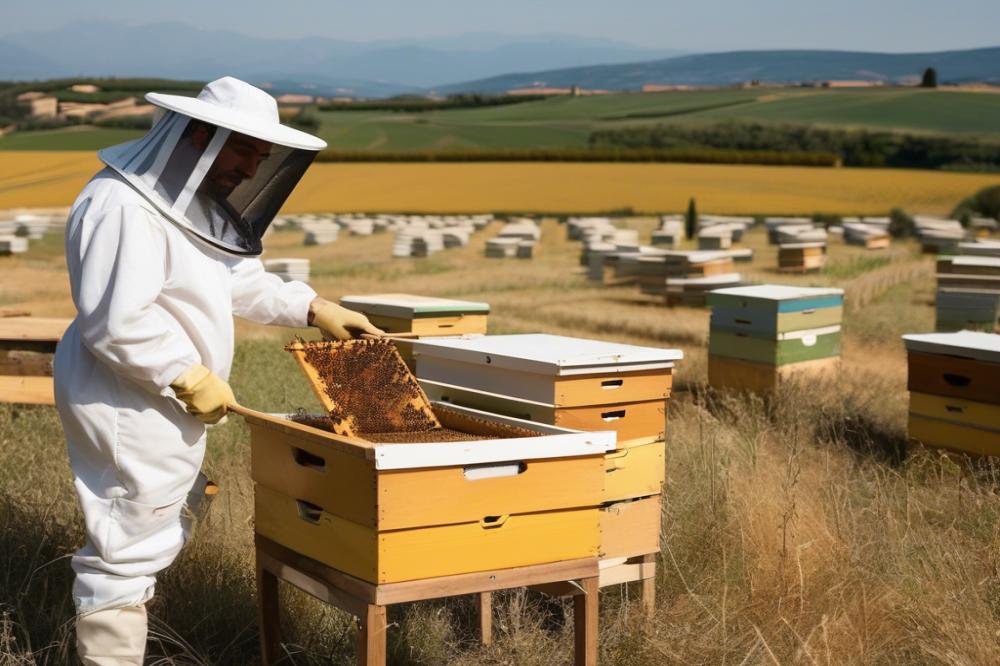
beekeeping holds a special place in Italy‘s rich tapestry of agriculture and culture. The nation’s diverse landscapes are home to countless species of plants, all dependent on pollinators for survival. Honey production in this region is not just a source of income; it is deeply intertwined with traditions passed down through generations. Honey from local flowers paints a picture of Italy’s varied environments, offering flavors that reflect the land. Each jar tells a story of dedication and teamwork between humans and nature.
Yet, the situation is changing. Climate change casts a shadow over this longstanding practice. Rising temperatures and prolonged drought conditions threaten both bees and the delicate ecosystems they support. Pollinators are struggling to adapt to shifting weather patterns, impacting agricultural outcomes. This environmental impact threatens biodiversity, with knock-on effects for food production that many rely on.
This article aims to shed light on the challenges faced by Italy’s beekeepers. Their struggles highlight the broader implications of climate change on local agriculture. By understanding these issues, we can appreciate the urgency to protect these essential creatures and the habitats they depend on.
beekeeping and Climate Change
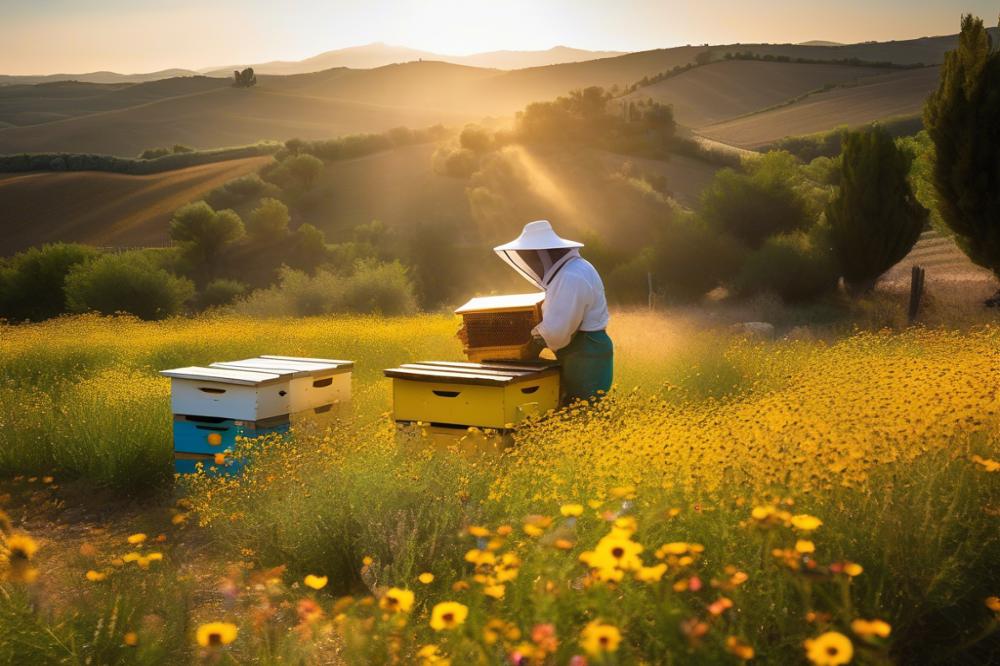
Beekeeping has been a vital part of Italy’s agricultural landscape for centuries. This practice involves maintaining colonies of bees to produce honey and pollinate crops. Historically, these tiny creatures have been essential for the health of ecosystems and food production. They help numerous plants reproduce, making them crucial pollinators in our world.
Climate change poses a significant threat to bee populations and their overall health. As temperatures rise and weather patterns shift, the conditions that bees thrive in also change. Increased heat can lead to stress within bee colonies. This stress diminishes their ability to produce honey and pollinate effectively.
Drought is another pressing issue for beekeepers. Prolonged dry spells affect the availability of flowers, which serve as important food sources for bees. Without enough nectar and pollen, these insects struggle to survive. Meanwhile, rising temperatures exacerbate the problem, forcing bees to adapt to rapidly changing environments.
The environmental impact of these challenges is profound. Many farmers rely on bees for successful crop production. When pollinators suffer, entire agricultural systems are at risk. Additionally, biodiversity can decline, leading to fewer plant species. This cycle threatens the balance that supports healthy ecosystems.
In Italy, beekeepers are already feeling the effects of these climatic changes. Honey production has decreased in some regions due to a lack of flowers. As the threat increases, many are concerned about their livelihoods and the future of their bees. Struggles faced by these individuals illustrate a broader concern about our planet. The interconnectedness of agriculture, climate change, and bee health is clearer than ever.
The Impact of Drought on Bee Populations
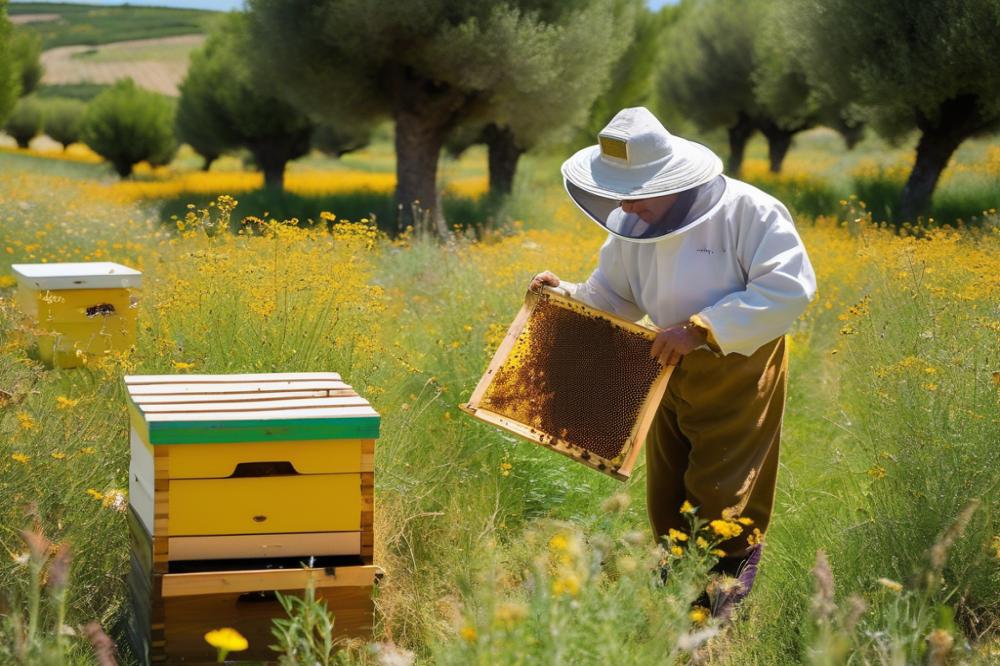
Italy is currently facing severe drought conditions that have resulted from rising temperatures. Long spells without rain have dried up the landscape, putting immense stress on both agriculture and natural ecosystems. This has led to a dramatic decline in floral sources that are vital for pollinators like bees.
Without sufficient flowering plants, bees struggle to find the food they need. Plants that would typically bloom and provide nectar are wilting away. Bees, essential for pollination, are at risk. As they search for resources, their populations may dwindle. This situation is not just a problem for bees; it’s a wider issue for biodiversity.
The lack of floral resources directly impacts honey production. Beekeepers are likely to see a decrease in honey yield this season. With fewer flowers, the nectar flow is diminished, resulting in less honey in the hives. Beekeepers rely on this sweet product to sustain their livelihoods. Without adequate honey production, many may face financial hardships.
Moreover, the effects of climate change amplify these challenges. As temperatures continue to rise, droughts could become more common in Italy. This shift in climate patterns threatens agricultural systems and the diversity of plant life. It further complicates the relationship between beekeepers and the environment they depend on.
Overall, the current drought poses a serious threat to the delicate balance of nature. Beekeepers must adapt to uncertain conditions. They find themselves caught in a struggle to sustain their bees and manage their businesses in an increasingly hostile environment.
Rising Temperatures and its Effects on Beekeeping
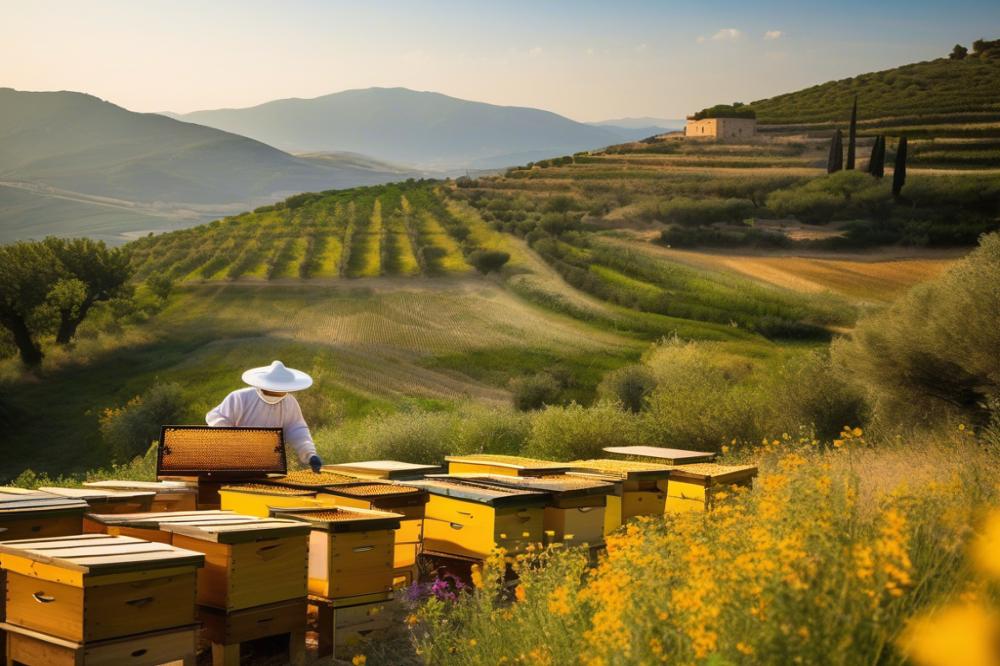
In Italy, rising temperatures are a significant concern for many. The Mediterranean region is experiencing a shift in climate. This change can largely be attributed to climate change, which has resulted in hotter summers and extended droughts. Farmers and beekeepers both notice the effects on their livelihoods. Heatwaves are becoming more frequent, raising alarms throughout the agricultural sector.
Bee behavior is intricately linked to temperature changes. Many species are highly sensitive to their environment. Increased heat causes bees to alter their foraging patterns. They may search for food during the cooler parts of the day. This behavior affects their efficiency and honey production. In addition, when drought strikes, flowers and plants available for pollination dwindle. Fewer flowers mean less food for these vital pollinators.
Colony dynamics are also shifting. Bees experience stress when temperatures soar. This stress can lead to weakened colonies that struggle to thrive. Dead bees are often visible, signaling an underlying issue. Adverse environmental conditions can impact colony populations as well. As one can see, the overall biodiversity of the region is threatened. This raises significant worries for Italy’s ecosystems.
Beekeepers face unique challenges during these heatwaves. They must adapt their practices to protect their hives. Providing shade and water becomes crucial during extreme heat. Pastures that once flourished may now be parched, making forage availability uncertain. Such weather patterns not only threaten bee survival but also affect honey quality and quantity.
The economic toll is also a concern. Many rural communities rely heavily on honey production as a source of income. As colonies decline, so does the financial stability of these areas. Support for farmers and beekeepers is essential as they grapple with these changes. Ensuring viable habitats for bees can also play a vital role in mitigating problems caused by rising temperatures.
Biodiversity and the Role of Pollinators
Bees are vital for agriculture. They help with pollination, which is essential for many crops. Without these tiny workers, food production would decline. Fruits, vegetables, and nuts all rely on bees for their growth. This connection highlights the importance of pollinators in our food systems.
Maintaining biodiversity is crucial for sustainable agriculture. A healthy ecosystem supports various species, including bees. This variety improves soil health, pest control, and resilience against diseases. When different plants and animals flourish, farmers benefit from more productive harvests. With diverse crops, the risk of total failure decreases.
Climate change poses significant risks to biodiversity. Rising temperatures and drought conditions impact habitats. Many plants and animals struggle to adapt to these changes. Beekeepers in Italy face challenges as their hives dwindle. Honey production declines as flowers bloom less frequently due to environmental changes.
Farming practices also suffer from climate-related issues. Pollination rates may drop, causing crop yields to decrease. The reduction in pollinators directly affects food supplies. Consequently, farmers might see lower profits and loss of variety in their produce. Understanding these connections is vital for addressing the impacts of climate change on agriculture.
Climate change’s impact is not just about temperatures. Changes in weather patterns contribute to the challenges beekeepers face. Unpredictable conditions can lead to either feast or famine. Some regions may experience excessive rainfall while others suffer drought. This fluctuation complicates the already delicate balance of nature.
Bees contribute significantly to the food we eat. Without them, ecosystems can collapse, affecting both wildlife and human populations. Protecting these pollinators is essential for the future of agriculture. Beekeepers are on the front lines, witnessing these changes firsthand. Their work supports not just honey production but the broader food system.
Adaptation Strategies for Italian Beekeepers
Beekeepers in Italy are facing pressing challenges due to climate change. Drought and rising temperatures disrupt normal patterns, affecting honey production and pollinators’ health. Many beekeepers have begun changing their methods in response to these conditions. Adjustments range from relocating hives to finding new floral sources and enhancing habitat diversity.
Current Practices
Moving hives to higher altitudes or cooler regions is a common strategy. This helps to protect bees from extreme heat, as temperatures become increasingly unpredictable. Some beekeepers have also switched to more drought-resistant plant species to support their colonies. By diversifying the flora surrounding hives, they can improve food sources for bees, crucial during dry spells.
Innovative Techniques
Innovation is key when it comes to enhancing bee resilience. One emerging technique involves creating artificial watering stations. These help provide moisture to bees, especially during prolonged dry periods. Additionally, some beekeepers are utilizing technology for better hive monitoring. This includes temperature sensors and humidity controls to manage the environment inside the hives more effectively.
Support from Government and Organizations
Support from governmental bodies and agricultural organizations plays a significant role. Many programs focus on educating beekeepers about adaptive strategies amid the changing climate. Financial assistance is also available for those looking to invest in new technologies. Workshops and training sessions help spread awareness about the environmental impact of climate change on biodiversity and bee populations.
The Environmental Impact of Beekeeping Practices
In Italy, a delicate balance exists between sustainable practices and the need for environmental conservation. Beekeepers play a crucial role in maintaining biodiversity, but they face numerous hurdles. Drought and rising temperatures threaten honey production, impacting not just the bees, but also the entire ecosystem.
One primary challenge is the use of pesticides in agriculture. Many farmers apply chemicals to protect their crops. However, these substances can harm pollinators, which are vital for fruit and vegetable growth. Bees are particularly sensitive to these toxins. When they encounter them, their populations can decline sharply, affecting honey yields and crop production.
Loss of natural habitats also poses significant risks. Urbanization and land conversion reduce the areas where bees can thrive. Without these spaces, pollinators struggle to find food and shelter. This decline in habitat can lead to a drop in biodiversity, further threatening not just bees, but various organisms in the environment.
However, there is potential for beekeeping to foster positive outcomes for local environments. Beekeepers often plant flowers to attract bees, enhancing ecosystems. This practice can create green spaces that support various species. Encouraging pollinator-friendly habitats can greatly benefit the surrounding wildlife.
Climate change adds another layer of complexity to this issue. As temperatures rise, the timing of flowers blooming can shift. Bees may emerge too early or too late, creating mismatches in their life cycles and food sources. Beekeepers must adapt to these changes to protect their hives and ensure the stability of honey production.
Through responsible practices and a focus on habitat preservation, beekeepers can mitigate some of these challenges. Collaborative efforts with farmers and environmental groups may help create a more supportive landscape for pollinators. Together, they can work towards a sustainable future that benefits both agriculture and nature.
Final Thoughts
In summary, the article highlights the heavy toll that drought and rising temperatures are taking on Italy’s bee populations. Beekeepers are facing a dual challenge of maintaining their hives while grappling with unpredictable weather conditions. These environmental stresses affect honey production and, importantly, the health of the ecosystems reliant on bees for pollination. With fewer flowers and deteriorating habitats, both bees and beekeepers are at risk.
Looking ahead, the future of beekeeping in Italy may depend on various factors. If climate change continues unchecked, it could push many of these artisans to their limits. Adopting sustainable practices will be essential for the long-term survival of bee species and the communities that depend on them. Innovative approaches to farming that prioritize biodiversity could help restore balance in nature.
Now is a critical time to support Italian beekeepers. Engaging in local initiatives or simply purchasing honey from sustainable sources can make a difference. Educating ourselves and others about the needs of bees will foster awareness and inspire action. Every choice we make contributes to a healthier environment. Let’s take steps together to safeguard both the bees and those who care for them.