

Introduction
Bees play a crucial role in New Zealand’s environment and economy. These tiny insects are key players in pollination, helping plants reproduce and thrive. They directly affect agriculture, boosting the yields of many crops. Without bees, our food supply would diminish dramatically. Their contribution to biodiversity cannot be overstated, as the health of many ecosystems relies on their activity.
As the world changes, so do the challenges facing beekeeping. beekeepingworld.online/buzzing-back-how-germany-s-beekeepers-are-innovating-in-the-face-of-climate-change”>climate change introduces new obstacles that threaten bee health and honey production. Unpredictable weather patterns disrupt hive management and the flowering cycles of plants. These alterations can lead to food shortages for bees, further endangering their populations. Beekeepers must navigate these environmental challenges while keeping their colonies healthy and productive.
The response from the beekeeping community has been innovative. Sustainable practices are being implemented to adapt to these changes. Techniques such as improved hive management are essential for maintaining robust bee populations. Keeping bees healthy requires constant vigilance and adaptation to ensure they can survive in a warming world. Bees are vital, and protecting them is imperative for our agricultural systems and natural habitats.
Understanding New Zealand bees
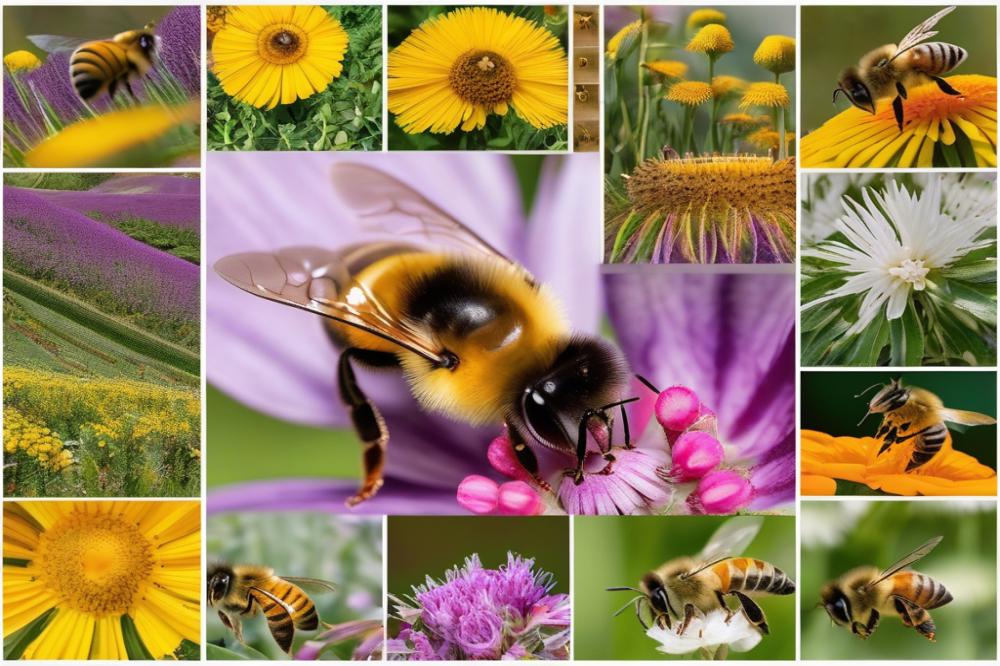
Among the many wonders of New Zealand’s ecosystems, the local bees stand out. A few species are endemic, meaning they are found nowhere else on Earth. These unique bees play critical roles in pollination, helping to maintain biodiversity in both wild and cultivated environments. From native flowers to the crops of farmers, their contributions support various plants throughout the country.
In the context of agriculture, bees are essential for honey production. Beekeepers work diligently to manage hives, ensuring a steady supply of this golden nectar. The art and science of hive management come into play here. Farmers rely on these pollinators to boost the yields of their fruits, vegetables, and nuts. Without adequate bee activity, many crops would suffer. Many people may not realize that the food we eat is linked directly to bee health.
Bee diversity has significant implications for ecosystem health. A variety of bee species leads to a more resilient and stable environment. When different bees pollinate various plants, it enhances genetic diversity. This biodiversity helps our ecosystems withstand environmental challenges, such as changing weather patterns and habitat loss. It is crucial to support sustainable practices among beekeepers to protect these essential insects.
Innovative techniques are being adopted by beekeepers to promote bee health. This includes methods that focus on maintaining colony strength while minimizing stress on the hives. Additionally, many practitioners are embracing organic approaches. These methods can lead to healthier colonies and more robust ecosystems. As challenges mount due to climate change, it is vital to explore new avenues to safeguard our bee populations.
The Impact of Climate Change on New Zealand bees
The rise in global temperatures creates a series of environmental challenges that affect bees. Changing weather patterns disrupt flowering times of plants that bees rely on for food. As seasons shift, flowers may bloom earlier or later than usual, making it difficult for bees to find the necessary pollen. Extreme weather events also damage habitats where bees thrive. Floods and droughts not only destroy vegetation but can also threaten bee populations and their hives.
Temperature fluctuations alter bee behavior significantly. In warmer weather, for instance, bees may become more active and aggressive. Hive management becomes crucial because temperature extremes can stress bees, impacting their health. Beekeepers constantly adapt their strategies to maintain hive strength. Innovative techniques are emerging, such as creating insulated hives or offering special diets. These methods aim to keep bee populations stable during challenging conditions.
Pollination is vital for agricultural productivity, and bees play an essential role in this process. Many crops depend on bees to produce fruit and seeds. If bee populations decline, farmers face reduced yields, affecting local food supplies. Honey production could also suffer, resulting in reduced income for beekeepers. Biodiversity hangs in the balance as well. We risk losing plant species that depend on bee pollination, which further destabilizes the ecosystem.
Healthy bees contribute to thriving agriculture and sustainable practices. Beekeepers are now prioritizing bee health by monitoring threats like diseases and pests. The need for resilience in the face of climate change highlights the importance of protecting these vital insects. Changes at a local level can lead to significant impacts over time, fostering a healthier environment for both bees and crops.
Innovative Beekeeping Responses
Beekeeping in New Zealand faces many issues due to climate change. Farmers and beekeepers are feeling the pressure like never before. Sustainable practices become a lifeline for many trying to adapt. These practices focus on achieving better bee health and maintaining pollination levels across the landscape.
Sustainable practices in beekeeping to combat climate change
One approach involves reducing chemical use in hives. Organic methods can lead to healthier bees and prevent environmental damage. Another strategy is creating habitats that support biodiversity. Planting more native flowers encourages a rich ecosystem, offering forage for bees. This shift not only benefits beekeepers but also the entire agricultural community.
Innovative techniques for hive management and bee health
Beekeepers are embracing technology to enhance hive management. Smart hives now feature sensors that monitor temperature and humidity. These innovations help in maintaining the ideal conditions for bee survival. Additionally, genetic research is uncovering bee strains suited for warmer climates. Adaptations like these are vital in safeguarding the future of honey production.
Case studies of successful beekeeping adaptations in New Zealand
In the Canterbury region, one beekeeper shifted to mobile hives. This approach allows for relocation to better forage areas, particularly during seasonal shifts. Another case in Wellington saw a co-op of beekeepers sharing resources and knowledge. This collaboration has resulted in improved hive health and resilience against pests. Such examples showcase the power of community in responding to environmental challenges.
Innovations such as these highlight a hopeful future in beekeeping. By working together and adopting sustainable methods, beekeepers can protect their vital role in sustaining pollination and supporting local ecosystems.
The Role of Biodiversity in Supporting New Zealand Bees
The health of bees depends greatly on the variety of plants available in their environment. Native flora provides essential resources such as nectar and pollen. These resources directly support bee health. Without diverse plants, bees struggle to thrive. This can lead to decreased hive productivity and lower honey production.
Enhancing biodiversity plays a crucial role in supporting pollinators. Various strategies can be utilized to achieve this goal. Planting more native species in gardens and public spaces fosters a healthy habitat. Additionally, beekeepers can employ innovative techniques to promote the growth of these plants. Special initiatives aimed at pollinator-friendly practices can significantly benefit both agriculture and natural ecosystems.
Community involvement is essential for boosting local biodiversity. Many towns in New Zealand have started community gardens that focus on planting native species. Schools and local groups are also joining the effort, teaching others about the importance of pollination. Government actions have included creating policies that protect natural habitats. Such efforts help sustain the environments where bees flourish.
Hive management practices also influence biodiversity. Beekeepers are becoming more aware of the need for sustainable practices. They are adapting their methods to minimize environmental challenges. This shift not only helps bees but also leads to healthier bees and better honey production. Their actions reflect a growing understanding of the interconnectedness of all living things.
Future Challenges and Opportunities
The world is experiencing notable changes due to climate change. These shifts create ongoing environmental challenges that directly impact bee populations. In New Zealand, factors like rising temperatures and changing weather patterns disrupt the delicate balance bees rely on. As a result, hive management becomes increasingly difficult. Unpredictable conditions can lead to poor pollination and reduced honey production, which in turn affects agriculture and biodiversity.
Amid these daunting challenges, there lies a potential for innovation in beekeeping practices. Beekeepers are exploring innovative techniques to adapt to this new reality. Techniques such as mobile hives are gaining traction. These hives allow beekeepers to shift their colonies to locations with better foraging opportunities. This flexibility can mitigate some negative impacts of a changing climate.
Research and education play critical roles in addressing these issues. Understanding the needs of bee health can lead to more effective sustainable practices. Collaborative efforts between scientists, farmers, and beekeepers are more important than ever. Sharing knowledge fosters a community committed to preserving these vital pollinators. Workshops and training programs help spread awareness about the best methods for managing hives under pressure.
Innovative solutions will be key in the fight for bees’ survival. Encouraging biodiversity within ecosystems can support healthier bee populations. Farmers and city planners can integrate flowers and native plants into their landscapes. Such initiatives promote better foraging opportunities for bees, which helps them thrive. Everyone has a part to play in creating a healthier environment for these essential pollinators.
Final Thoughts on the Future of Our Bees
New Zealand’s bees face numerous pressures that threaten their survival. Climate change is rising as a significant factor, causing shifts in weather patterns and habitat destruction. Pollination, which is crucial for many plants and crops, is at risk. In addition, pests and diseases continue to pose a dangerous threat to bee populations. Each of these challenges contributes to the overall decline of these essential pollinators.
Innovative responses and sustainable practices are necessary to combat these challenges. Beekeeping methods must evolve to adapt to changing conditions. This evolution can include developing new management techniques, improving hive designs, and promoting healthier bee populations. Lessons learned from local and international beekeepers can help guide these efforts. Collaborative approaches can lead to solutions that benefit both bees and the ecosystem.
It’s time for beekeepers and policymakers to take action. Supporting initiatives that focus on bee health and habitat conservation is crucial. Education on sustainable practices can empower both hobbyist and commercial beekeepers. Policies that protect pollinators must become a priority. By working together, society can create a safer environment for bees and secure the future of our food supply.