
Frozen to Flourishing: beekeeping in Canada as Climate Zones Shift
Canada‘s landscape is home to a diverse range of ecosystems. These environments are crucial for the health of bee populations and the vital role they play in agriculture. honey production is more than just creating a sweet treat; it supports the growth of many crops and contributes to the country’s economy. Without pollinators, like bees, our food supply could face significant challenges. As they go from flower to flower, bees help plants reproduce, which leads to fruit and seeds. This natural process is essential for both farmers and consumers.
However, the shifting climate presents new complications for beekeepers and their management practices. climate change is altering temperatures and weather patterns across Canada, creating new climate zones that may not have existed before. These changes affect when flowers bloom and, in turn, impact the availability of resources for bees. Seasonal changes can disrupt the delicate balance that bees rely on for survival. With different conditions emerging, beekeepers must adapt their strategies to maintain healthy hives.
The ramifications of these climate shifts reach beyond just beekeeping. They impact agricultural practices and food production systems across Canada. Sustainable practices in agriculture are more critical than ever. As farmers adjust to new realities, they will need support in managing changes while keeping crops viable. A thriving ecosystem depends on each component working in harmony, and pollinators are at the heart of this ecological balance.
In summary, as climate zones shift, both beekeeping and agriculture face challenges. The journey from frozen landscapes to flourishing fields demands a collective response. Efforts must focus on protecting bee populations and ensuring their survival for future generations.
Beekeeping in Canada: An Overview
History of Beekeeping in Canada
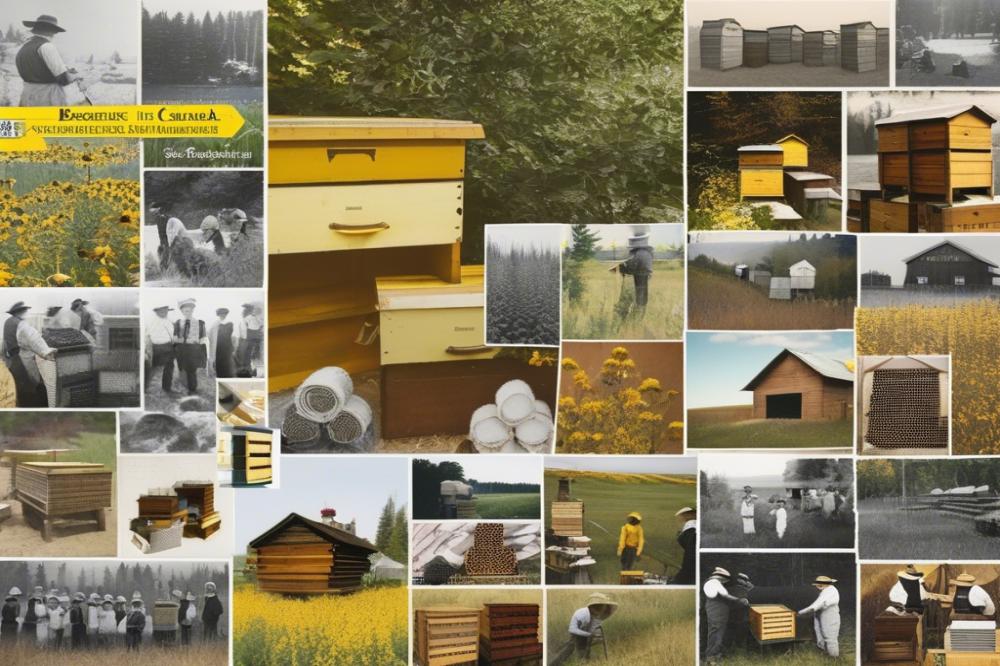
Beekeeping in Canada has a rich history dating back to the 18th century. Early settlers brought honeybees with them to support agriculture. At first, these tiny creatures thrived in the southern regions, where the climate was milder. Over the years, farmers recognized the importance of bees for pollination. honey production became a common practice across various provinces. As time passed, beekeeping grew from a small-scale hobby into a vital agricultural activity. Today, Canada is home to thousands of beekeepers, contributing significantly to the country’s economy.
Types of Bees and Their Role in Honey Production
Several types of bees contribute to honey production in Canada. The most common is the European honeybee. These bees are excellent pollinators and adapt well to different environments. They gather nectar and pollen from various flowering plants. This process significantly improves crop yields. Other bee species, such as bumblebees and solitary bees, also play essential roles. While they are not typically used for hives, they contribute to pollination and ecological balance. In turn, this supports diverse agricultural practices across the country.
Current State of Bee Populations in Canada
Current bee populations face several challenges due to shifting climate zones. Seasonal changes affect flowering patterns and food sources. Increased pesticide usage also impacts bee health negatively. Beekeepers are observing alarming declines in hive populations. Some report losses of up to 30% in a single year. This decline poses risks to honey production and agricultural output. However, there are emerging sustainable practices that aim to protect these critical pollinators. Initiatives focus on healthier hive management and reducing environmental stressors. These efforts are crucial in attempts to stabilize bee populations and support effective honey production.
Impact of climate change on Climate Zones
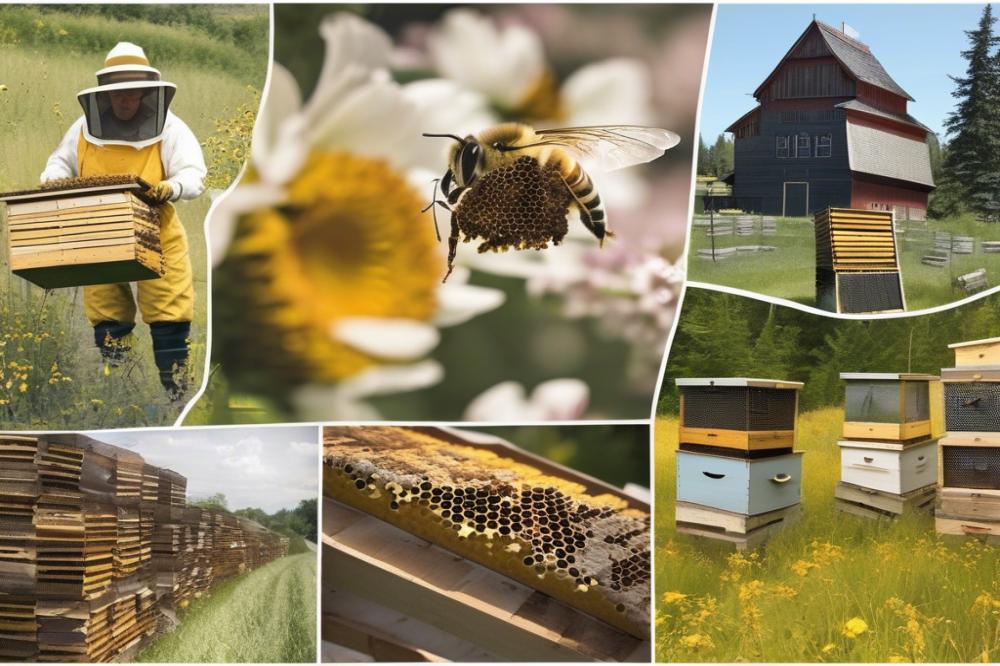
Canada is home to diverse climate zones. These areas determine what plants grow, what animals thrive, and how agricultural practices develop. Climate zones are defined by patterns in temperature, precipitation, and seasonal changes. They play a crucial role in agriculture, influencing everything from crop selection to pest management.
Shifts in climate zones are already seen across the country. Warmer temperatures can extend growing seasons, but they also bring unpredictability. This makes honey production more challenging for some producers. Changes in flowering times affect bee populations, as pollinators rely on specific plants for food. An imbalance can occur that disrupts hive management and ecological balance.
Regions such as the Prairies see different outcomes than British Columbia or the Maritimes. Each province experiences unique changes, from droughts to increased rainfall. Farmers may find they need to adopt more sustainable practices to adapt. In areas where agriculture flourished, crop failures and pest invasions can create real challenges.
Moreover, the east coast has experienced rising temperatures, impacting seasonal changes significantly. Warmer weather allows new crops to thrive but can also invite invasive species. Such shifts can lead to competition for resources, affecting both farmers and pollinators. Understanding and adjusting to these changes is vital for successful agricultural impact.
Thus, beekeepers face the brunt of these shifts. As temperatures rise, managing hives becomes more difficult. Bees may start emerging from their hives too early or too late, disrupting their pollination duties. This could diminish honey production and affect local ecosystems. Adaptability will be key for both farmers and those who rely on healthy bee populations.
Challenges for Beekeepers Amid Climate Change
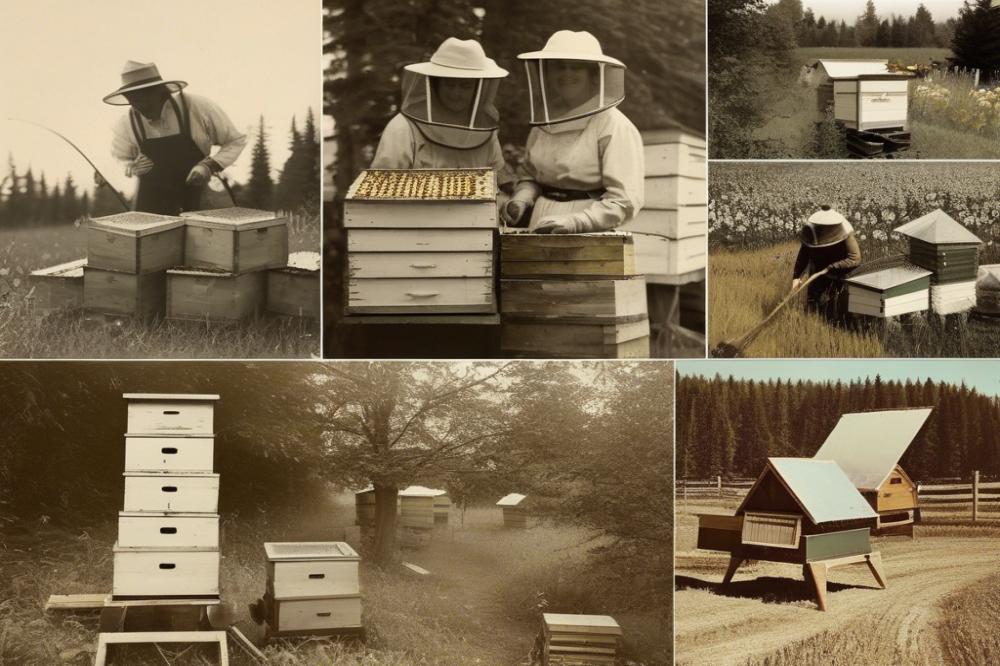
Shifting climate zones present various challenges for beekeepers in Canada. As seasonal changes become more unpredictable, managing hives requires greater adaptability. Traditional schedules for hive management may no longer apply. Beekeepers need to monitor conditions closely, adjusting practices to ensure the health of their colonies. Extreme weather events disrupt the natural rhythm of the seasons, creating uncertainty for pollinators.
Bee populations face significant threats due to climate change. Changes in temperature and rainfall patterns affect the availability of flowers. This loss of forage can be devastating, leading to malnutrition among bees. Additionally, habitat loss due to urban development makes the situation worse. Pesticides and other pollutants compound the challenges that bees encounter in their environments. Without these vital pollinators, local agriculture could suffer greatly.
The economic implications of decreased honey production are substantial. Regions reliant on agricultural products depend on healthy bee populations for crop yields. When hives become weaker or fewer in number, honey production drops. Farmers must find ways to adapt to these challenges, perhaps turning to sustainable practices to protect pollinators. The interconnectedness of ecosystems highlights the need for balance in agricultural practices.
As these challenges persist, the future of beekeeping in Canada remains uncertain. Making room for ecological balance plays a crucial role in sustaining honey production. Innovative solutions and community efforts are necessary as this situation evolves. Careful attention to local conditions and bee health can help mitigate some negative impacts. Ultimately, understanding the landscape of these challenges is essential for future generations of beekeepers and farmers alike.
Sustainable Practices in Beekeeping
Sustainable methods play a crucial role in the future of honey production in Canada. As climate zones shift, adopting these practices becomes increasingly vital. They help maintain healthy bee populations and ensure the continued availability of these important pollinators.
Strategies for Adapting to Changing Climate Conditions
Farmers and hobbyists can implement various strategies to adapt to seasonal changes. Regular hive management is one method that can boost resilience. Checking the hives frequently allows beekeepers to spot potential problems early.
Another technique is selecting bee breeds that thrive in warmer temperatures. These bees may be better suited to changing environmental conditions. Additionally, providing bees with diverse forage sources can enhance their nutrition and overall health.
Role of Beekeeping in Supporting Ecological Balance and Biodiversity
Pollinators are essential for many crops. Their presence contributes significantly to agricultural impact and ecological balance. By supporting bee populations, we can improve crop yields and the variety of food available to communities.
Healthy pollinator populations also help maintain biodiversity in natural ecosystems. Without bees, many plants would struggle to reproduce, which could lead to declines in other wildlife. Therefore, sustainable approaches are not just beneficial for beekeepers but are important for the environment as a whole.
Future of Beekeeping in a Changing Climate
As climate zones in Canada continue to shift, predictions regarding honey production are becoming a critical discussion point. Warmer temperatures may allow bee populations to thrive in regions that were once too cold. While this can lead to increased yields, it may also introduce challenges. Unpredictable weather patterns can lead to shorter blooming periods for flowers and an unpredictable food source for bees. Farmers should keep a close eye on these changes, as they could significantly affect agricultural impact.
Opportunities for Innovation in Hive Management
Innovation is key as beekeepers confront new challenges. Advanced hive management techniques are emerging, utilizing technology to monitor health and productivity. These innovations not only assist in tracking bee populations but also help maintain an ecological balance. Tools like hive sensors can alert beekeepers to temperature changes or signs of stress among the colonies. As operations become more sophisticated, sustainable practices will play an increasingly important role in keeping bee populations robust and healthy.
Community Initiatives and Support for Beekeepers
Support from the community can make a significant difference for beekeepers adapting to changing environments. Local organizations are forming to promote sustainable practices and educate the public about the importance of pollinators. These grassroots movements encourage involvement through workshops and events. Many communities are recognizing the value of urban beekeeping, which can boost local honey production and community health. Seasonal changes may shift the plants that need pollination, and involving citizens can build stronger bonds while helping bees thrive.
Final Thoughts on a Sweet Future
Throughout this article, we have explored the dynamic relationship between climate change and the art of beekeeping in Canada. Changes in weather patterns impact honey production and the behaviors of these vital pollinators. As temperatures rise and seasons shift, adapting practices becomes essential for both bees and the environment.
Now is the time to embrace sustainable practices. Every individual can contribute by supporting local beekeepers and choosing organic products. Communities can also band together to create pollinator-friendly spaces. Planting native flowers and reducing pesticide use helps every bee flourish.
Beyond their role in producing honey, these industrious insects support our food resources and enhance biodiversity. They pollinate many crops, ensuring a diverse selection of fruits and vegetables. A healthy bee population contributes to resilient ecosystems, making it crucial for everyone to recognize their importance.
Ultimately, fostering awareness about these connections encourages responsible actions. By prioritizing sustainability, we can safeguard our environment for future generations. It is a collective responsibility to nurture both bees and the ecosystems they sustain. Together, we can pave the way to a thriving future, rich with life and flavor.