
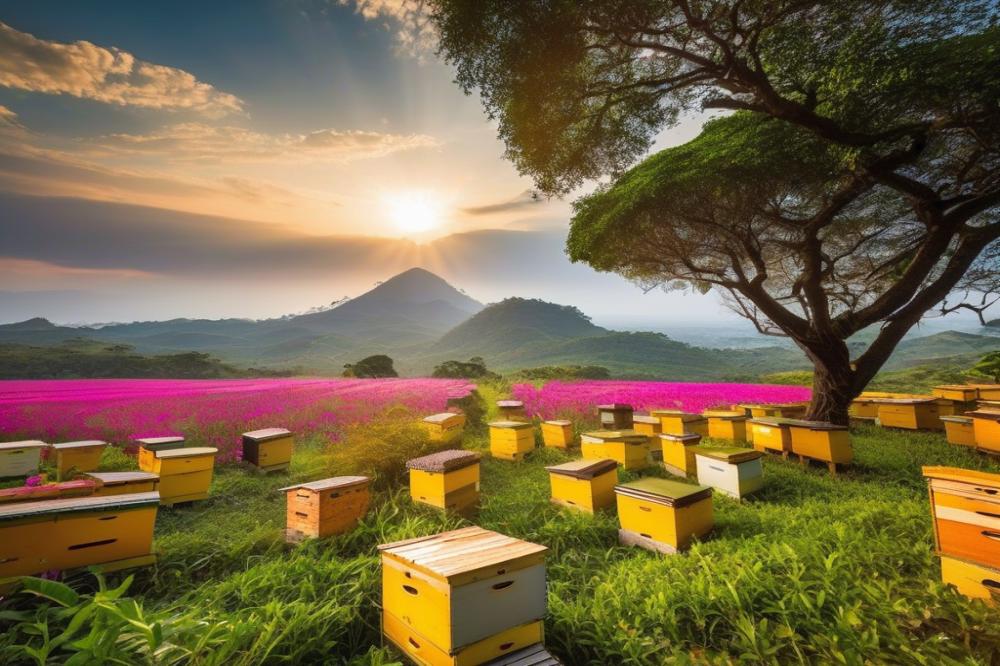
The Disappearing Hive: climate change’s Effect on beekeeping in Brazil
Overview of beekeeping in Brazil and Its Significance
Beekeeping holds a vital place in Brazil’s agricultural landscape. honey production contributes not just to the economy but also to the country’s rich biodiversity. The plethora of flowers thriving in Brazil relies heavily on pollinators. These tiny creatures, primarily bees, play a key role in the reproduction of many crops. Effective pollination aids in yielding fruits, vegetables, and nuts that nourish populations. Moreover, beekeeping practices contribute to an understanding of sustainable agriculture, which is essential for long-term ecological balance.
climate change and Its Global Impact
The global phenomenon of climate change poses significant threats to various ecosystems. Rapid temperature shifts and unpredictable weather patterns disrupt habitats. As climate varies, so do the flowering patterns of plants that bees depend on for food. This disruption can lead to hive collapse, a serious concern for beekeepers. In Brazil, changes in climate could reduce honey production, affecting livelihoods and local economies.
Connection to Honey Production and Pollinators’ Role in Agriculture
Understanding the connection between pollinators and agriculture reveals the urgency of the situation. As crops suffer from reduced pollination, farmers may face declining yields. This scenario creates a ripple effect, influencing food availability. Ecosystem services offered by pollinators go beyond mere honey production; they sustain life itself. Sustainable practices in apiary management become more crucial as climate change continues to escalate. Efforts to preserve these essential creatures can bolster both honey production and the agricultural sector in Brazil.
The Importance of Beekeeping in Brazil

Historical Context of Beekeeping in Brazil
Beekeeping in Brazil has roots that trace back to the arrival of the Portuguese in the 16th century. Initially, colonizers brought honeybees from Europe to aid in honey production. Over time, these pollinators expanded their role within local ecosystems. They became vital for both agriculture and the natural environment. Nowadays, Brazil boasts a diverse array of bee species, including native stingless bees. Traditional beekeeping has adapted and evolved, reflecting both global influences and indigenous practices.
Economic Benefits: Honey Production and Pollination Services
Honey production serves as a significant economic driver in Brazil. The country ranks among the top producers of honey worldwide. Brazilian honey is known for its rich flavors and diversity. Farmers often depend on pollinators for a variety of crops. Many fruits, vegetables, and nuts rely on bees for successful growth. The pollination services provided by bees enhance crop yields and contribute to sustainable agricultural practices. These ecosystem services support local economies and promote biodiversity.
Cultural Significance and Traditional Practices in Brazilian Beekeeping
Beekeeping also holds cultural importance in Brazil. Indigenous communities have long recognized the value of honey and beeswax. Their traditions emphasize harmony with nature and respect for these creatures. Many Brazilian families have engaged in beekeeping for generations. This connection reinforces a sense of community and identity. In certain regions, local festivals celebrate the arrival of honey harvest season. Such events showcase traditional practices, from harvesting techniques to honey tasting. Sustainable management of apiaries is essential for preserving this cultural heritage. As environmental impact grows, these practices become crucial for the future of both industry and tradition.
Climate Change and Its Environmental Impact
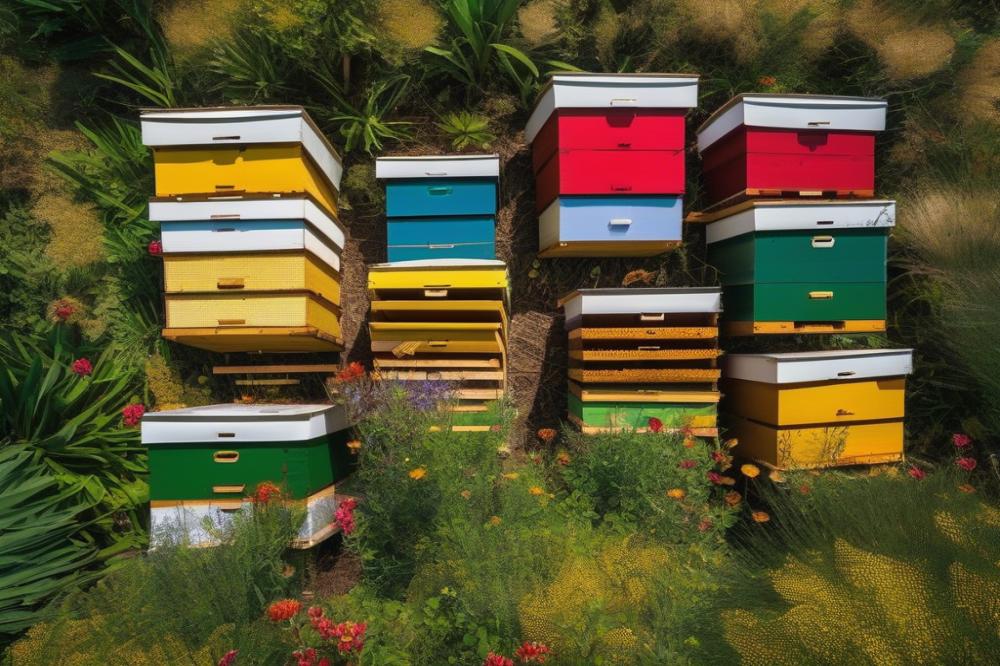
Climate change affects ecosystems worldwide. Rising temperatures and shifting weather patterns contribute to significant changes in nature. These changes challenge wildlife and plants, disrupting their delicate relationships. In Brazil, the impact is particularly severe, altering local climates in notable ways.
Temperature shifts in Brazil are alarming. The country has experienced warmer days, while nights can be surprisingly cooler. These changes disrupt natural cycles. Rainfall patterns have also become erratic. Some regions now face droughts, while others suffer from heavy downpours. Such inconsistencies create challenges for agriculture, pushing farmers to adapt their techniques.
The consequences on biodiversity are profound. Many species struggle to survive as their habitats change. Pollinators such as bees are particularly vulnerable to these shifts. As their environments become less stable, hives face an increased risk of collapse. The decline of these crucial species threatens not only honey production but also the broader ecosystem services they provide.
Healthy ecosystems depend on diverse plant and animal life. When pollinators decline, plants also suffer. This could lead to fewer crops and produce, which affects local communities that rely on agriculture. Sustainable practices in farming can help mitigate some of these issues, but they require immediate and concerted efforts.
Apiary management is becoming more complex in this changing climate. Beekeepers find it challenging to maintain healthy colonies amid fluctuating weather conditions. Adapting to these changes is essential for the future of honey production and for supporting overall biodiversity in Brazil.
Hive Collapse: Causes and Effects
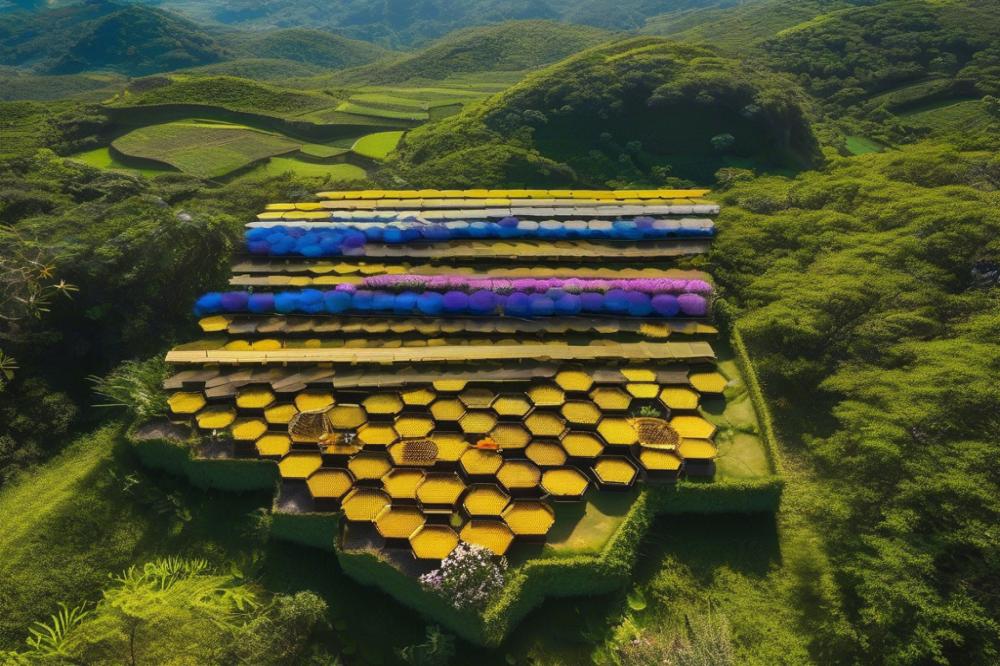
Colony Collapse Disorder (CCD) is a significant issue affecting bees worldwide. It refers to a phenomenon where the majority of worker bees in a colony suddenly disappear. This mysterious disorder is especially relevant within the context of Brazil, where bee populations are crucial for both biodiversity and agricultural productivity.
Several factors contribute to the hive collapse seen in Brazilian apiaries. The use of pesticides in farming is one primary concern. Chemicals designed to kill pests can also harm pollinators like bees. Moreover, habitat loss plays a significant role. As cities expand and forests are cleared for agriculture, bees lose their natural habitats. This can lead to reduced food sources and nesting sites, making survival difficult.
Climate change adds another layer of complexity to this situation. Rising temperatures and erratic weather patterns disrupt the seasonal cycles that bees depend on for foraging and reproduction. The changing environment strains bee colonies, making them more vulnerable to diseases and pests.
The impact of hive collapse extends beyond just the bees. Agriculture suffers significantly when pollinators decline. Many crops rely on bees for pollination. Without them, farmers may harvest less produce, which can affect food supply chains. Additionally, honey production takes a hit. Brazil is known for its diverse honey varieties, and a decrease in bee populations leads to lower honey yields.
Moreover, the loss of pollinators threatens the entire ecosystem. Bees contribute to vital ecosystem services that help maintain biodiversity. A healthy environment supports flora and fauna, which in turn ensures the availability of food and natural resources for future generations.
Encouraging sustainable practices in farming and land management may help mitigate these issues. By promoting bee-friendly habits, such as reduced pesticide use and preserving natural habitats, communities can support healthier colonies. Better apiary management also plays a critical role in sustaining the delicate balance of Brazil’s ecosystems.
Strategies for Sustainable Beekeeping
Overview of Sustainable Practices
Sustainable practices in beekeeping are crucial for protecting honey production in Brazil. Many beekeepers are adopting methods that promote the health of their hives. These practices often include organic treatments for pests and diseases. Natural feeds can also be offered to supplement what bees gather from their environment. Focusing on the natural behavior of bees helps reduce stress on colonies. By creating a more supportive atmosphere for pollinators, beekeepers can help counteract the effects of hive collapse.
Adaptive Apiary Management
Adaptive apiary management plays a vital role in response to climate change. Changes in weather patterns can affect bee foraging and hive productivity. Beekeepers must stay informed about local climate trends. Adjusting hive locations and types can make a big difference. For instance, moving hives to areas with abundant flowers can improve access to food sources. By adapting techniques regularly, beekeepers can better manage the challenges faced by their colonies.
Encouraging Biodiversity and Protecting Pollinator Habitats
Encouraging biodiversity is essential for maintaining healthy ecosystems. Protecting pollinator habitats helps sustain both bees and other species that rely on these environments. Planting a variety of native flowers can provide bees with stable food sources. Establishing bee gardens is one way communities can contribute. Reducing pesticide use in agriculture is equally critical. Less harmful chemicals lead to better conditions for bees and other pollinators. Overall, these initiatives create a more resilient agriculture system that benefits everyone.
The Future of Beekeeping in Brazil
Beekeepers in Brazil face numerous challenges due to climate change. The increasing variability in temperature affects honey production. Droughts and heavy rainfall disrupt the natural foraging patterns of bees. As a result, there is a risk of hive collapse as food sources become unreliable. Pollinators struggle to find the necessary plants, which threatens biodiversity.
Current agricultural practices also compound these issues. Many farmers rely heavily on pesticides, further endangering bee populations. These chemicals can contaminate the ecosystem and harm essential insects. Maintaining healthy pollinators is crucial for agricultural success. Without them, crop yields may decline, impacting food supplies.
Potential Solutions and Innovations
Innovative approaches may assist beekeepers in navigating these difficulties. Implementing sustainable practices can create a healthier environment for bees. Planting diverse crops helps attract a variety of pollinators. This can enhance honey production and support biodiversity. Furthermore, training in effective apiary management encourages better hive health and resilience.
Adopting new technologies offers another avenue for improvement. Monitoring systems provide real-time data on hive conditions. This information allows beekeepers to respond swiftly to changes. A proactive stance can mitigate risks associated with climate fluctuations. Education and community involvement are key to empowering local beekeeping efforts.
Importance of Policy Changes
Effective policy changes are essential for promoting protections for bees and their habitats. Environmental protection measures can minimize climate impacts on ecosystems. Governments should prioritize sustainable agriculture that supports healthy pollinator populations. Incentives for farmers who use eco-friendly practices can drive positive change. Investing in conservation helps preserve the delicate balance of nature.
Collaboration among beekeepers, farmers, and policymakers can create a brighter future. Creating awareness about the vital role of pollinators can foster community support. Encouraging young people to explore beekeeping might also spark new interest. As Brazil faces climate challenges, solutions will need to be comprehensive and inclusive.
Final Reflections on Beekeeping Challenges in Brazil
The effects of climate change on beekeeping in Brazil are profound. Rising temperatures and changing rainfall patterns threaten the habitats vital for bees. These insects are not just symbols of nature; they play a crucial role in our ecosystems. Without them, many plants struggle to reproduce, which can harm food supplies and biodiversity.
Dramatic shifts in weather have resulted in decreased honey production. This decline affects not only beekeepers but also consumers who rely on this sweet resource. Bees pollinate a significant portion of the crops we eat. Every bite of fruit, vegetable, or nut often depends on their work. This relationship emphasizes the importance of protecting these pollinators as climate patterns continue to shift.
It’s essential to take action. Sustainable practices in agriculture and strict conservation efforts can pave the way for a healthier environment. Supporting local initiatives that focus on biodiversity will help provide safe habitats for bees. Educating communities about the needs of these pollinators is critical for their survival.
Planning for the future means recognizing the fundamental role of bees in our food systems. Without them, agriculture as we know it could face serious challenges. The time to act is now, not just for beekeepers in Brazil, but for everyone who benefits from the bee’s tireless efforts. Together, we can foster a world where bees thrive, ensuring a stable environment and abundant harvests for generations to come.