
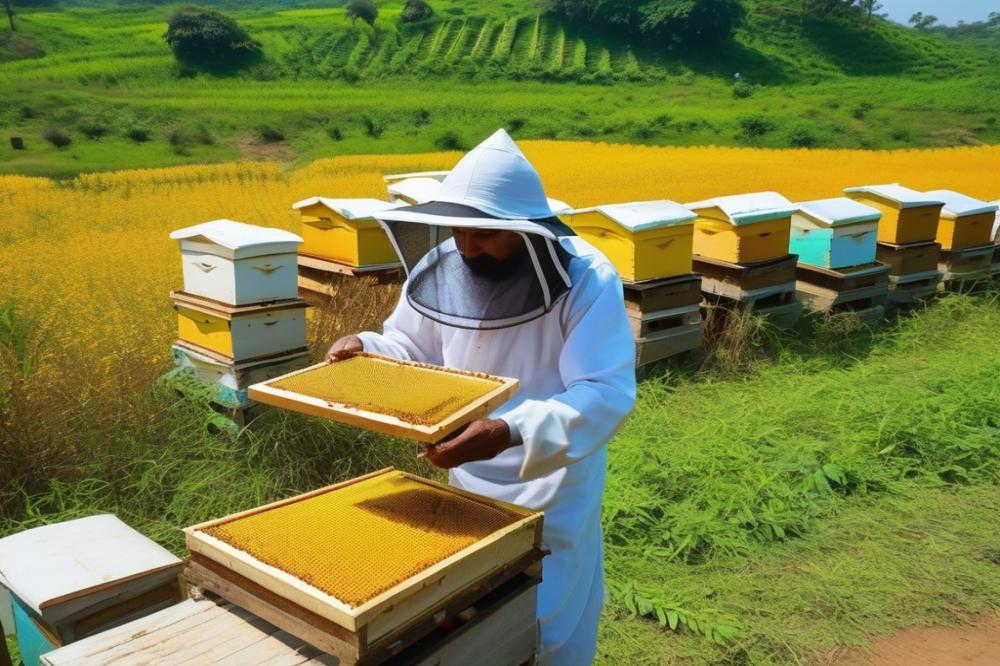
Adapting traditions: How Beekeepers in India Are Combating Climate-Driven Challenges
The Significance of Beekeeping in India
Beekeeping plays a vital role in India’s agricultural landscape. It contributes significantly to honey production and supports the pollination of a wide array of crops. This practice has deep roots in local traditions and is often passed down through generations. Beekeepers are not just producers of honey; they are integral to maintaining the balance of ecosystems. By nurturing these insects, farmers enhance biodiversity and promote sustainability in agriculture.
Overview of Climate Change Impacts on Traditional Practices
Climate Change poses serious challenges to traditional practices. Rising temperatures and erratic weather patterns disrupt flowering cycles and impact bee behavior. Consequently, these changes threaten honey production and the delicate balance within ecosystems. Beekeepers face new hurdles, such as increased pests and diseases that thrive in shifting climates. Many of these seasoned practitioners are struggling to keep up with the evolving dynamics. As weather unpredictability increases, their knowledge alone may not be sufficient to ensure resilience.
Importance of Preserving and Adapting Beekeeping Traditions
Adapting to these challenges is crucial for the survival of beekeeping as a tradition. Innovating within traditional practices can strengthen community resilience and safeguard livelihoods. Emphasizing sustainable methods while honoring age-old techniques is essential. Moreover, supporting local beekeepers becomes increasingly important for food security. Their contributions to agriculture extend beyond honey; they help protect our essential pollinators. The interplay between adaptation and tradition must be maintained. Together, these elements can lead to robust solutions that combat the environmental impacts of our changing world.
Beekeeping and Climate Change
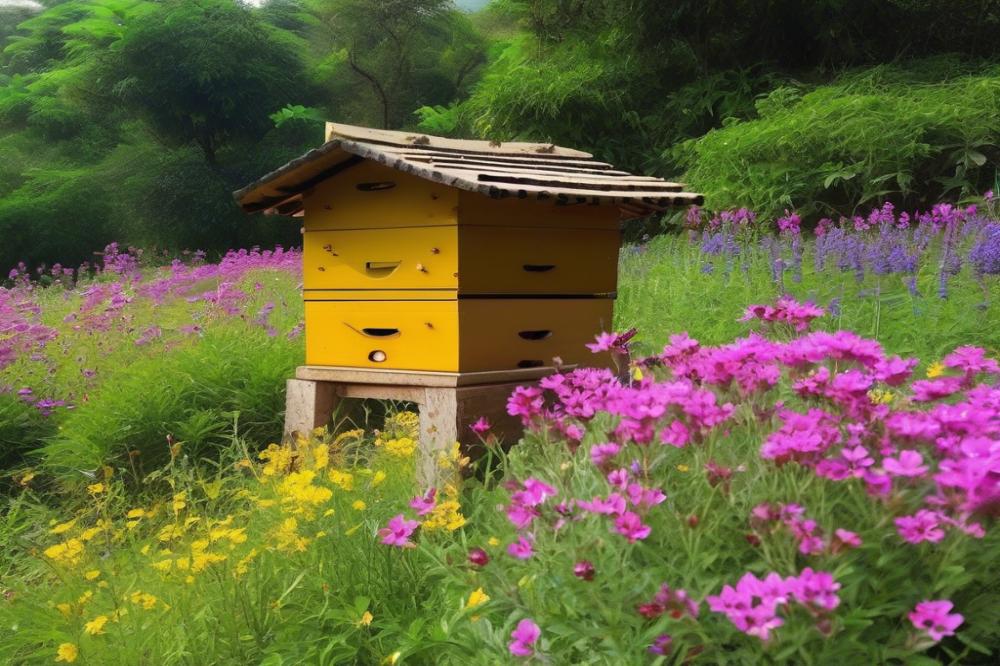
Climate change poses significant challenges for bees and their keepers in India. Rising temperatures disrupt natural cycles. This affects flowering times of plants that provide nectar. Pollinators, crucial for agricultural sustainability, struggle under these shifting conditions.
Honey production is declining in various regions. Lack of food sources means bees cannot thrive. When flowers bloom earlier or later than normal, bees may miss out on vital resources. Local traditions of beekeeping have also been impacted. Many beekeepers rely on predictable patterns in nature, which are now disrupted.
Effects on Honey Production and Pollinator Health
The health of bee colonies is suffering. Diseases spread more easily in warmer weather. Pests are thriving as well, attacking weakened hives. As temperatures rise, flowers may stop blooming as abundantly. This results in lower yields of honey, impacting livelihoods.
Cultivating healthy agricultural environments becomes more challenging. With bees struggling, crop pollination suffers. Farmers notice a reduction in their harvests. Economic stability for many communities is at risk. Therefore, bees are not just pollinators; they are critical to food systems.
Regional Variations in Climate Impact Across India
Effects of climate change vary across different regions of India. In the north, erratic winters lead to confusion among bee populations. In the south, heavy rainfall can wash away beehives. Each region has its own unique challenges and requires tailored responses. Local communities are adapting their practices to meet these hurdles.
In some areas, collaborative efforts are emerging. Beekeepers share knowledge and innovative techniques. This community spirit drives survival strategies. Solutions may include diversifying plants used for nectar or adjusting hive management. Adaptation is vital for resilience in this changing climate. Traditional practices may evolve with these new challenges.
To protect the future of bees, local farmers and beekeepers must work together. By focusing on sustainability, they can mitigate the environmental impact. Awareness and education are pivotal for changing mindsets. Addressing climate-driven challenges will help secure honey production and maintain healthy pollinator populations.
Adaptation of Traditional Practices
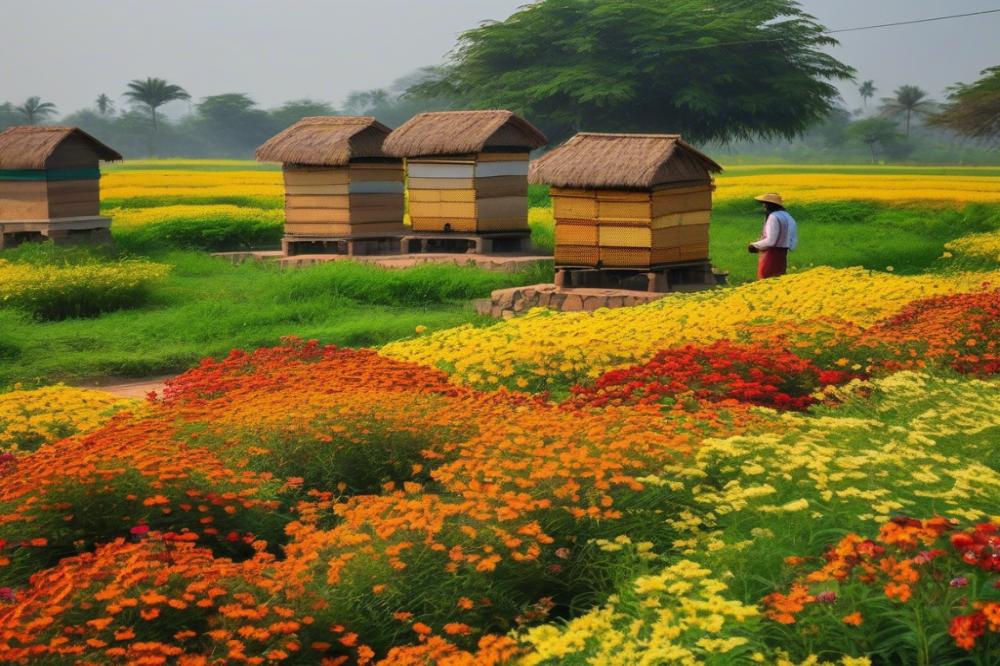
Innovative Techniques Adopted by Indian Beekeepers
Beekeepers in India face numerous challenges due to climate change. High temperatures and erratic rainfall affect honey production. In response, some have turned to innovative techniques. For example, they now use insulated hives that protect bees from extreme weather. Additionally, many farmers have created ‘bee hotels’ to encourage wild pollinators. These small structures provide homes for bees, enhancing local pollination efforts.
Integration of Modern and Traditional Beekeeping Methods
Blending modern science with traditional practices has proven fruitful. Farmers are introducing advanced techniques alongside age-old methods. Using data from weather forecasts helps them anticipate climate impacts. Traditional knowledge gives insight into seasonal changes and bee behaviors. This dual approach allows for greater adaptability and improves sustainability. Communities are learning from one another, sharing their successes.
Role of Local Knowledge in Adaptation Strategies
Local knowledge plays a crucial role in these adaptation strategies. Experienced beekeepers understand their surroundings better than anyone. They know which plants are best for pollinators and when to expect blooms. By listening to each other, they create tailored solutions that fit their unique situations. This wisdom fosters climate resilience and promotes healthy ecosystems. Emphasizing community practices strengthens the bonds among farmers and creates a supportive network. By valuing these traditions, they work towards a sustainable future for agriculture and pollinators alike.
Sustainability and Environmental Impact
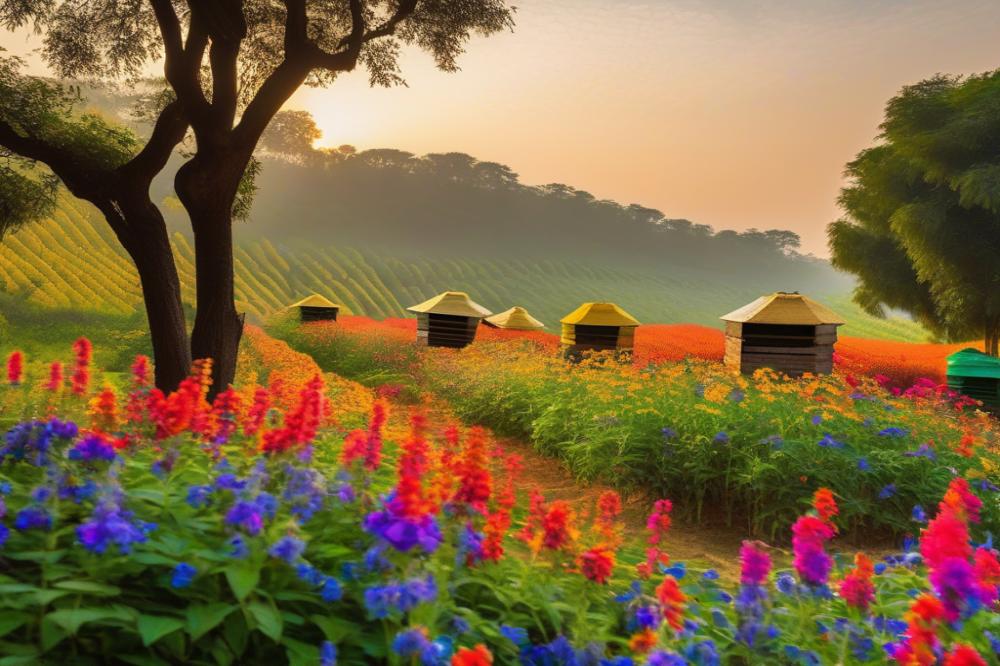
Beekeeping plays a crucial role in sustainable agriculture in India. Farmers and beekeepers are closely linked, working hand in hand to adapt traditions that support both honey production and crop yields. The presence of bees as pollinators enhances the quality and quantity of fruits, vegetables, and other plants. This reliance on natural processes helps maintain biodiversity, which is under threat from climate changes.
This relationship between pollinators and agriculture is vital. Pollination boosts the growth of a wide variety of crops, ensuring a stable food supply. Additionally, diverse plants promote healthy ecosystems. When different species grow together, they create a balanced environment that supports various forms of wildlife. These interactions contribute significantly to environmental health.
Communities are increasingly adopting practices that strengthen this connection. Some groups have organized workshops to educate members about the significance of pollinators. Others promote organic farming methods that reduce harmful chemicals, benefiting both bee populations and soil quality. By sharing knowledge, local farmers enhance their climate resilience while preserving longstanding traditions.
These community practices not only support honey production but also foster a greater appreciation for the natural world. In a time of uncertainty, many see the value in nurturing their surroundings. These adaptations to changing environmental conditions highlight the interconnectedness of agriculture, pollinators, and sustainability.
Building Climate Resilience in Beekeeping Communities
Across India, beekeepers are facing new challenges due to climate change. Rising temperatures and shifting weather patterns affect honey production and the health of pollinators. Adapting to these changes is crucial for sustaining agricultural practices. Successful adaptations can be seen in various regions, where local communities have come together to tackle these issues.
Case studies of successful adaptations in various regions
In Punjab, one group of farmers discovered that planting sunflower in different seasons attracted more pollinators. This simple change not only boosted honey production but also improved overall crop yields. Similarly, in Kerala, beekeepers began using local plants that thrived in warmer temperatures, ensuring healthier hives. Observations show that these shifts have helped maintain productivity and resilience against environmental impact.
Strengthening community networks for shared knowledge
Building strong community networks has proven effective for many beekeepers. Regular meetings help exchange ideas and strategies for coping with environmental changes. For instance, beekeeping workshops allow farmers to share their successes and challenges. Collectively, they develop practices that are sustainable and culturally relevant. This cooperation nurtures a sense of unity and shared purpose among their traditions.
Importance of government policies and support
Government support plays a vital role in fostering resilience. Initiatives that promote research on climate adaptation help farmers learn about best practices. Funding programs can assist beekeepers in purchasing essential materials. Policies that protect pollinators are equally important. These measures can stabilize the ecosystem, ensuring a thriving environment for honey production and agriculture.
Future of Beekeeping in India
Emerging challenges are shaping the landscape for beekeepers in India. Climate change is a significant concern. It disrupts traditional practices and affects honey production. Farmers face unpredictable weather and shifting seasons. This uncertainty puts stress on pollinators, which are essential for agriculture. Without bees, crops may yield less, impacting food supply.
On the flip side, opportunities are surfacing. Many are turning to new methods and technologies. Innovations in hive management and monitoring can improve the health of bee populations. Other beekeepers use apps to track weather patterns and adjust their practices accordingly. These advancements make adapting to challenges easier. The combination of tradition and technology could create a more robust future.
Sustainability is becoming a priority for the industry. Beekeepers are focusing on protecting and restoring local ecosystems. By reducing environmental impact, they create healthier habitats for bees. Practices like planting pollinator-friendly flowers enhance biodiversity. This helps both the bees and agricultural yields. Collaboration within communities strengthens practices, creating a ripple effect of positive change.
The vision for resilient beekeeping practices includes education and shared knowledge. Workshops and community gatherings allow experiences to be shared. Young beekeepers learn from elders, blending old techniques with modern insights. This generational exchange fosters innovation while respecting traditions. As they adapt to climate realities, a sense of unity emerges.
The potential for transformation is vast. With commitment and creativity, the future can be bright for honey producers. Embracing change while staying rooted in culture may lead to sustainable practices. Every step taken today shapes the communities of tomorrow. Partnerships with scientists, NGOs, and government can drive progress. Together, they can build climate resilience and safeguard these essential pollinators.
Final Thoughts
The resilience and adaptability of beekeepers in India showcase their commitment to maintaining traditions even in the face of climate challenges. They have been quick to innovate and rethink their methods. Many have embraced new practices, integrating modern techniques with age-old knowledge. This blend allows them to survive and thrive, while also contributing positively to the environment.
Calls for support from the wider community are essential. Awareness about the significance of these small-scale farmers can lead to more resources and help. Beekeepers play a critical role in enhancing biodiversity through pollination. Their work impacts not just honey production but also the health of local ecosystems.
It is crucial to understand that beekeeping is more than just an agricultural practice. By supporting these dedicated individuals, society takes a step towards combating climate change. Sustainable practices foster environmental stewardship and encourage a healthier planet for future generations. Together, we can help ensure the continuation of both these resilient beekeepers and the traditions they uphold.