
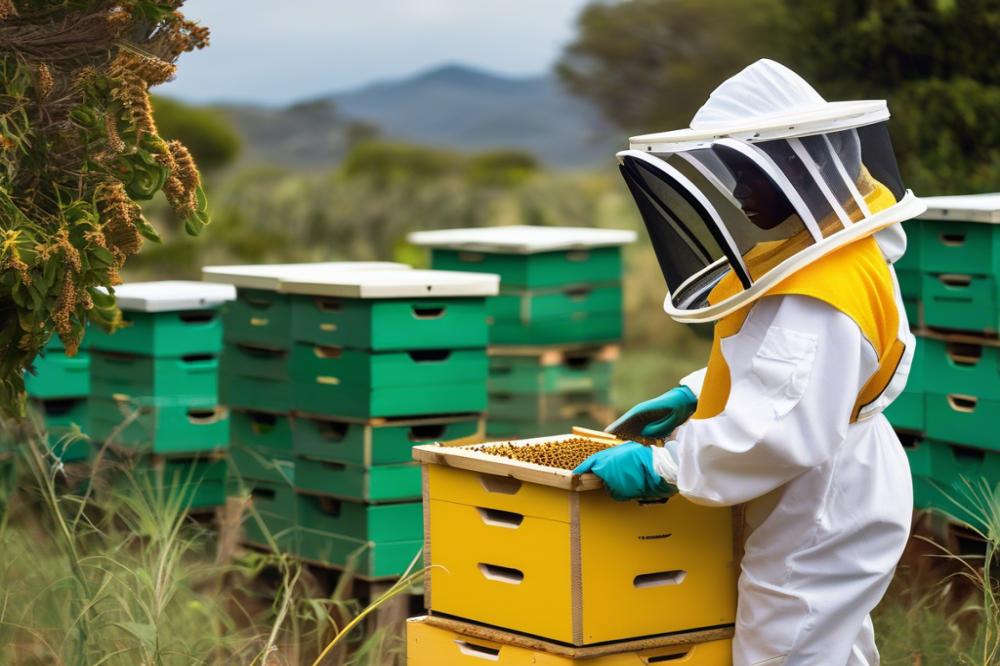
Rising Temperatures and New Solutions: beekeeping in South Africa Amid climate change
Overview of beekeeping in South Africa
In South Africa, beekeeping plays a crucial role in both the economy and the environment. This practice is not just about honey production; it’s also essential for the health of local ecosystems. Farmers rely on bees to pollinate crops, which helps ensure an abundant food supply. Many industries benefit from this relationship, highlighting the significance of pollinators in agriculture.
Importance of Bees for Agriculture and Biodiversity
Bees are vital contributors to biodiversity. Their ability to pollinate a wide variety of plants supports the natural balance of ecosystems. Agriculture heavily depends on these small yet powerful creatures to produce fruits, vegetables, and nuts. If bee populations decline, the impact on food security could be severe. Healthier bee populations lead to richer biodiversity, creating a flourishing environment for various species.
Impact of climate change on Local Ecosystems
Rising temperatures present several environmental challenges. These changes disrupt the natural habitats of bees, affecting their health and productivity. Climate change is causing shifts in flowering seasons, which leads to mismatches between bees and blossoming plants. Consequently, the availability of food sources for bees has decreased. Adaptive strategies are necessary to combat these issues. Sustainable practices could help manage the ecological balance and support bee health. Addressing the effects of climate change on beekeeping will be vital for the future of agriculture and biodiversity within South Africa.
Rising Temperatures and Their Effects on Beekeeping
South Africa faces a significant challenge due to rising temperatures. Each year, the mercury climbs higher, leading to more extreme weather events. Summer heatwaves have become more intense, impacting ecosystems and agricultural systems alike. These weather changes create a pressing issue for beekeepers trying to sustain their hives.
Honey production is closely tied to the health of bee populations. When temperatures rise, flowers bloom earlier and may not be available when bees are active. This shift disrupts the natural cycle of pollination, which is vital for producing honey. Furthermore, elevated heat levels stress bee colonies, leading to weakened immune systems. When bees are less healthy, they can produce much less honey. The connection between climate and honey yields cannot be ignored.
Additionally, beekeepers encounter numerous challenges due to these environmental changes. The decline of pollinators affects crop yields, which means farmers might produce less food. This creates a knock-on effect for everyone involved in agriculture. Bees are essential in many ecosystems, but their population is vulnerable. Sustainable practices can help, but many beekeepers are still adapting to this new reality.
Adapting to rising temperatures demands innovative strategies. Some beekeepers explore ways to provide shade for hives during hot spells. Others may alter their hive management to ensure colonies have enough food. Embracing these adaptive strategies is critical for maintaining healthy bees and stable production levels. This is not just a local issue; it’s one that affects biodiversity across South Africa.
Environmental challenges like droughts and increased pests contribute to the strain on bee health. With fewer resources available, bees struggle to survive. The ripple effect changes the entire landscape of farming and food production. Beekeepers must be proactive to maneuver through these hurdles and keep their hives thriving.
Pollinator Decline and Its Implications
South Africa is experiencing a worrying trend. Recent statistics indicate significant declines in pollinator populations across the region. This decline poses serious threats to ecosystems and agriculture alike.
The relationship between climate change and bee health is becoming clearer. Rising temperatures create stressful environments for bees. This stress can weaken their immune systems, making them more susceptible to diseases. As temperatures climb, the availability of forage plants also changes, impacting bee nutrition.
The agricultural impact of pollinator decline cannot be underestimated. Many crops rely on bees for successful pollination. When these vital pollinators diminish, farmers often face lower honey production and reduced yields. This situation can lead to increased food insecurity and higher prices for consumers.
Biodiversity suffers greatly as well. Pollinators like bees help maintain the balance of various species in an ecosystem. A decline in their populations can lead to fewer plants and, ultimately, less food for other wildlife. This creates a cascading effect throughout the food chain.
To combat these environmental challenges, adaptive strategies are essential. Farmers can adopt sustainable practices, such as planting pollinator-friendly crops or creating habitats that support bee health. These methods may not only help save the bees but also promote agricultural resilience in the face of changing climates.
Sustainable Practices in Beekeeping
As South Africa faces rising temperatures, traditional beekeeping methods are adapting to meet new environmental challenges. Sustainable practices play a crucial role in maintaining bee health and supporting honey production. These strategies help beekeepers combat the negative impacts of climate change.
Introduction to sustainable beekeeping practices
Farmers are increasingly looking for ways to practice sustainability in their operations. This involves using organic methods and reducing chemical inputs that harm bees. Maintaining healthy habitats for pollinators is another essential aspect. By creating a diverse environment filled with native plants, beekeepers can support thriving bee populations.
Examples of adaptive strategies for climate resilience
One effective adaptive strategy is the practice of managed pollination. By transporting hives to areas in bloom, beekeepers can help ensure bees have access to nutritious flowers. Another approach involves selecting bee species that are more resilient to heat and disease. Additionally, implementing water sources near hives can combat the risk of heat stress during hot months.
Importance of biodiversity and ecosystem balance
Biodiversity is crucial for maintaining ecosystem health. A variety of plant species attracts different pollinators, which helps stabilize the environment. This balance is vital in combating pollinator decline, which can disrupt agricultural production. The loss of biodiversity can lead to reduced honey yields and increased challenges for farmers.
Addressing environmental challenges through sustainable practices allows beekeepers to safeguard their livelihoods. Solutions that promote resilience not only benefit the bees but also help farmers adapt to shifting climates. Supporting diverse ecosystems today means more guaranteed food security and agricultural success tomorrow.
Innovative Solutions and Adaptive Strategies
Technology in Beekeeping: Sensors, Monitoring, and Data Analysis
Rising temperatures in South Africa have created new challenges for pollinators. Beekeepers are now turning to technology to combat these challenges. Sensors placed in hives can measure temperature and humidity levels. This data can help beekeepers understand hive conditions better than ever before. Additionally, monitoring equipment keeps track of bee activity patterns. When the bees are active, honey production is usually higher. Data analysis can show trends over time, guiding beekeepers in making informed decisions. Such technologies can adapt strategies, which may improve bee health and overall success.
Community-Based Approaches to Enhance Bee Health
Local communities are finding ways to strengthen their bee populations. Workshops bring together farmers and beekeepers to share their knowledge. These gatherings are essential, especially as many face the issue of pollinator decline. By working together, they develop sustainable practices that benefit everyone. Farmers can plant flowers to provide food sources for bees. These actions support biodiversity and lead to healthier ecosystems. When communities unite, they send a strong message about the importance of protecting bee health in agriculture.
Government and NGO Initiatives Supporting Beekeeping Sustainability
Organizations are stepping up to address environmental challenges faced by beekeepers. Government programs offer financial assistance for sustainable practices that help combat the agricultural impact of climate change. NGOs have also launched projects focused on education. They teach farmers about the vital role bees play in food production and ecosystem balance. Many initiatives emphasize creating habitats that nurture healthy bee populations. Collaborations between government bodies and non-profits play a crucial role in preserving honey production levels. Combining efforts enhances awareness of the need to defend pollinators and promote lasting environmental health.
Agricultural Impact and the Role of Beekeepers
Rising temperatures are affecting the agricultural landscape in South Africa. These changes pose significant challenges for farmers and the delicate ecosystem. Bees play a critical role. They are essential for pollination, which directly impacts crop yields and honey production.
Farmers increasingly recognize the interaction between agriculture and bee health. When pollinators thrive, crops benefit immensely. Many farmers are beginning to adopt sustainable practices that support both their crops and the local bee populations. This relationship fosters biodiversity. For instance, rotational grazing and planting wildflowers can improve not only soil quality but also provide habitats for bees.
Case Studies of Successful Integration of Beekeeping in Farming
One notable example comes from a farm in the Western Cape. Here, a farmer introduced hives alongside fruit trees. The result was astonishing. Increased bee activity led to higher fruit yields. Economically, the farmer saw a boost in profits due to better pollination.
Another successful case is found in KwaZulu-Natal. Farmers worked with local beekeepers to place hives near their fields. This partnership helped towards honey production while also ensuring that crops flourished. In turn, the beekeepers gained access to diverse pollen sources. This strategic alliance shows how traditional farming can adapt to modern needs in response to environmental challenges.
Economic Implications of Declining Bee Populations on Agriculture
Unfortunately, pollinator decline continues to threaten agricultural productivity. Statistics indicate that bee populations are decreasing at alarming rates. Factors contributing to this include habitat loss and pesticide use. Without healthy bee populations, farmers may face declining crop yields.
The economic implications are serious. Lower agricultural output can lead to reduced income for many families. This, in turn, affects food security within the nation. Farmers must explore adaptive strategies to cope with these shifts. Investing in bee health is not just an environmental concern; it’s a financial necessity. Without effective planning, the ripple effects will touch every part of society.
Final Thoughts on Beekeeping and Climate Change
Rising temperatures are creating significant challenges for honey producers across South Africa. Bees rely heavily on specific conditions to thrive. As the climate changes, their habitats are shifting. Flowers that provide food for these insects may bloom earlier or later than usual, causing mismatches in timing. This can lead to food shortages, which ultimately affect honey production. Furthermore, extreme weather events can destroy hives and disrupt the entire ecosystem that supports pollinators.
It’s essential to adopt sustainable practices to protect our bees. Local farmers and beekeepers must work together to promote biodiversity. Planting native flowers and reducing pesticide use can foster healthier environments. Education on climate impacts can empower communities to take action. Individuals can also make a difference by supporting local honey farms. Every small effort counts in maintaining a balance in this fragile system.
Looking forward, we can envision a future where honey production adapts to the changing climate. Investments in research and new technologies could pave the way for innovative solutions. A community-driven approach will bolster resilience in the face of challenges. By prioritizing the health of pollinators, we create a sustainable legacy for generations to come. Together, we can secure a thriving future for beekeeping and the vital role it plays in our agriculture and ecosystems.