
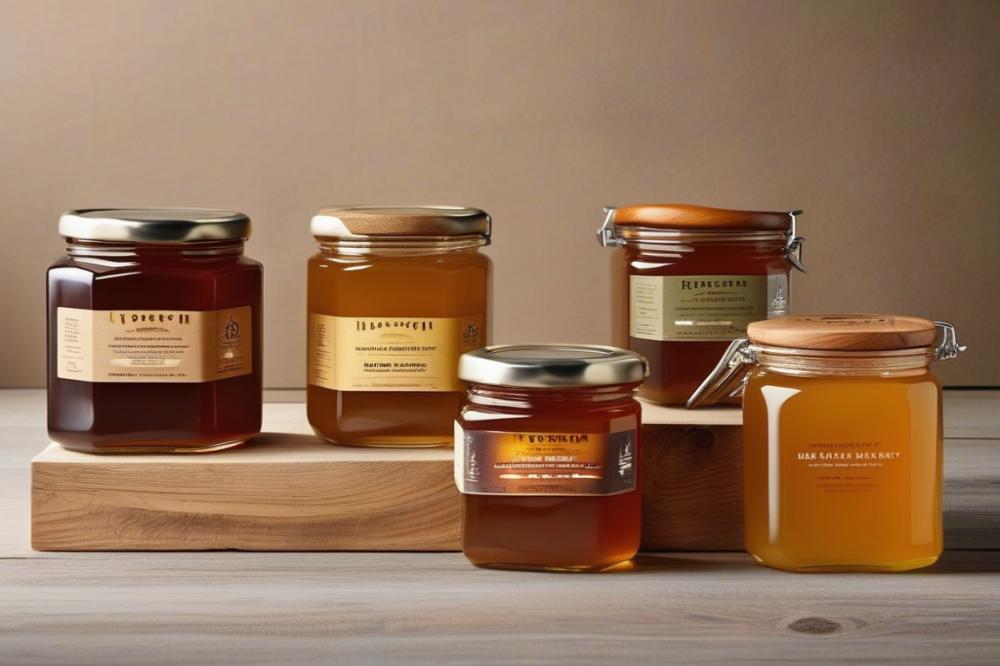
The Bold Flavors of Buckwheat Honey: A Rustic Specialty from North America
Honey varieties are incredibly diverse around the world. Each type captures the essence of its flowers, soil, and climate, creating a mosaic of flavors and textures. From the delicate sweetness of clover honey to the dark richness of eucalyptus, each jar offers a glimpse into its source. In recent years, the appetite for unique flavor profiles has grown significantly among consumers. Many are eager to explore artisanal and raw honey options that pack a punch in taste and health benefits.
Distinct flavors are not just a matter of preference; they enhance culinary creativity as well. Buckwheat Honey stands out as a Rustic Specialty, showcasing Bold Flavors that appeal to adventurous palates. Its deep, almost molasses-like taste can transform simple recipes into something extraordinary. This natural sweetener not only elevates dishes but also delivers impressive nutritional value. Studies indicate it contains antioxidants and may provide health benefits that surpass many other honeys.
Local producers often champion sustainable farming practices, contributing to a thriving market for raw honey. Enthusiasm for such products drives consumers to seek out artisan honey that boasts character and quality. This growing interest reflects a broader trend towards supporting small-scale farmers and appreciating the land that yields these treasures. Culinary uses are expanding too. Chefs and home cooks alike incorporate this bold honey into dressings, marinades, and desserts, demonstrating its versatility.
The world of honey is ripe for exploration. While many are familiar with standard varieties, venturing into the realm of buckwheat honey unveils intriguing possibilities. This rural treasure from North America not only delights the senses but also connects us to the landscapes that nurture its creation. Each taste of this honey is a reminder of the commitment of beekeepers and the importance of preserving our environment. Discovering these flavors enriches our culinary experiences and deepens our appreciation for honey as a whole.
Buckwheat Honey: A Distinctive Taste of North America
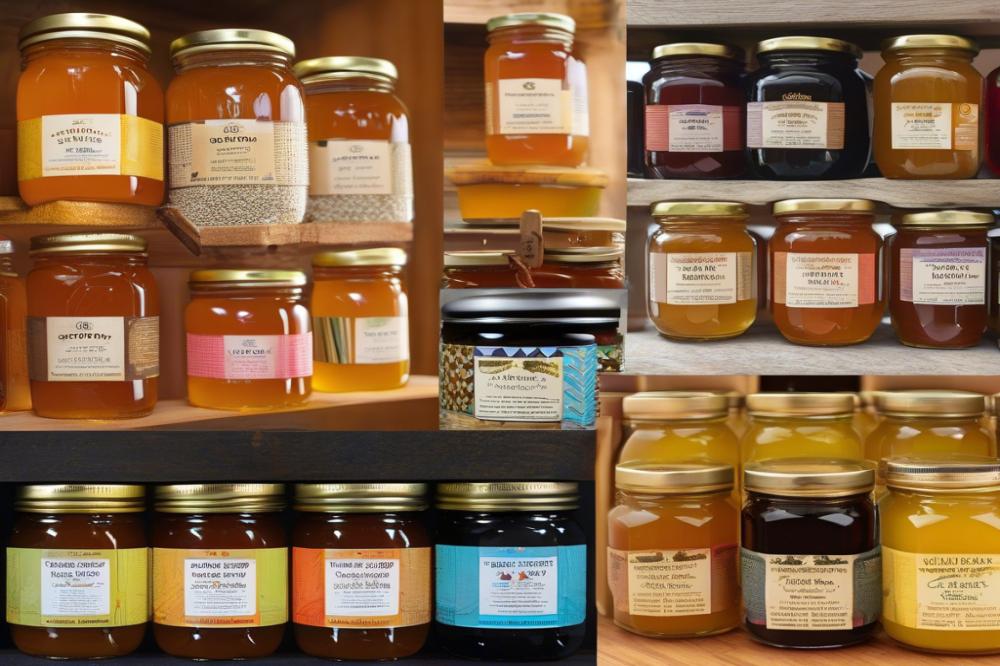
Buckwheat honey stands out as a specialty among honey varieties. This dark, robust sweetener captivates taste buds with its rich flavors. It’s unlike the more familiar, lighter honeys like clover or wildflower. When poured, it has a thick, almost syrupy consistency that hints at its intensity. Its deep amber hue can sometimes appear nearly black, showcasing the boldness within.
Characteristics and Appearance
This artisan honey is harvested from the nectar of buckwheat flowers, which bloom in late summer. The aroma can be earthy and malty, inviting anyone nearby to take a closer look. Upon tasting, many people notice a slightly tangy sweetness, accompanied by hints of molasses and even a touch of spice. Not only does its flavor stand out, but its nutritional value also catches the eye of health-conscious individuals.
Comparison with Other Honey Varieties
Compared to more common varieties, buckwheat honey is a bold flavor adventure. While clover honey offers light sweetness, this variety delivers a punch of robust taste. Raw honey tends to retain its natural enzymes and nutrients. However, the distinct flavors of buckwheat add another layer. Unlike lighter honeys that can be delicate, this one holds its ground in the culinary world.
Understanding Its Bold Flavors
Bold flavors can enhance many dishes. Cooks often turn to buckwheat honey as a unique natural sweetener. It can elevate salad dressings, marinades, and even baked goods. Local producers take pride in their sustainable farming practices, growing buckwheat to attract bees. This connection to nature resonates with consumers seeking authenticity.
Health benefits also play a significant role. Rich in antioxidants, buckwheat honey is known to support overall health. Many people appreciate its robust profile, especially when compared to the milder types. Exploring the depths of this honey can lead to delightful culinary experimentation.
Ultimately, those who savor its complex flavors often fall in love with its character. It serves not just as a sweetener, but as an ingredient that invites creativity. Whether drizzled over yogurt or used in savory dishes, this honey tells the story of North American craftsmanship.
The Craft of Artisan Honey Production
Local Producers and Their Practices
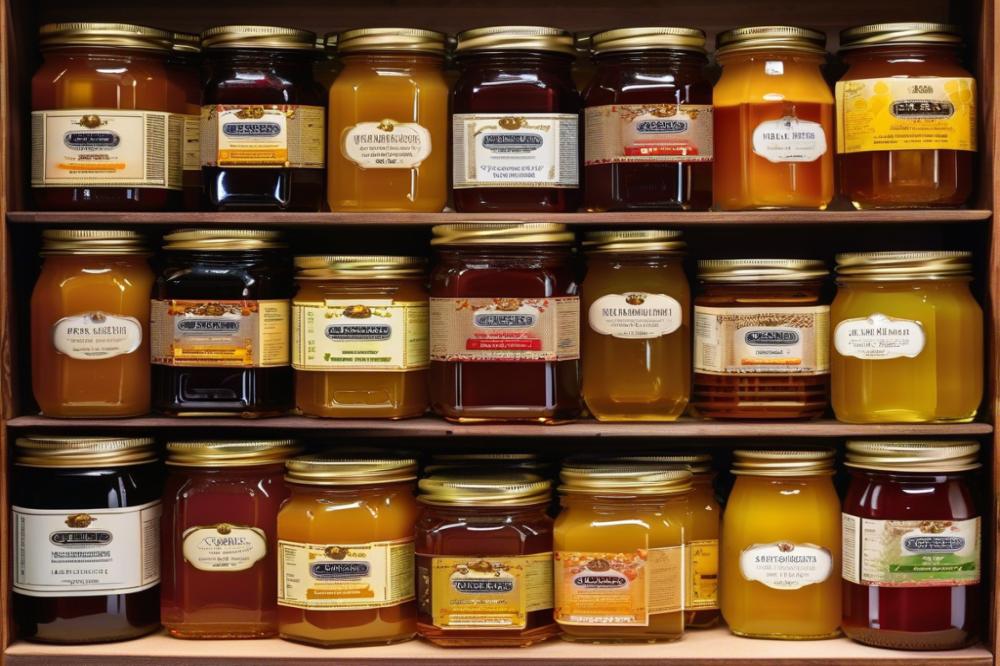
Artisan honey makers in North America take great pride in their work. They follow time-honored techniques passed down through generations. Most local producers manage their hives with care, allowing bees to forage naturally on the rich, wild blooms associated with buckwheat. Each batch reflects the distinct environment where the honey is produced. Many of these makers work small farms, emphasizing quality over quantity. They gather honeys from just a few hives, resulting in limited editions that highlight specific flavors. This commitment to craftsmanship translates into a product with bold flavors and character.
Sustainable Farming Methods for Buckwheat Honey
Sustainable farming practices are vital for both the bees and the environment. Producers often cultivate buckwheat in ways that support local ecosystems. Cover cropping, crop rotation, and minimizing pesticides promote healthy pollinator populations. Some farmers prioritize organic practices, not only benefiting the bees but also enhancing the honey’s flavors. These methods contribute to the local economy and reinforce relationships within the community. Consumers increasingly appreciate honey made with care for the environment. They seek products that reflect responsible farming practices.
The Role of Pollinators in Honey Production
Pollinators are essential to the honey-making process. Without bees, the vibrant wildflowers would struggle to thrive. These small insects travel from flower to flower, collecting nectar and pollen. As they forage, they facilitate the pollination critical for buckwheat crops. The health of pollinator populations directly impacts the quality of the raw honey produced. Producers understand the importance of maintaining a balanced ecosystem. They often create habitats that attract bees, such as planting wildflowers near hives. Educating the public about the role of bees also helps raise awareness about their conservation. This collaboration between local tinkerers and nature results in honey that bursts with bold flavors, enhancing culinary uses in every kitchen.
Health Benefits of Buckwheat Honey
Nutritional Value and Composition
Buckwheat honey is more than just a natural sweetener. Raw honey from this grain offers a rich tapestry of nutrients. It contains vitamins, minerals, and enzymes that support overall health. Each tablespoon is packed with energy, thanks to its natural sugars. Local producers take pride in crafting artisan honey that reflects the unique flavor profile of the buckwheat flower. This specialty honey has a darker color and a bold taste compared to its floral counterparts. For those interested in healthy eating, it provides an impressive alternative to refined sugars.
Antioxidant Properties
One significant quality of this honey is its high antioxidant content. Antioxidants help combat free radicals, contributing to better health. This means that indulging in it can potentially guard against certain diseases. Researchers have found that the darker the honey, the higher its antioxidant levels tend to be. These properties make buckwheat honey a powerful addition to a healthy diet. People looking to improve their well-being might find this honey particularly beneficial. Adding it to meals can enhance both flavor and nutrition.
Potential Health Benefits and Uses
The potential health benefits of this rustic specialty are numerous. For instance, many believe it can improve digestion. Some even use it as a natural remedy for coughs and sore throats. Mixing it into herbal teas can be soothing and comforting. Culinary uses extend beyond sweetening; it can elevate salad dressings and marinades. Those who enjoy baking may consider it for adding depth to various recipes. Additionally, its low glycemic index makes it a better option for people watching their blood sugar. Sustainable farming practices help support local producers, contributing further to its appeal. Embracing buckwheat honey opens the door to not just taste, but wellness too.
Culinary Uses for Buckwheat Honey
How to Incorporate Buckwheat Honey in Recipes
Buckwheat honey offers a rich, robust flavor that can elevate many dishes. It can serve as a flavorful substitute for traditional sweeteners in baking. For instance, using it in recipes for muffins or bread adds depth and a hint of earthiness. Cooking with raw honey is also a great way to keep its health benefits intact. Drizzle it over oatmeal or mix it into yogurt for breakfast.
Another exciting way to use this artisan honey is in marinades. Blend it with soy sauce, garlic, and ginger for a unique glaze on grilled meats. It also enhances the taste of roasted vegetables. When preparing savory dishes, consider using this honey as a finishing touch. A small drizzle can boost the overall flavor profile, making meals unforgettable.
Pairing with Foods and Beverages
When thinking about food pairings, the Bold Flavors of buckwheat honey complement many ingredients. Cheese boards thrive with a touch of this honey. Try it with sharp cheeses, such as blue cheese or aged cheddar. The contrast between sweetness and saltiness creates a delightful experience.
This honey also pairs well with whole-grain toast. Spread butter on the toast first, then add a layer of honey to enjoy a wholesome snack. Additionally, it works beautifully in beverages. Try mixing it into herbal teas or hot cider. The rich flavor rounds out the drink while providing a natural sweetness without overwhelming other notes.
Using Buckwheat Honey as a Natural Sweetener
Switching to this natural sweetener can be beneficial for health-conscious individuals. Its high nutritional value includes antioxidants and minerals. This makes it a better option compared to refined sugars. Local producers often highlight its health benefits, making it a conscious choice for many.
Instead of sugar in your favorite recipes, consider substituting buckwheat honey into sauces and dressings. Salad dressings can get a flavor boost from this ingredient, adding complexity to simple greens. Experimenting will help you find the right balance in various dishes.
In conclusion, buckwheat honey’s bold taste offers endless possibilities. Its versatility makes it a wonderful addition to both sweet and savory recipes.
Raw Honey vs. Processed Honey
When choosing honey, a clear distinction exists between raw honey and processed varieties. Raw honey comes straight from the hive without any alterations. In contrast, processed honey often undergoes heating and filtering. These methods remove impurities but also strip away some beneficial nutrients.
Benefits of Consuming Raw Buckwheat Honey
Raw honey contains numerous health benefits. One advantage is its rich antioxidant content. Antioxidants can support overall health by fighting against free radicals in the body. Additionally, this natural sweetener boasts antibacterial properties, which may help with wound healing. Many people appreciate the bold flavors of this honey, making it an appealing choice for drizzling over breakfast foods or adding to tea.
Understanding Processing Methods
Processing methods vary widely. Some honey is pasteurized to prolong shelf life. Others may be heated at high temperatures to improve clarity. These processes make honey look more appealing but often reduce its nutritional value. Furthermore, many local producers advocate for minimally processed options that keep the honey’s natural essence intact.
Why Raw Honey Retains Its Health Benefits
Raw honey retains its health benefits due to its minimal handling. Heating can destroy enzymes and antioxidants. Artisan honey also keeps its original properties better than large-scale brands. This preservation is vital for those who seek out natural remedies. When sourced sustainably, raw honey reflects the unique flavors of the environment it comes from. The nutritional value of this honey remains significant for those who value health in their diets.
Final Thoughts
Recapping Buckwheat Honey’s Distinctive Qualities
This honey stands out due to its deep, rich flavor that is unlike any other. The dark color and robust taste make it a rarity in the world of sweeteners. Its earthy essence pairs well with various foods, elevating dishes to new heights. Many people appreciate the health benefits associated with this product, including antioxidants and nutrients. All these elements contribute to why this honey should be on everyone’s radar.
Supporting Local Producers Matters
Every jar of this honey supports local beekeepers who work hard to maintain their hives. Choosing their products fosters sustainability and promotes biodiversity. Often, small producers prioritize quality over quantity, allowing them to craft something truly special. Buying locally not only benefits the environment but also strengthens community ties. So, when you decide to purchase, think about where your honey comes from and who made it.
Encouraging Exploration of Bold Flavors
Venturing into various honey types can be an exciting journey. Each variety tells a story about its origin and the environment it comes from. Those willing to explore will discover a world rich with flavors that can surprise the palate. Embrace the opportunity to taste something new. Buckwheat honey is just one option among many that showcase the best of North America’s offerings. The adventurous spirit in food can lead to unforgettable experiences. So go ahead, try different kinds and enjoy the bold flavors they bring!