

Introduction
Overview of Acacia Honey
Acacia Honey is a light and floral treasure that many savor for its delightful sweetness. Made from the nectar of flowering trees, its delicate flavor has captured the hearts of honey enthusiasts. This natural sweetener stands out for its clear, almost transparent color. People enjoy it for more than just its taste; it offers various health benefits. Rich in antioxidants, it supports wellness while adding charm to any dish.
Importance of Honey Made from Various Flowers
Honey crafted from diverse flowers plays a significant role in culinary experiences. Each type brings its unique flavor profile, enhancing recipes in different ways. From baking to beekeeping, the versatility is impressive. Sweetness can vary based on the flowers used, influencing how it pairs with foods. Organic honey is often sought after for its purity and the health advantages it provides. Culinary enthusiasts appreciate the gourmet qualities of floral honey, making it a staple in many kitchens.
Eastern Europe as a Notable Region for Acacia Honey
Eastern Europe is a notable region for producing this exquisite honey. The climate and landscape support a rich variety of flowering trees, ideal for beekeeping practices. Here, beekeepers work diligently to harvest this natural treasure. Acacia Honey from this area has gained popularity worldwide, appealing to those who seek high-quality, flavorful options. The cultural emphasis on organic products boosts its appeal. Exploring the beauty of this honey offers a glimpse into the region’s dedication to traditional methods and natural flavors.
Acacia Honey: A Light and Floral Treasure

Description and characteristics of Acacia Honey
Acacia honey is a delight to the senses. It boasts a stunningly light color, often appearing almost clear or pale amber. This uniqueness comes from the nectar of flowering trees like the black locust, which is prevalent in Eastern Europe. A smooth texture sets it apart from other types of honey. Many people appreciate its gentle sweetness, which is much less overpowering than darker varieties.
Color, taste, and aroma
The flavor profile is sweet yet mild, making it a perfect addition to tea or drizzled over yogurt. When you take a moment to inhale, you’ll notice a soft floral aroma. This delicate scent captures the essence of spring blooms. It often reminds users of a peaceful garden in full bloom. For those who dislike overly sugary flavors, this is a desirable choice.
Comparison with other types of honey
In the vast world of honey, each type has its character. Darker varieties, such as buckwheat honey, tend to have a richer, deeper taste and can be quite robust. Their flavor can sometimes overshadow the lighter, subtler profiles found in acacia honey. Many enjoy the versatility of light honeys for various culinary uses, from baking to salad dressings. The health benefits are also significant. This natural sweetener contains antioxidants and can be gentler on the stomach than others.
Gourmet chefs often prefer using acacia honey. Its lightness complements dishes without dominating them. More casual cooks can enjoy it in smoothies, adding a touch of sweetness without the heaviness. Beekeeping practices have embraced organic methods to produce this treasure. It reflects a dedication to purity and sustainability. As consumers become more health-conscious, the interest in this light, floral honey continues to grow.
Health Benefits of Acacia Honey
Nutritional profile
Acacia honey is not just a sweet treat. Its nutritional profile offers many health benefits. Containing vitamins and minerals, it supports overall health. This light and floral syrup can provide a quick energy boost. A single tablespoon includes carbohydrates and natural sugars, which can help fuel your day efficiently. Those looking for organic options will appreciate its natural purity.
Antioxidant properties
The antioxidants found in this unique honey can help protect the body from oxidative stress. Antioxidants work to neutralize free radicals, which are harmful to cells. Scientific studies suggest that consuming antioxidant-rich foods may support immune health. Regular inclusion of Acacia honey in your diet could keep your body in better balance. It stands out among other honeys due to its specific blend of antioxidant compounds.
Potential therapeutic effects
Many people turn to natural remedies for various ailments. Acacia honey is known for its soothing properties, particularly for sore throats. Its sweet, gentle qualities can coat and calm irritation. Additionally, some studies indicate it may have antibacterial effects. Beekeeping experts suggest that this honey could help with wound healing, given its possible antimicrobial properties.
Use in natural remedies
This honey shines in various home remedies. It can be used in teas to enhance flavor and boost health benefits. A warm drink with honey can bring comfort during cold seasons. Some even mix it with lemon for added vitamin C. As a natural sweetener, it serves well in culinary uses like salad dressings and desserts. The gourmet flavor profile makes it a favorite among food enthusiasts. People are increasingly recognizing its delightful qualities, not just for taste, but for its potential health perks.
Culinary Uses of Acacia Honey
This honey is not just a sweetener; it’s a versatile ingredient in many recipes. Incorporating it into various dishes can enhance flavors and add a touch of natural sweetness. You might drizzle it over yogurt for breakfast or stir it into your tea to bring out floral notes. Its light consistency makes it easy to mix with other ingredients.
Pairing with Foods and Beverages
A great match for cheeses, this honey complements soft and creamy varieties beautifully. It also pairs well with fruits, especially apples and pears, adding a sweet contrast. During meals, try it with roasted vegetables for a hint of sweetness. For a refreshing drink, mix it into lemonade or cocktails to liven up the flavor.
Use in Baking and Desserts
Baking with this honey creates moist cakes and cookies. When used in desserts, its natural sweetness can reduce the need for refined sugars. Consider using it in granola bars or energy bites for a gourmet touch. Those who enjoy cooking may find it an excellent ingredient in glazes and icings.
Impact on Flavor Profiles
This type of honey brings a light and floral character to dishes. Its subtle sweetness does not overpower, allowing other flavors to sing. Chefs appreciate how it enhances savory recipes without being overly cloying. Additionally, its health benefits make it a popular choice for those looking to eat organic and nutritious foods.
Beekeeping and the Production of Acacia Honey
Beekeeping is an age-old practice with deep roots in many cultures. It involves the careful management of bee colonies for the production of honey. Beekeepers monitor hives to protect the bees and collect their sweet treasure. The process begins with setting up hives in areas rich with flowering trees. This provides an abundance of food for bees, which is essential for honey production.
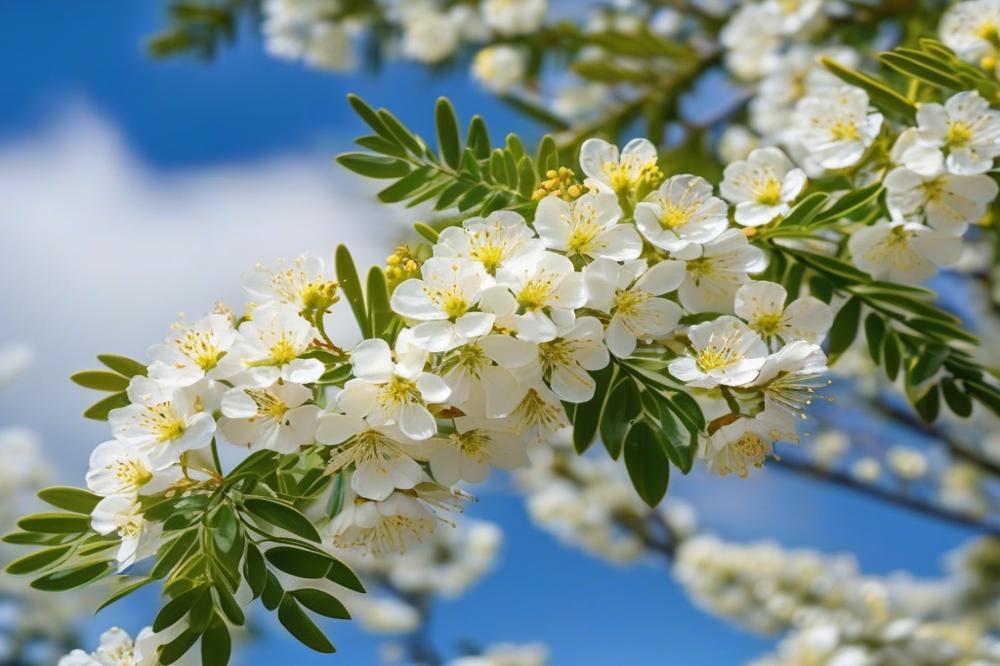
Flowering trees play a vital role in creating high-quality honey. Acacia trees bloom in spring, attracting bees with their aromatic flowers. These trees are known for their light and floral nectar. Because of this, the honey produced from their blossoms has a distinct flavor that sets it apart. The interaction between bees and these trees directly influences the taste profile of the honey.
Sustainable beekeeping practices focus on the health of bee populations. Beekeepers often adopt organic methods that avoid harmful pesticides. This not only helps the bees thrive but also ensures that the final product retains its natural qualities. Many beekeepers emphasize the health benefits associated with consuming pure honey. The sweet substance contains antioxidants and has potential medicinal properties.
Culinary uses for this gourmet honey are diverse. It can sweeten tea, drizzle over yogurt, or serve as a natural ingredient in various recipes. Home cooks and chefs alike appreciate its light texture and unique flavor. Such versatility enhances dishes while promoting a healthy lifestyle. Supporting organic beekeeping also benefits the environment by preserving flowering trees and their ecosystems.
Gourmet Aspects of Acacia Honey
Role in Gourmet Cooking
Acacia honey plays a significant role in gourmet cooking. Its light color and floral taste make it an appealing choice for various dishes. Chefs often use it as a sweetener in dressings or marinades. Pairing this honey with cheeses enhances the flavor profile of the meal. Additionally, it can be drizzled over desserts for a touch of elegance. Many home cooks appreciate its versatility in both sweet and savory recipes. Mixing it into baked goods can elevate the product with a natural sweetness.
Artisanal Producers and Specialty Brands
Artisanal producers focus on quality and craftsmanship when making honey. Small-scale beekeepers take pride in using sustainable practices. They often harvest honey from flowering trees, emphasizing organic methods. Specialty brands highlight their unique processes and flavor characteristics. Shopping from these producers can lead to more interesting culinary experiences. Look for brands that promote health benefits as part of their message. Choices vary widely, reflecting the diverse landscape of Eastern Europe’s beekeeping.
How to Choose High-Quality Acacia Honey
Selecting high-quality honey requires attention to detail. Start by examining the label for purity and organic certification. Clear, light honey usually indicates freshness and quality. A floral aroma is a good sign of its origin from flowering trees. Taste testing is also worthwhile. Genuine honey should have a sweet, but not overpowering, flavor. Checking for a thick consistency can indicate richness. Avoid options with artificial ingredients or overly processed flavors. Choosing well ensures a delightful addition to your gourmet meals.
Final Thoughts
As we reflect on the exploration of Acacia Honey, several key points emerge. This delightful nectar is not only a light and floral experience but also represents a significant aspect of Eastern European culture. The way it is harvested and enjoyed highlights the region’s deep connection to nature. Its taste is mild and versatile, making it perfect for many culinary uses.
Readers are encouraged to venture out and explore this honey variety for themselves. Whether drizzled on warm biscuits or stirred into tea, it brings a subtle sweetness that can elevate any dish. Supporting local beekeepers in Eastern Europe can also foster a greater appreciation for this special product.
In the realm of honey diversity, this variety stands out. Its unique profile, rich in antioxidants, offers numerous health benefits. Adding this sweet treat to your diet can contribute to overall wellness. Keep an open mind when tasting new honeys; each variety has its own story and benefits to share.
In closing, Acacia Honey is more than just a sweetener. It embodies tradition and offers a taste of nature’s beauty. Exploring this golden treasure can lead to delightful surprises on your palate. Don’t miss the chance to discover a treasure that adds both flavor and health to your life.