
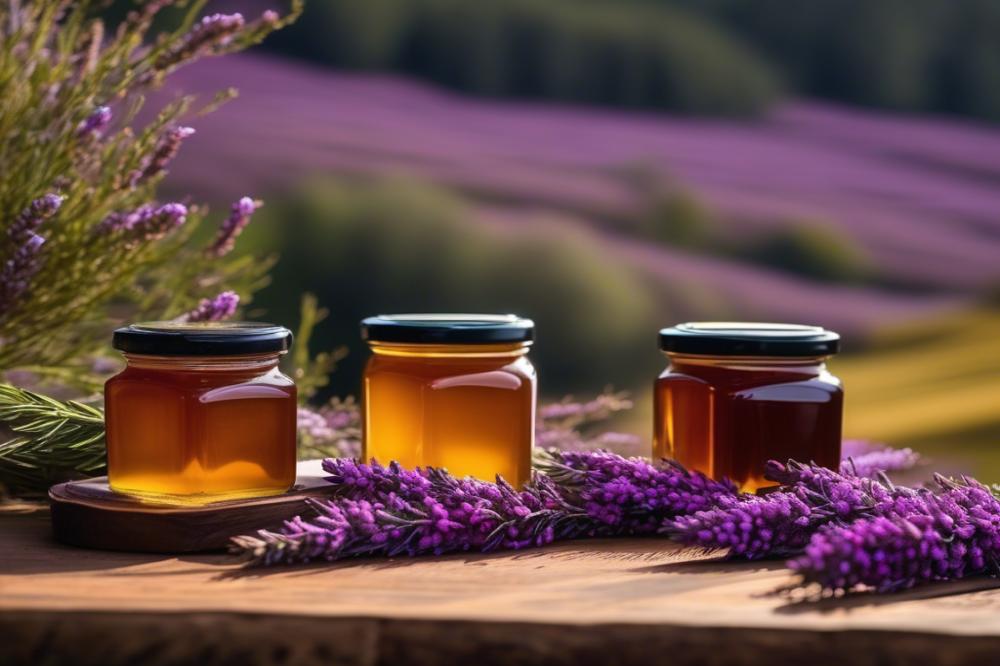
Heather Honey: Scotland’s Dark and Smoky floral elixir
Honey has long been cherished as a natural sweetener. This golden delight adds flavor and richness to countless dishes. From drizzling over warm biscuits to sweetening morning tea, it fits seamlessly into many culinary traditions. Yet, not all honey is created equal. Each variety tells a story, and one of the most captivating tales comes from the hills and glens of Scotland.
Heather Honey stands out for its dark color and smoky flavor. This artisan honey results from bees that feed on the nectar of heather plants, common in Scotland’s wild landscapes. The process of beekeeping here is steeped in tradition, which gives this honey its unique character. More than just a sweetener, it embodies the spirit of local produce. Many admirers of Scottish cuisine seek it out for its distinct taste and potential health benefits.
Exploring different floral sources of honey worldwide reveals a wide array of flavors. Each type offers its own taste profile and nutritional advantages. While Heather Honey is a remarkable example, countless varieties exist globally. Each one connects us with the various environments from which they originate. This intrigue inspires many to delve deeper into the world of floral elixirs, where flavors are as diverse as the flowers they come from.
Heather Honey: Scotland’s Dark and Smoky Floral Elixir
Heather honey is a distinctive product from Scotland, renowned for its deep amber color and complex taste. This dark honey carries a rich, smoky flavor that sets it apart from other varieties. The unique characteristics of this floral elixir come from the heather plants that bloom in the rugged landscapes of the Scottish Highlands.
Characteristics
The profile of this artisan honey is complex. When you taste it, you might notice a slight bitterness alongside that signature smokiness. These traits are influenced by the nectar harvested from the heather flowers. Many people appreciate its robust flavor, making it a popular addition to different dishes in Scottish cuisine.
The Process of Making Heather Honey
Creating this natural sweetener involves careful attention. Beekeepers place hives in areas dense with heather, often during late summer when the flowers bloom. The bees collect nectar from the blossoms, returning to their colonies to convert it into honey. After harvesting, the honey is often creamed to maintain its rich texture. The process is both labor-intensive and rewarding, leading to a premium product.
Beekeeping in Scotland
Beekeeping in Scotland is an age-old tradition. Many local producers have dedicated their lives to the craft. They understand not just the behavior of bees but also the unique floral sources. The heather fields are plentiful in the Highlands and provide an ideal environment for bees. It’s a delicate balance between nature and care, allowing beekeepers to harness the benefits of local flora.
Health Benefits
Many people claim that heather honey has various health benefits. It is packed with antioxidants and can aid in digestion. Additionally, it may have antibacterial properties, making it a popular choice for those seeking natural remedies. Using this dark honey can enhance your meals while also providing a boost to your health.
Applications in Scottish Cuisine
Scottish cuisine often features heather honey in both sweet and savory dishes. Chefs enjoy incorporating it into marinades for meats or drizzling it over desserts. The unique flavors contribute to the regional identity of food in Scotland, making it a point of pride for many locals. Whether used in baking or as a sweetener for tea, this floral elixir adds an authentic touch.
The Role of Beekeeping in Scotland
Beekeeping in Scotland is more than a mere pastime; it plays a crucial role in the production of honey. Local produce significantly influences the quality and character of each jar. Scottish beekeepers have cultivated their practices over generations, embracing both tradition and innovation. This allows them to create exquisite artisan honey that reflects the region’s diverse flora.
Traditional methods remain central to the craft. Most keepers use wooden hives, which have withstood the test of time. They understand the rhythms of nature, timing their harvests to align with seasonal blooms. This intimate knowledge helps them produce a dark honey rich with flavor.
Flora native to Scotland deeply impacts honey’s flavor profiles. Heather, wildflowers, and various herbs offer bees myriad choices for nectar collection. Each flower contributes distinct notes to the final product, crafting a floral elixir that surprises the palate. Smoky flavor hints often emerge from bees foraging on heather, leading to a unique taste experience. This captivating blend has become a signature of Scottish honey.
Health benefits also accompany the enjoyment of this natural sweetener. People appreciate not just the taste but the potential wellness effects, including soothing qualities for sore throats. When paired with traditional Scottish cuisine, it enhances dishes while adding depth and character.
The connection between landscape and honey cultivates pride among local producers. By choosing to support beekeeping in Scotland, consumers help sustain these age-old practices. Ultimately, they contribute to the preservation of biodiversity while enjoying the unique flavors that this land has to offer.
Culinary Uses of Heather Honey
The integration of this floral elixir into Scottish cuisine is both traditional and contemporary. This dark honey brings a smoky flavor that enhances many dishes. Recipes often feature it as an ingredient in marinades or glazes. Drizzling it over roasted vegetables or meats adds a delightful touch.
Pairing Heather Honey with Various Foods and Beverages
Pairing the honey with foods can elevate a meal. It complements cheeses wonderfully, especially sharp varieties like blue cheese. Spread it on crusty bread for a simple yet tasty snack. Additionally, mixing it into tea adds a sweet twist that warms the soul. Some even enjoy it with yogurt, enhancing the overall taste experience.
Its Role as an Artisan Honey in Gourmet Food Markets
This artisan honey is sought after in gourmet food markets. Beekeeping in Scotland has led to unique flavors that capture the essence of the land. Many local producers offer their own variations, showcasing the diversity of Scottish flora. The health benefits associated with honey also make it a popular item. People appreciate its natural sweetener qualities, often choosing it over processed sugars.
Health Benefits of Heather Honey
Nutritional Properties of Heather Honey
Eating this artisan honey offers various nutritional advantages. Rich in vitamins and minerals, it contributes to a healthy diet. This dark honey contains essential nutrients that support overall well-being. Those who appreciate natural sweeteners often find it a worthy addition to their meals. Blending seamlessly into Scottish cuisine, it can enhance dishes and beverages alike. Moreover, its unique smoky flavor pairs well with both savory and sweet foods.
Antioxidant and Antibacterial Benefits
Research highlights the antibacterial properties found in this floral elixir. Antioxidants present in the honey help combat free radicals in the body. This can lead to improved immune health and lower risk of certain diseases. Regular consumption may support your body in fighting infections and maintaining vitality. Many people turn to these qualities when seeking natural remedies. Natural remedies often align with a growing trend in holistic health.
Potential Uses in Holistic Health and Wellness
As wellness gains prominence, individuals are exploring diverse approaches. Incorporating honey into daily routines can boost overall health. Some use it as a soothing throat remedy during cold season. Practitioners in holistic health also recommend it for its energizing effects. From drizzling it on warm toast to mixing it in herbal teas, there are countless ways to enjoy its benefits. Local produce like this offers both health advantages and a connection to traditional beekeeping in Scotland. Embracing these unique flavors can create a satisfying experience on many levels.
The Global Context of Floral Honey
Floral honey comes in many forms, each with its own character and taste. From clover to wildflower, each variety offers something distinct. Heather honey stands out with its dark hue and smoky flavor, but it’s just one type among a vast array. For instance, orange blossom honey is known for its light, citrus notes, while lavender honey brings a subtler, herbal essence.
In many regions, honey plays a significant cultural role. In Greece, thyme honey is cherished not just for its flavor, but also for its health benefits. Native to the Mediterranean, it’s often used in traditional dishes and enjoyed as a natural sweetener. The importance of local produce is apparent in these regions, where honey is an integral part of daily life.
Beekeeping in Scotland is a time-honored tradition that reflects the landscape and floral diversity. Many artisan honeys emerge from this practice, each capturing the essence of its surroundings. The flavors can vary based on the flowers available to the bees. This results in a range of taste experiences, from bold and robust to light and delicate.
Cultural significance extends to how honey is used in various cuisines. For example, in Asian cultures, honey is often combined with traditional ingredients for medicinal purposes. This varies widely from region to region. Some cultures incorporate honey into desserts, while others use it in savory dishes. It serves as a key ingredient that enhances not just flavors, but also cultural identity.
Every type of floral elixir offers a glimpse into the environment where it’s produced. Each honey variety’s flavor profile is molded by the plants that thrive in that location. Dark honey, such as that from heather, may have far richer undertones compared to lighter options. These differences highlight the versatility of honey as more than just a sweetener.
Final Thoughts on Scotland’s Floral Elixir
The myriad characteristics of the dark honey from heather moors set it apart from other varieties. Its distinct flavor profile offers a combination of floral notes and subtle smokiness that delights the palate. Consumers can enjoy potential health benefits, too, such as antioxidants and natural antibacterial properties. Such advantages make it a wonderful addition to your diet.
Exploring artisan honey can be a delightful experience. When you taste this unique product, you’re not just enjoying a sweet treat; you’re savoring the story of the bees, the blooms, and the beekeepers who work tirelessly to produce it. Each jar reveals a little piece of Scottish heritage. You may even find that it inspires culinary creativity, whether drizzled over cheese or mixed into teas.
Supporting local beekeeping is vital for the environment and economy. Bees play a crucial role in pollination, which is essential for many plants and crops. By choosing local honey, you contribute to the preservation of these invaluable creatures and their habitats. Every purchase helps sustain beekeepers who practice ethical and sustainable methods.
In summary, this floral elixir provides more than just a treat for the senses. Its rich history and multitude of benefits make it worthy of exploration. So, next time you’re looking for a special food item, consider this artisan honey. It might just lead to a newfound appreciation for the natural world and the hardworking bees that produce it.