

Buzzing Back: How Germany’s beekeepers Are Innovating in the Face of climate change
Overview of beekeeping in Germany
In Germany, the tradition of caring for bees has deep roots. Many small-scale and commercial beekeepers operate throughout the country. They play a crucial role in the agricultural landscape. Honey production is just one aspect of their work. These dedicated individuals maintain hives, nurture colonies, and harvest honey, all while contributing to local ecosystems. Their efforts not only supply our tables with sweet honey but also support the essential role of pollinators.
Importance of Bees as Pollinators
Bees are vital for maintaining biodiversity. They pollinate numerous crops and wild plants. Without these industrious insects, fruit and vegetable harvests would plummet. In many ways, they are the unsung heroes of our food systems. The relationship between plants and pollinators ensures that we enjoy a diverse range of foods. This connection is crucial for both human health and ecological balance.
Impact of climate change on beekeeping Practices
Climate change poses a series of environmental challenges for beekeepers. Shifts in weather patterns can affect flower blooming times, resulting in mismatched timing for foraging. Bees depend on a steady food supply during the growing season. New pests and diseases emerge as temperatures rise, putting additional pressure on hive management. Adjustments to traditional methods have become necessary. Beekeepers in Germany are finding innovative solutions to navigate these changes. Sustainability is now at the forefront of their practices. Adaptation strategies are being developed to support both bees and the broader environment. The future of bees may rely on the commitment of these guardians of the hive.
The Climate Challenge: Understanding Environmental Impacts
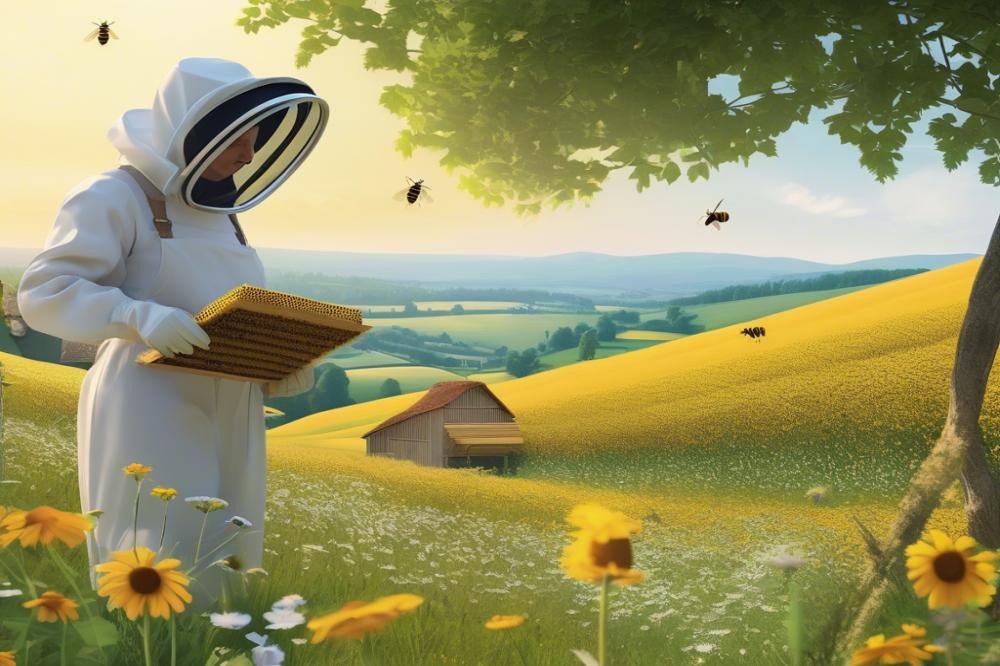
Climate change poses numerous threats to ecosystems around the globe. Rising temperatures, changing precipitation patterns, and extreme weather events disrupt natural habitats. Pollinators, such as bees, depend on stable weather and diverse flora to thrive. Unfortunately, rapid changes in their environment are leading to significant challenges.
German beekeepers face specific hurdles due to these environmental challenges. Unpredictable weather has made it difficult for bees to find reliable food sources. Droughts and heavy rains can destroy flowering plants, impacting hive management. Moreover, the spread of pests and diseases has increased because of warmer winters. Bees that once flourished are now seriously affected by these shifts.
Honey production is directly impacted by these climate changes. Fewer flowering plants lead to lower honey yields. This decline affects not only local supplies but also the economy since honey is a valuable product. Hive health is also threatened because stressed bees are more susceptible to disease. A decrease in biodiversity further jeopardizes their survival.
To confront these issues, innovation is critical. Many beekeepers are adopting practices focused on sustainability. Some are adapting hive designs to withstand temperature changes better. Others are educating themselves about the best plants to grow for bees to ensure a steady food supply. Collective efforts among beekeepers can lead to stronger resilience in the face of climate change.
Addressing the needs of these valuable pollinators requires urgency. Germany’s beekeepers understand the vital role they play in maintaining biodiversity. Their proactive approaches can help support not just their hives but also the broader environment. Each initiative contributes to a more sustainable future.
Innovative Hive Management Techniques
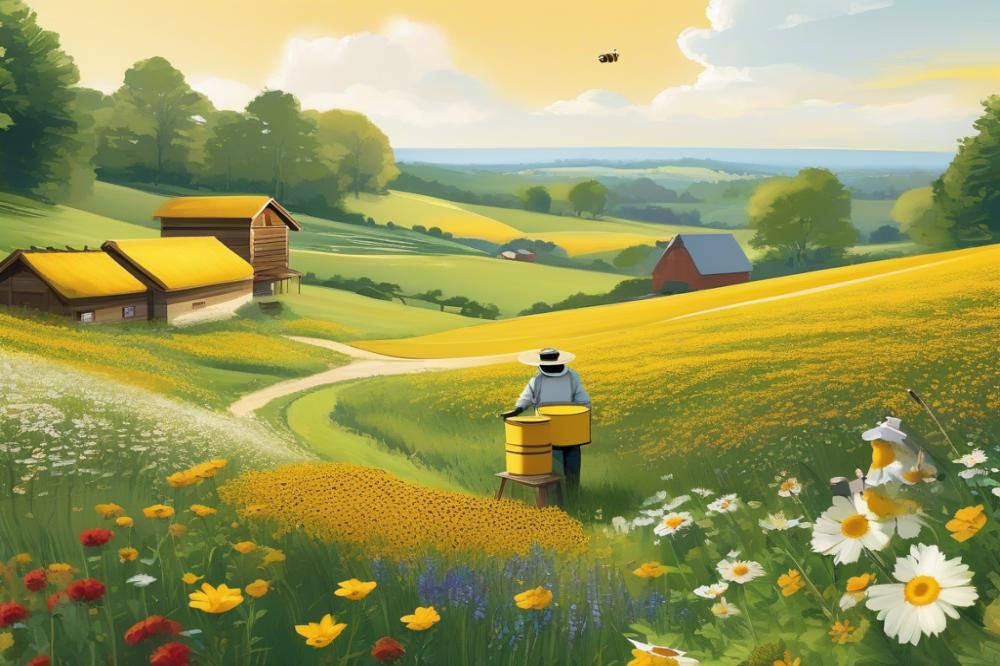
Emerging technologies and tools for hive monitoring
Germany’s beekeepers are turning to technology to tackle environmental challenges. Smart sensors and apps allow them to monitor hive conditions remotely. These tools track temperatures, humidity levels, and even the health of bees. Owning a smartphone enables quick access to real-time data. This innovation helps beekeepers make informed decisions about their colonies. For instance, a sudden temperature drop could signal the need for a heat source. Drones are also becoming popular for hive inspections. The aerial view can help spot issues that are difficult to see from the ground.
Beekeeper adaptations to changing weather patterns
Adapting to climate variation is crucial for a thriving hive. Weather patterns are shifting, affecting when flowers bloom. Bees rely on these seasonal changes for nectar. Beekeepers in Germany are now relocating hives to follow blooming periods. Some even plant cover crops to support their pollinators throughout the year. These strategic movements can safeguard honey production during adverse weather. Events like unexpected frosts or heatwaves can be devastating. By shifting locations, beekeepers give their bees a better chance to thrive.
Sustainable practices for improved hive resilience
Sustainability plays a vital role in modern beekeeping. Practices such as using organic treatments instead of chemicals show promise. These methods protect both bees and the surrounding biodiversity. Additionally, increasing flower diversity around hives helps sustain a healthy environment. Cover crops, wildflowers, and native plants create a sanctuary for pollinators. This proactive approach can enhance honey production and build a resilient ecosystem. Pollinators are crucial for food supply, so investing in their health benefits everyone. Overall, these innovative techniques foster a balance between agricultural needs and ecological welfare.
Biodiversity and Its Role in Beekeeping
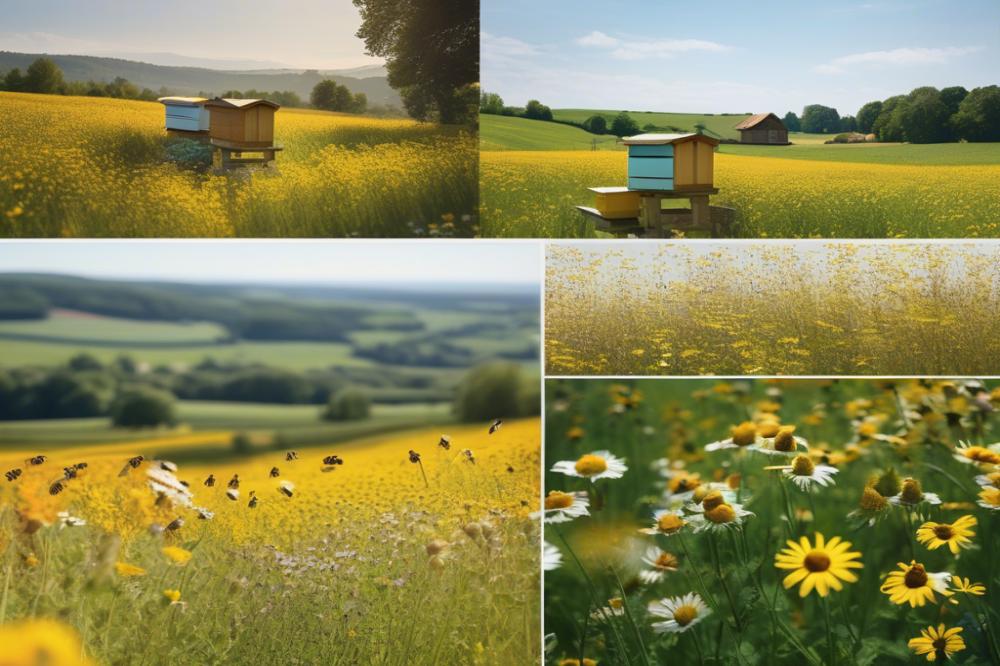
Diverse floral sources are crucial for bees. They rely on a variety of plants to gather nectar and pollen. This dietary variety plays an important role in their health and productivity. When bees have access to multiple flowers, they can produce better-quality honey. This, in turn, benefits both the environment and those involved in honey production.
Many German beekeepers are embracing the idea of sustainability. They understand that their bees need rich habitats filled with plants. Various crops can support pollinators and improve hive management techniques. By integrating biodiversity into agricultural practices, farmers can create a supportive environment for bees. This approach also addresses environmental challenges that many regions face due to climate change.
Efforts to Promote Biodiversity in Agricultural Practices
To protect pollinators, some initiatives encourage the adoption of native plants in farming. Farmers are urged to plant wildflowers along their fields to create foraging areas. This alone can significantly impact the local bee populations. Additionally, reducing pesticide use helps safeguard important habitats. These efforts are not just beneficial for bees; they also contribute to healthier ecosystems.
Case Studies of Successful Biodiversity Initiatives in Germany
One remarkable example comes from a project in Bavaria. Local beekeepers collaborated with farmers to plant flower strips. These strips provide bees with a consistent food source from spring through fall. Another inspiring case is found in the state of Brandenburg. Here, a group of organic farmers partnered with environmental organizations to create pollinator-friendly zones on their lands. They have observed remarkable increases in bees and other beneficial insects.
Such initiatives showcase how innovative strategies can lead to positive outcomes. Not only do they enhance the production of honey, but they also promote climate adaptation. By fostering biodiversity, these projects build resilience against changing weather patterns. Overall, the integration of diverse habitats reveals the importance of collaboration among all stakeholders.
Supporting Pollinators through Community Engagement
Role of Local Communities in Beekeeping
Communities play a vital role in supporting pollinators. Local groups often rally together to protect these crucial insects. By uniting efforts, they can create a more favorable environment for honey production and biodiversity. Engagement from community members ensures that awareness about environmental challenges becomes widespread. People are more likely to take action when they understand the importance of pollinators in our ecosystems.
Educational Programs and Partnerships for Sustainability
Many regions in Germany have established educational programs centered on sustainability. Workshops inform attendees about hive management and the crucial role bees play in our food systems. Partnerships with schools and local organizations help foster a sense of responsibility toward pollinator health. Additionally, these initiatives often include firsthand experiences, where participants can observe beekeeping practices up close. Learning about climate adaptation strategies is becoming increasingly essential for future generations.
Examples of Community-Driven Beekeeping Projects
Several community-driven projects showcase the power of collaboration. In urban areas, rooftop gardens have been transformed into habitats for bees. This not only supports pollinators but also beautifies the city landscape. Another example includes community gardens where local residents cultivate plants that attract bees. These initiatives not only boost biodiversity but also enhance community spirit. Innovative workshops offer participants skills that can lead to small-scale honey production. Altogether, these efforts demonstrate how communities can take actionable steps toward protecting pollinators against the backdrop of climate change.
Future of Beekeeping in Germany: Innovations and Sustainability
Germany’s beekeepers are facing numerous environmental challenges. Climate change profoundly impacts ecosystems and pollinators. Rising temperatures disrupt seasonal patterns critical for bee survival. Adapting to these shifts is essential for both beekeepers and the bees themselves. Innovative hive management techniques are emerging as a solution. For instance, many are experimenting with insulated hives to protect bees from extreme weather.
Farmers and beekeepers are increasingly engaging in sustainable practices. Crop rotation and diversified planting encourage biodiversity. This approach creates a richer environment for bees. By incorporating native plants into agricultural landscapes, the health of pollinators improves. These plants offer vital resources for bees, promoting a better balance within nature.
Trends in Beekeeping Practices Towards Climate Adaptation
New trends show a shift towards climate adaptation. Some beekeepers utilize data-driven methods to monitor hive conditions. Smart sensors inform them about temperature and humidity levels inside hives. This real-time information enhances management strategies, helping to maintain bee health. Techniques like these are crucial, especially during unpredictable weather events.
Furthermore, breeding programs focus on developing resilient bee strains. These bees can withstand higher temperatures and are less prone to disease. Such innovation aims to safeguard the future of honey production. By creating stronger colonies, beekeepers can face climate-related challenges effectively.
Potential for Policy Changes to Support Beekeepers
Policy changes can significantly aid local beekeepers. Research initiatives could receive more funding, allowing for sustainable practices to flourish. Government support for educational programs would help raise awareness about the importance of pollinators. When communities understand bees’ roles, they may adopt practices that protect these essential creatures.
In addition, regulations on pesticide use need to be stricter. Pesticides can harm bees and other beneficial insects. By limiting harmful chemicals, policymakers can help sustain pollinator health. Such changes would promote a safer environment for bees and could boost honey production in the long run.
Long-term Outlook for Honey Production and Pollinator Health
The long-term outlook for honey production relies heavily on successful adaptation strategies. As beekeepers implement innovative methods, the potential for thriving colonies increases. Healthy pollinators contribute to improved crop yields. This cycle benefits both farmers and those who consume their products.
Maintaining pollinator health is a priority not just for beekeepers, but for everyone. Protecting these insects ensures biodiversity and food security. With continued commitment, Germany can foster a sustainable future. Beekeeping practices may evolve, but the fundamental need for pollinators remains constant. Together, innovations and environmental consciousness will shape the future of this vital industry.
Final Thoughts
The challenges faced by beekeepers in Germany are significant. Climate change has altered flowering patterns, which affects honey production. Additionally, extreme weather events put immense pressure on these essential insects. Many beekeepers are rising to the occasion, implementing innovative practices to adapt. From creating new habitats to improving hive management techniques, these efforts show promise.
Adapting practices is vital for sustainability in both agriculture and biodiversity. The health of bee populations is crucial for pollination, impacting food supplies worldwide. Supporting initiatives that focus on conservation can lead to a healthier ecosystem. Germany’s approach to managing these hurdles could serve as a model for other nations facing similar challenges.
We all have a role to play in this important effort. Supporting local beekeepers and participating in biodiversity efforts can make a difference. Simple steps can lead to substantial change. Buying local honey, planting bee-friendly flowers, and spreading awareness are tactics anyone can adopt. Together, we can help ensure that bees continue to thrive for generations to come.