
From Tradition to Technology: How Japan’s Beekeepers Are Weathering Climate Challenges
beekeeping in Japan has deep roots, intertwining with the country’s cultural heritage. From the ancient practice of collecting honey to modern techniques, this craft has evolved over centuries. honey production is not just about the sweet substance; it plays a critical role in agriculture. Pollinators, like bees, are vital for growing numerous crops. Their health impacts food security and the overall economy.
Farmers rely on these small creatures to pollinate fruits, vegetables, and flowers. This partnership supports sustainable practices that help keep ecosystems balanced. Yet, environmental challenges threaten both bees and the agricultural landscape. climate change introduces unpredictable weather patterns, impacting flowering times and, ultimately, honey yields.
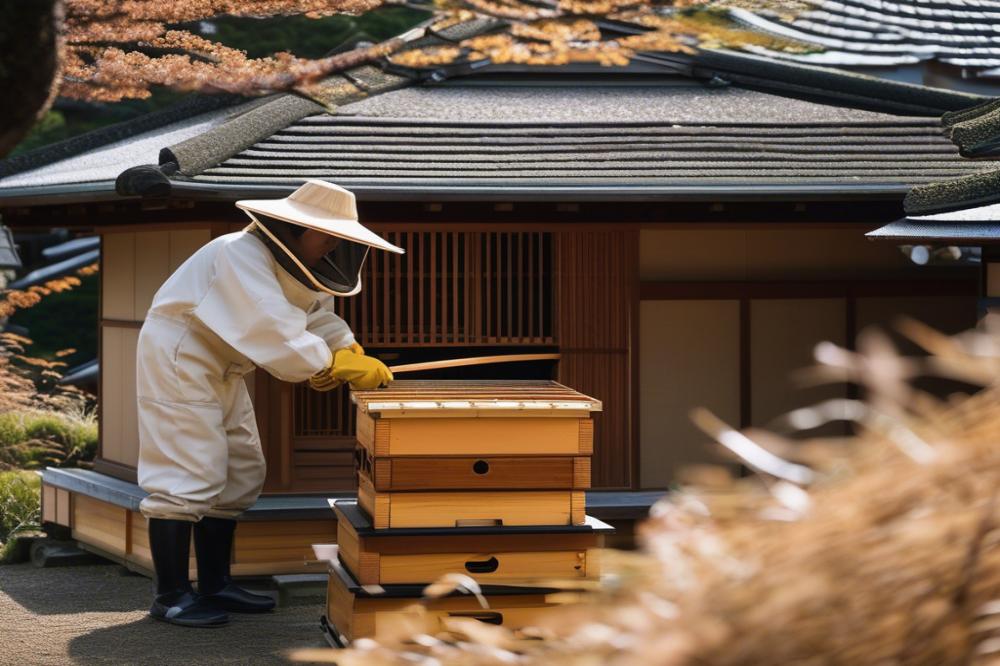
Traditional methods of hive management face significant pressure. Beekeepers must adapt to this new reality. They are increasingly turning to technology for solutions. Innovations can help monitor bee health and improve conditions within the hive. Flexibility is key as they navigate these obstacles.
In response to these changes, many are blending old and new techniques. Some maintain the traditional ways of hive care while incorporating advanced practices. This hybrid approach aims to safeguard not only the bees but the livelihoods that depend on them. Resilience is essential; as conditions shift, so must the strategies that support these industrious insects.
Traditional beekeeping Methods in Japan
Historical Context of Beekeeping in Japan
Beekeeping has a long history in Japan. It dates back more than a thousand years. Ancient texts mention honey and bees, pointing to their importance even then. In rural areas, honey served as a vital food source. It was not only a sweetener but also played a role in various cultural practices. The first methods involved wild honey hunting. Gradually, techniques evolved, leading to more advanced practices. Traditional methods were created based on the unique environment of Japan. Local flora and climate shaped how beekeepers worked. This connection to nature remains important today.
Description of Traditional Hive Management Practices
Traditional hive management in Japan often relied on natural materials. Many beekeepers used bamboo or wood for constructing hives. These hives were typically simple, allowing bees to thrive in a more natural setting. Hanging hives in trees was also common. This technique enabled bees to find their own space for a colony, resembling their wild habitats. Seasonal changes dictated the care of the hives. Harvesting honey was done carefully to promote bee health. Methods aimed to conserve the colony, as losing bees could harm agriculture and local ecosystems. Over time, farmers learned to use specific plants to improve honey production and support pollinators.
Cultural Significance of Beekeeping and Honey in Japanese Society
Honey holds a special place in Japanese culture. Beyond culinary uses, it symbolizes prosperity and harmony. Many festivals feature honey products, showcasing their importance. Traditionally, families would keep bees for self-sufficiency. Honey often graced the tables during celebrations. Various forms of honey, from wildflower to buckwheat, reflect the diversity of the land. In addition, stories and folklore highlight bees as symbols of diligence and community. Children learn about the role of bees in nature, fostering respect for these creatures. Growing awareness of environmental challenges contributes to a renewed focus on sustainable practices. Beekeepers are continually adapting their traditions to meet modern needs. This blend of old and new highlights Japan’s commitment to preserving its history while facing the future.
Challenges Posed by climate change
Japanese beekeepers are facing a range of environmental challenges that threaten their way of life. The impacts of climate change are becoming increasingly evident in the beekeeping landscape. Rising temperatures, erratic weather patterns, and shifting seasons can all disrupt traditional methods of hive management.
Bee health has taken a hit as changing climates lead to varied food availability. Flowers bloom earlier or later than usual, which can confuse pollinators. This can result in reduced foraging time, making it hard for bees to gather the necessary resources. Poor health in bee colonies can occur due to stress and loss of habitat.
Pollination is critical for agriculture in Japan. Many crops rely on bees to produce fruit and seeds. When bee populations dwindle, yields can suffer dramatically. Farmers notice that some fruits are less abundant than before. This decline can directly impact local economies, especially in regions that depend heavily on honey production.
The need for sustainable practices is urgent. Beekeepers are turning to technology for solutions, blending modern tools with age-old knowledge. By monitoring their hives more efficiently, they can respond quicker to changing conditions. Such efforts help maintain bee populations and promote better crop outcomes.
Adjusting to these environmental fluctuations is not easy. The behavior of bees can change in unpredictable ways. Some species may struggle to adapt, while others might thrive in new conditions. Meanwhile, traditional beekeeping practices must evolve to meet these new challenges.
Weather unpredictability puts additional pressure on agriculture. Fewer pollinators lead to lower crop diversity, affecting food security. Without bees, the balance of ecosystems suffers, and this can reverberate through the entire food supply chain. Finding ways to support bee health and habitats becomes necessary.
Ultimately, collaboration between farmers and beekeepers is vital. Both parties are invested in the health of the land and its pollinators. Open communication fosters better understanding, leading to shared solutions and improved practices. Everyone benefits when they work together toward a resilient future.
The Role of Technology in Modern Beekeeping
Japan is experiencing a shift in how beekeepers manage their hives. The introduction of new technologies is helping many adapt to the challenges posed by climate change. In the past, traditional methods guided hive management, relying heavily on knowledge passed down through generations. However, today’s farmers are turning to innovative tools that make monitoring easier and more effective.
Data collection plays a crucial role in this modern approach. Various monitoring tools now allow beekeepers to track conditions inside the hive. Sensors can measure temperature, humidity, and even hive weight. With real-time data available, farmers can make informed decisions about the needs of their bees. This proactive management is vital, especially as pollinators face increased stress from environmental changes.
Examples of technological innovations are transforming honey production methods. For instance, some beekeepers are using smartphone apps to log hive activities and health checks. This digital approach fosters a community of sharing insights and best practices among beekeepers. Drones are also becoming popular. Farmers can survey their fields from the air and assess the health of their crops, ensuring that the bees have access to abundant flowers.
Furthermore, the use of automated systems helps keep track of bee health. Some devices can detect signs of disease or stress in bee colonies. By responding quickly, beekeepers can take action before a minor issue turns into a major problem. These tools not only aid in maintaining strong hives but also promote sustainable practices across agriculture.
The blend of tradition and technology opens new doors for future generations of Japanese beekeepers. As environmental challenges continue to threaten pollinator populations, these advancements may hold the key to a more resilient beekeeping landscape. Embracing change allows for continued production of high-quality honey while safeguarding the vital role bees play in our ecosystem.
Sustainable Practices Among Japanese Beekeepers
Japan has a long history of beekeeping that blends unique traditional methods with modern technology. Many beekeepers are now adopting environmentally friendly practices to combat the growing environmental challenges. The focus is not just on honey production but also on promoting the health of vital pollinators.
Farmers increasingly integrate sustainable approaches into their hive management strategies. This means choosing natural materials and avoiding harmful pesticides. These practices help in protecting bee health, allowing them to thrive while supporting local agriculture.
Integration of Traditional Practices with Modern Sustainability Efforts
Traditional beekeeping often involves methods passed down through generations. These age-old techniques emphasize respecting nature and maintaining balance within ecosystems. While modern technology brings new tools and resources, many keepers retain their classic approaches. This combination can lead to innovative solutions against climate change.
Some operations in Japan have found success by marrying these two worlds. For example, a local beekeeper might use natural pest control methods traditionally employed in rice paddies. By applying such wisdom alongside modern technology, they improve overall hive resilience.
Case Studies of Successful Sustainable Beekeeping Operations
One remarkable case is a small farm near Nagano, where a family has flourished by using solar energy to power their equipment. They also practice crop rotation, ensuring that bees have access to diverse food sources. This approach has enhanced honey production while maintaining the health of the pollinators.
In contrast, a larger operation in Hokkaido focuses on community education. They host workshops that teach sustainable practices to new beekeepers. By spreading knowledge, they aim to foster a collective effort toward healthier ecosystems.
These examples demonstrate that sustainability can be both practical and beneficial. Techniques that prioritize bee health can yield higher quality honey and stronger hives. As the world faces increasing environmental pressures, Japan’s beekeepers continue to adapt, embracing a balance between tradition and innovation.
The Future of Beekeeping in Japan
Climate change poses serious risks to Japan’s honey production. Rising temperatures and unpredictable weather patterns threaten the health of pollinators. As these insects struggle to adapt, the balance of agriculture hangs in the balance. Farmers rely heavily on bees for pollination. A decline in bee populations could reduce crop yields, impacting food supplies and prices.
Traditional methods may not suffice in this changing landscape. Many beekeepers are now embracing technology to protect their hives. Innovations include temperature sensors and moisture control systems. Drones are also being explored for monitoring hive health and locations. These advancements can help beekeepers adapt more efficiently to environmental challenges.
Emerging trends show a shift towards sustainable practices. Integrated pest management and organic farming are gaining popularity. Beekeepers now focus not only on honey but also on promoting biodiversity. This involves planting more flowers and creating habitats for bees. Such initiatives may help boost local bee populations and enhance their resilience against climate effects.
Ongoing research plays a critical role in shaping the future. Scientists study bee health, exploring diseases and their impact on colonies. Collaboration among beekeepers, farmers, and researchers fosters innovation. Sharing knowledge helps everyone address the pressing issues facing pollinators. Understanding these factors is essential for maintaining healthy ecosystems.
In the face of adversity, adaptability remains key. Facing climate-related stresses means adjusting hive management techniques. Beekeepers are learning about the importance of nutrition and seasonal management. Recognizing the signs of stress within bee colonies can lead to quicker responses. Those who evolve with new discoveries will likely thrive despite significant hurdles.
Wrapping Up the Journey
Japanese beekeepers have shown remarkable resilience. Faced with climate challenges, they adapt and innovate. Blending traditional methods with modern technology creates a powerful approach to maintaining honey production. This combination helps them cope with changing weather patterns and declining bee populations.
Balancing tradition and advancement is crucial for the future. Preserving age-old techniques offers a sense of cultural identity. At the same time, embracing technological tools enhances efficiency and productivity. Finding this equilibrium allows beekeepers to thrive in an uncertain environment.
Support for sustainable practices is more important than ever. Communities and consumers can play a role in this effort. Choosing local products, advocating for policies that protect bees, and spreading awareness can help keep these vital pollinators alive. Together, we can create a healthier ecosystem for everyone.