
Overview of Tupelo honey and Its Significance as a Natural Sweetener
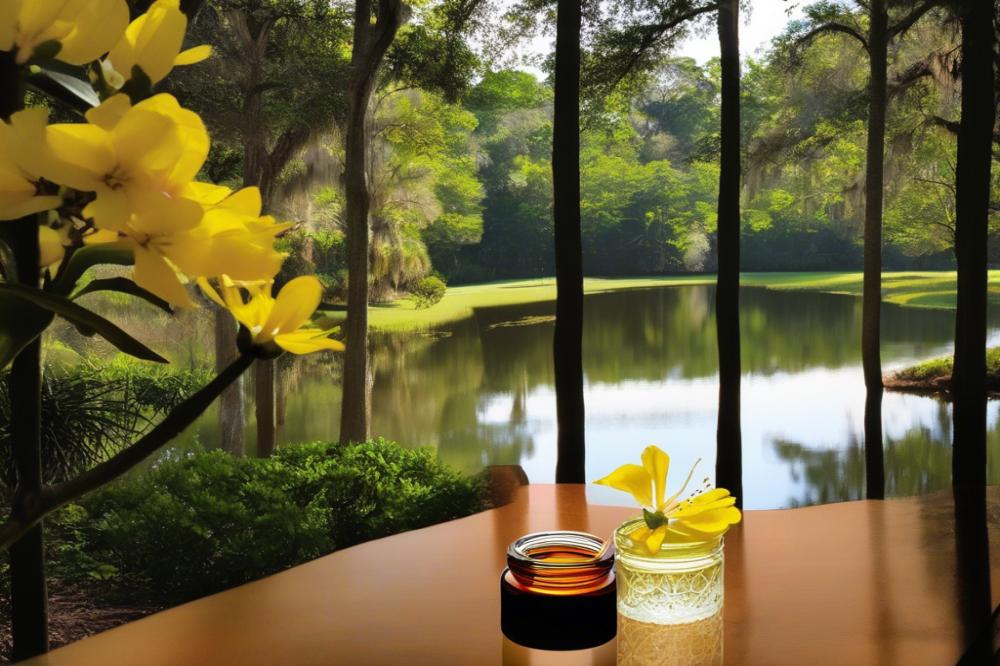
Tupelo honey is often celebrated as a standout among natural sweeteners. This remarkable nectar is harvested from the blossoms of the Ogeechee lime tree, which thrives in the wetlands of the Florida swamps. The dedicated craft of beekeeping produces this golden liquid, making it a sought-after item in gourmet food circles. Many people appreciate not just its sweet flavor but also the health benefits associated with this small-batch honey.
Description of Its Unique Flavor and Color

This honey boasts a light amber hue, setting it apart visually from other varieties. Its flavor profile offers a gentle sweetness, accompanied by subtle hints of floral notes. This distinct taste comes from the nectar sourced from the Ogeechee lime tree blossoms, which bloom briefly each spring. Because of its flavor and color, it is often labeled liquid gold, a fitting term for such a prized product.
Connection to the Swamps of Florida and the Ogeechee Lime Tree

The region’s rich wildlife habitat plays a crucial role in the honey’s production. Beekeepers rely on the abundant flowers of the Ogeechee lime tree, which grow well in the swampy environment. This connection not only supports local ecosystems but also promotes sustainable farming practices. With each jar of Tupelo honey, consumers partake in a tradition that not only highlights the beauty of Florida’s natural landscape but also champions environmentally responsible methods.
The Source of Tupelo Honey
Overview of the Ogeechee Lime Tree and Its Role in Honey Production
The Ogeechee lime tree plays a vital role in honey production. This tree, which thrives in the wet conditions of Florida’s swamps, blooms with flowers that attract bees. The nectar from these flowers is what creates the distinctive flavor of the honey. Beekeepers often place their hives near these trees during the blooming season to maximize production. This natural sweetener is renowned for its high fructose content, making it less likely to crystallize. As a result, it remains liquid and smooth, which is why many people refer to it as liquid gold.
Description of the Environmental Conditions in Florida’s Swamps
Florida’s swamps provide the perfect backdrop for the Ogeechee lime tree. Warm temperatures and abundant rainfall cultivate dense vegetation. This unique ecosystem generates an environment rich in biodiversity. The swampy habitat supports numerous plant and animal species, creating a vibrant ecosystem. These conditions favor the bees, ensuring they have access to ample food sources. beekeeping in such areas requires a keen understanding of the local climate and flora. This knowledge helps beekeepers navigate the challenges and opportunities of honey production.
The Impact of the Wildlife Habitat on Beekeeping Practices
Wildlife habitats influence beekeeping practices in many ways. Often, the diverse flora helps sustain bee populations. Various species of native plants offer nectar and pollen, essential for healthy colonies. Beekeepers must also consider the local fauna. Other creatures can threaten hives, necessitating protective measures. Sustainable farming practices are crucial in these areas to balance pollinator health with ecological responsibility. As a result, beekeeping not only supports honey production but also promotes a healthy environment for wildlife. In essence, Florida’s rich wildlife habitat fosters a unique connection between nature and commerce, highlighting the importance of responsible practices in this gourmet food industry.
Beekeeping and Sustainable Farming
Beekeeping in the production of Tupelo honey presents a blend of traditional and modern techniques. Traditional beekeeping often involves using wooden hives and natural methods. Modern practices may include the use of technology to monitor bee health and hive conditions. Innovations like temperature and humidity sensors help beekeepers manage the colonies more effectively. Understanding these methods is vital for successful honey production.
Sustainable farming plays a key role in the quality of this liquid gold. Healthy ecosystems support bee populations, providing necessary forage and a diverse diet. In Florida, the unique wetlands create a rich wildlife habitat where bees thrive. Farmers who prioritize sustainable methods contribute to preserving these vital environments. They use organic practices to keep crops healthy without harmful chemicals. This commitment enhances both the bees’ well-being and the natural sweetener they produce.
Small-batch honey production emphasizes quality over quantity. Local producers often focus on flavor profiles and the unique characteristics of the region. Each jar becomes a gourmet food item that reflects the landscape and season. In contrast, mass honey production often relies on large-scale operations that may sacrifice quality for sheer volume. This approach can dilute the distinctive flavors. Consumers eager for high-quality products often seek out artisanal options.
The health benefits linked to honey also deserve attention. This sweetener offers natural antioxidants, which can boost overall health. By choosing small-batch honey, people can support local economies while enjoying a healthier alternative. Additionally, a diverse foraging landscape promotes bees’ health and enhances honey’s unique properties. When farming is approached sustainably, everyone benefits—from the bees to the buyers.
The cultivation of the Ogeechee lime tree further exemplifies the harmony between bees and local farming. This tree produces flowers that are particularly attractive to honeybees. As a result, it helps ensure successful foraging opportunities for the bees. In return, the trees benefit from pollination, leading to better fruit production. The cycle of life is evident in sustainable practices that honor both the land and its creatures.
Health Benefits of Tupelo Honey
This sweet treat is often referred to as liquid gold. It comes from the nectar of the Ogeechee lime tree, which grows in the swamps of Florida. Beekeeping is crucial for creating this type of honey, as bees gather pollen from these specific trees. Its distinct flavor and light color make it a favorite among honey enthusiasts and chefs alike.
Nutritional profile and natural health benefits of Tupelo honey
This honey is not just delicious; it also boasts impressive health benefits. Packed with antioxidants, it helps protect the body from damage caused by free radicals. Its low glycemic index makes it a safer natural sweetener compared to regular sugar. Many people turn to it when looking to control their blood sugar levels. Additionally, it has anti-inflammatory properties that may assist with various health issues.
Comparison with other types of honey
When comparing Tupelo honey to more common options like clover or wildflower, it stands out in taste and benefits. Clover honey is often sweeter, making it less suitable for those with dietary restrictions. The unique composition of Tupelo honey means it retains its flavor longer without crystallizing. This attribute keeps it a preferred choice for culinary applications, enhancing dishes rather than overpowering them.
Uses in wellness and culinary applications
In wellness practices, this honey is often used in home remedies. Some believe it can soothe sore throats and help with allergies. It can also be a delightful addition to herbal teas or smoothies. Culinary experts appreciate its mild yet distinctive taste, using it as a drizzle over gourmet food or as an ingredient in dressings. Small-batch honey producers emphasize sustainable farming practices, highlighting the importance of maintaining wildlife habitat while they harvest the precious liquid gold.
Culinary Uses and Gourmet Appeal
The allure of Tupelo honey, often referred to as liquid gold, goes well beyond its beautiful amber color. This natural sweetener is prized among chefs and food enthusiasts for its distinct flavor profile, which adds depth to various culinary creations. Unlike other types of honey, it has a fruity and buttery taste that pairs delightfully with a range of ingredients.
Pairing Suggestions and Recipes Featuring Tupelo Honey
In the kitchen, this honey shines when drizzled over cheeses. A creamy goat cheese, for example, pairs remarkably well with its rich notes. Adding a sprinkle of nuts enhances this combination, creating a delightful appetizer. Additionally, mixing it into salad dressings introduces a lovely sweetness that balances acidity.
Another exciting way to use this ingredient is in marinades. Combining it with soy sauce and garlic creates a glaze for grilled meats. Such dishes are often a hit at summer barbecues, where the honey brings sweetness countering savory flavors. For a dessert twist, it’s perfect in baked goods. Replacing sugar with this sweetener in recipes for muffins can elevate the flavors.
Why Chefs and Food Enthusiasts Value Tupelo Honey
It has earned its place as a gourmet food item thanks to its limited production. Harvested from the blossoms of the Ogeechee lime tree, the beekeeping techniques needed for optimal honey production require careful attention. Sustainability plays a crucial role, as the practices involved help maintain the wetlands, serving as a vital wildlife habitat. This commitment to sustainable farming resonates deeply with consumers who prioritize environmentally friendly choices.
Health benefits also contribute to its popularity. Antioxidants present in this honey have captured the interest of those seeking nutritious alternatives. Its lower glycemic index compared to other sweeteners makes it a preferable option for many. Chefs in high-end restaurants often choose this product to satisfy health-conscious diners while delivering unparalleled flavor.
Ultimately, unique flavors and sustainable practices make Tupelo honey a coveted ingredient in the culinary world. Small-batch honey production enhances quality, ensuring each jar contains the essence of its swampy origins. As more chefs and home cooks discover its potential, the appreciation for this special honey continues to grow.
Final Thoughts
Tupelo honey stands out as a treasure from the swamps of Florida. This liquid gold offers much more than a sweet addition to meals. It plays a significant role in beekeeping, directly benefiting local ecosystems and supporting the vital work of pollinators. As the bees collect nectar from blossoming tupelo trees, they help sustain the delicate balance of their environment.
Health enthusiasts praise its potential benefits. Many consider it a natural remedy due to its low glycemic index. Unlike other sweeteners, it may provide sustained energy without spikes in blood sugar. Culinary enthusiasts alike enjoy its distinct flavor, enhancing recipes from simple teas to gourmet dishes.
Exploring the wonders of tupelo honey allows us to appreciate the hard work of beekeepers and the unique ecosystem of Florida’s wetlands. Each jar reflects a natural process that requires patience and dedication. Whether you are drizzling it over biscuits or using it in salad dressings, trying this honey can be an enriching experience.
In conclusion, consider adding this delicious honey to your pantry. Embrace the opportunity to explore its flavor profile and health benefits. When you choose tupelo honey, you support local farmers and celebrate the connection between nature and our food. It’s a small choice that makes a big difference.