
Introduction
beekeepingworld.online/greek-thyme-honey-an-aromatic-mediterranean-delight-from-rugged-hillsides”>Slovenia is renowned for its deep-rooted tradition of beekeeping, a practice that spans centuries. The country boasts a diverse landscape, providing rich habitats for bees. Local beekeepers have developed a strong connection to their craft, emphasizing sustainable practices that respect nature and foster healthy ecosystems. This artistry has led to the production of some of the finest honeys in Europe.
Among these, chestnut honey stands out as an artisanal treasure. Its bold flavor offers a striking contrast to traditional honey varieties. This nectar, gathered from chestnut blossoms, is celebrated for its distinctively bitter undertones and complex taste profile. Those familiar with it often describe the experience of tasting it as both memorable and enlightening, highlighting the unique floral notes that emerge with every spoonful.
chestnut honey has earned a rightful place in discussions about the best honeys globally. It is recognized not only for its flavor but also for its potential health benefits. People seeking natural remedies often turn to this honey for its rich antioxidants and potential medicinal properties. In a world increasingly focused on organic and locally-sourced products, Slovenian chestnut honey exemplifies quality and dedication to the craft.
The Unique Characteristics of Chestnut Honey

The first thing many people notice about chestnut honey is its bold flavor. This nectar stands apart from traditional honey varieties. While most honeys are sweet and mild, this one offers a pronounced bitterness that intrigues the palate. The taste is robust, making it a fascinating choice for those who enjoy artisanal products.
Besides its flavor, this honey carries distinctive sensory attributes. Floral notes are subtle yet complex, hinting at the chestnut trees from which the bees collect pollen. Some describe the aroma as earthy, with a hint of woodiness. These qualities enhance the overall experience, making it more than just a sweet treat.
Creating this honey requires skill and knowledge of beekeeping practices. Beekeepers use sustainable methods to protect their hives and the environment. The process not only guarantees a quality product but also supports biodiversity. By choosing this particular nectar, consumers often feel they are contributing to health benefits, both for themselves and the planet.
When compared to European honey, chestnut honey stands out distinctly. Many traditional options tend to be less complex, usually featuring straightforward sweetness and mild flavors. In contrast, the boldness of chestnut honey excites the taste buds and invites exploration. Each spoonful can evoke curiosity, prompting new culinary adventures.
Its unique character makes this honey a special addition to kitchens everywhere. It pairs beautifully with cheeses and enhances various dishes. This nectar can also be used in baking, bringing depth to recipes like gingerbread or spiced cakes. For those seeking an adventurous flavor, chestnut honey offers an exciting alternative to ordinary honey varieties.
The Nectar Source and Beekeeping Practices

In Slovenia, chestnut trees play a crucial role in honey production. During late spring and early summer, these trees bloom, releasing a rich nectar. This nectar attracts bees, who work tirelessly to gather it. The bold flavor of the resulting honey is distinct, often with a hint of bitterness. Many appreciate this unique characteristic, which sets it apart from traditional honey varieties.
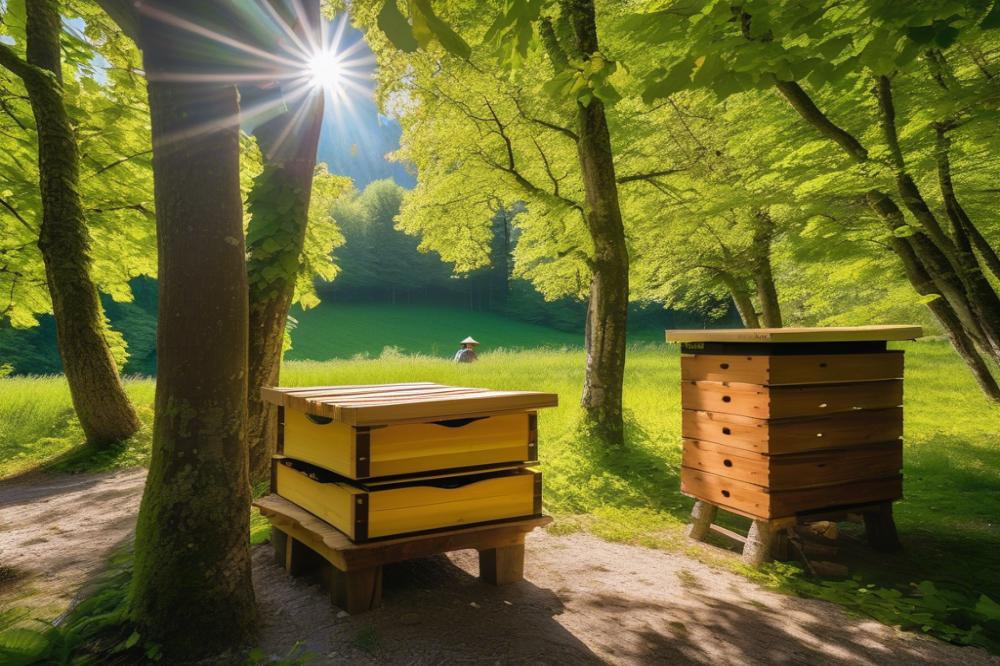
Slovenian beekeeping is steeped in history. Beekeepers here take great pride in their craft, which has been passed down through generations. The country is known for its meticulous methods and deep respect for nature. Artisanal beekeeping techniques focus on maintaining healthy colonies and producing high-quality honey. Some even use wooden beehives that are painted with traditional designs, enhancing the cultural aspect of their practice.
Sustainability is a core value in Slovenian honey production. Beekeepers often implement practices that support environmental health. These include crop rotation and maintaining diverse flora for bees. Such efforts benefit both the land and the bee population. The health benefits of chestnut honey are another reason for its popularity. Many believe it boosts immunity and has anti-inflammatory properties, alongside its pleasant floral notes.
When it comes to European honey, Slovenia stands out. The country’s commitment to beekeeping and ecological balance means that consumers can feel good about their choices. Beekeepers also often participate in educational programs. They aim to raise awareness about the importance of pollinators and the threats they face. Protecting these insects is vital for biodiversity and food production.
Health Benefits of Chestnut Honey
This particular nectar offers more than just a bold flavor. It boasts an impressive array of medicinal properties. Studies highlight that this honey can aid in various health aspects. For instance, it possesses antibacterial qualities, which may support wound healing and respiratory health.
Nutritionally, the profile of chestnut honey reveals a high content of essential nutrients. Rich in vitamins and minerals, it serves as a good energy source. Antioxidants found in this honey promote overall well-being by combating harmful free radicals. In addition, its low glycemic index can be beneficial for maintaining stable blood sugar levels.
In Slovenia, traditional uses of this artisanal product extend beyond mere consumption. Often, locals incorporate it in herbal remedies. It is frequently mixed with herbal teas to enhance flavor and provide additional health benefits. Beyond its borders, people from various cultures recognize its unique qualities. Many appreciate it for its earthy undertones and floral notes.
The beekeeping methods used to harvest this honey are deeply rooted in sustainable practices. Producers prioritize the health of their bee populations, ensuring that the environment remains balanced. This dedication not only supports biodiversity but also results in high-quality European honey. As a result, those who embrace it contribute to a legacy of ethical production.
Artisanal Production and Market Presence
Insights into artisanal honey production in Slovenia reveal a dedicated community of beekeepers. Crafting this nectar requires knowledge passed down through generations. Small-scale producers play a crucial role in keeping traditional honey-making alive. Their commitment to sustainable practices ensures the environment thrives alongside their bees.
Much of the production happens in family-run apiaries. These artful operations focus on quality over quantity. The result is a distinctive product that stands out in local markets. Farmers’ markets are popular spots where consumers can find rich jars directly from the producers.
Local shops proudly showcase their offerings. With a strong connection to the land, these vendors promote the health benefits of Slovenian honey. Some even highlight floral notes that arise from specific types of blossoms. The bitter, bold flavor attracts many who prefer something different from ordinary sweet honeys.
Promotion of Chestnut Honey on the European Honey Stage
Slovenia has begun to gain recognition on the European honey stage. Exhibitions and fairs often feature this unique nectar, showcasing its rich characteristics. Beekeeping enthusiasts appreciate the artisanal quality that distinguishes this product from mass-produced honey.
To attract attention, producers share their stories. They emphasize the careful attention involved in each step of the process. Their passion shines through during tastings and events, captivating both locals and visitors alike. This approach helps elevate the perception of Slovenian honey in international markets.
As awareness grows, so does the demand for this flavorful treat. New opportunities arise for small producers to export their craft. Navigating this competitive landscape requires savvy marketing and a deep understanding of their audience. Balancing tradition with modern techniques stands as a key challenge for these artisans.
Reflecting on Slovenia’s Bold Nectar
Recapping Slovenia’s chestnut honey reveals a world of flavor that is as rich as the country’s beekeeping heritage. This distinct nectar is not just a sweet treat; it tells a story. The deep, robust flavor appeals to those seeking something beyond ordinary honey. It stands out in both local markets and on global shelves. Each drop carries the essence of Slovenia’s chestnut trees, nurtured by the land and the skill of local beekeepers.
Significance extends beyond taste. This honey supports biodiversity and encourages sustainable practices. It also adds value to regional agriculture. Artisan producers play a crucial role in this story. Their dedication comes through in every jar. Supporting them means preserving traditions and promoting eco-friendly farming.
Final thoughts highlight a call to action for consumers. Appreciating local honeys fosters a deeper connection to the food we eat. This simple gesture can contribute to larger environmental goals. Being mindful of what we choose creates impact. By choosing handmade products, we help sustain family-run businesses. Together, we can celebrate the remarkable flavors of the world, starting with a taste of Slovenia’s treasures.