
The Rarest and Most Expensive Sidr honey of Yemen
Overview of Sidr honey
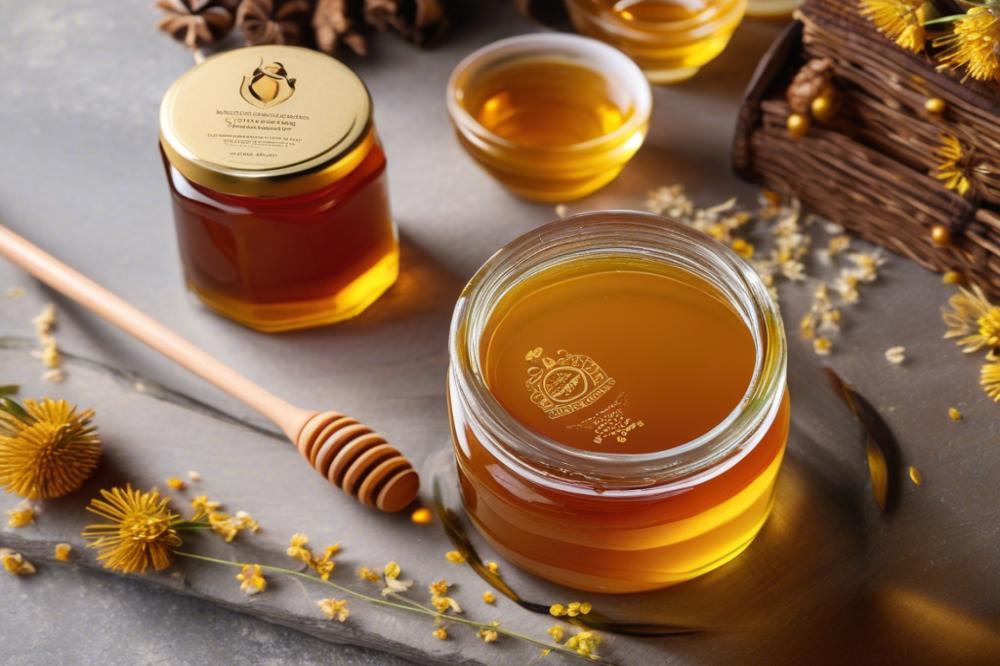
Sidr honey is a product treasured for its unparalleled qualities. It comes from the nectar of the Sidr tree, which flourishes in Yemen’s rugged landscapes. This honey is more than just a natural sweetener; it is a symbol of cultural richness and tradition. Bees that gather nectar from Sidr trees create a unique flavor profile that attracts gourmet food lovers worldwide.
Importance in the Gourmet Food Market
In the world of fine dining, Sidr honey holds a prestigious place. Chefs appreciate its distinctive taste and numerous health benefits. This luxurious item is not only enjoyable but can also elevate various dishes. From drizzling over cheese to sweetening teas, it adds an exquisite touch. Gourmet food enthusiasts seek it out, driving its demand. As a result, it has become a sought-after ingredient in upscale culinary experiences.
Rarity and Expense
This honey is among the rarest honey varieties, primarily due to its limited production. The bees producing it can only gather nectar from Sidr trees during specific seasons. Harvests may fluctuate, significantly impacting availability. Consequently, this scarcity causes prices to climb, making it one of the most expensive honey options available. Yemeni Sidr honey’s blend of medicinal properties adds to its allure. Buyers often consider the investment worthwhile for its taste and health-enhancing qualities.
Understanding Sidr Honey
Definition and Origin
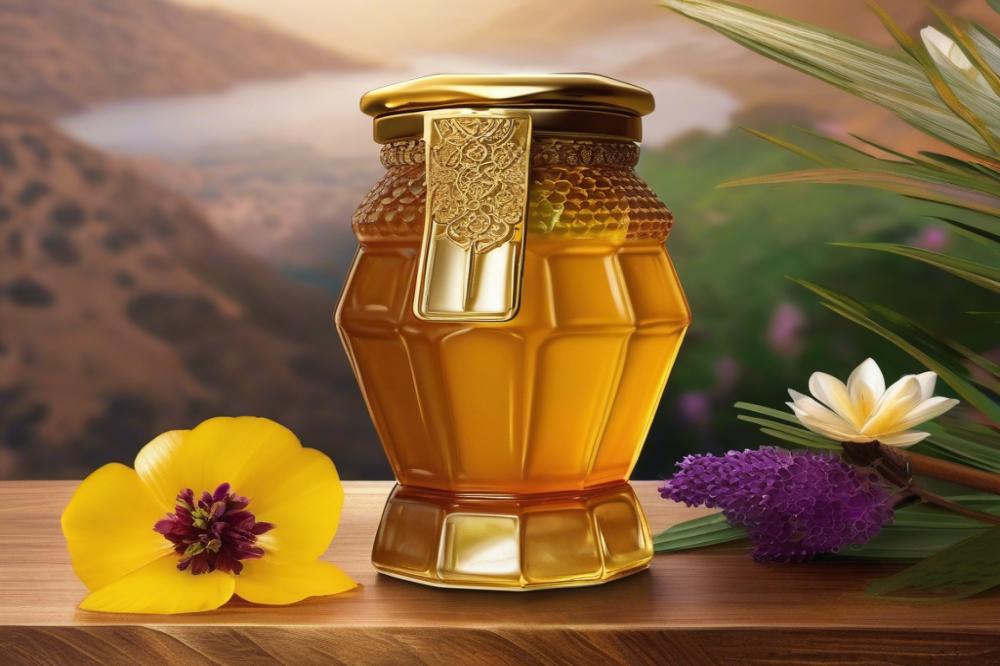
Sidr honey is a special type of honey produced from the nectar of the Sidr tree, also known as the Lotar tree. This tree thrives in regions of Yemen, particularly in areas like Hadramout and Al Mahwit. Beekeepers carefully collect nectar from flowers of the Sidr tree, ensuring high-quality honey. This product is considered one of the rarest and most expensive honey varieties globally.
Characteristics of Sidr Honey
Known for its rich flavor, Yemeni Sidr honey has a golden-brown color. Its taste balances sweetness with a hint of bitterness, offering a unique experience for those who try it. Additionally, this organic honey boasts significant health benefits. Many people value its medicinal properties, including its ability to soothe sore throats and improve digestion.
The Significance of the Sidr Tree in Yemen
The Sidr tree holds great cultural and economic importance in Yemen. It is not only a source of nectar but also provides shade and timber for local communities. Farmers often plant these trees near their beehives. This strategic placement enhances honey production and ensures better yields. The connection between the Sidr tree and local traditions makes it a vital part of Yemeni life.
Comparison with Other Types of Honey
When compared to other honey varieties, Sidr honey stands out. Its rarity and price elevate it into the luxury food category. Many honeys might offer sweetness, but few deliver such depth of flavor and health advantages. Unlike standard honey, Sidr honey is considered a gourmet food item. While other types may be widely available, quality Sidr remains hard to find. Collectors and food enthusiasts search for this rare treasure, willing to pay a premium for its exceptional characteristics.
The Rarity of Sidr Honey
Several factors contribute to the rarity of this unique product. Yemeni Sidr honey is produced exclusively in specific regions of Yemen. The trees that produce the flowers for this honey flourish in limited geographic areas. These zones, often in remote mountains, are not easy to access. Additionally, the demand for this gourmet food far exceeds what can be harvested.
Environmental conditions play a significant role in honey production as well. Bees require stable climates to thrive while gathering nectar. Extreme weather can disrupt their activities and impact the yield of honey. Drought, for instance, can reduce the flowering of Sidr trees, resulting in less honey. This delicate relationship between the trees and honey bees makes production unpredictable.
When comparing rare honeys globally, Sidr honey stands out as one of the rarest and most expensive honey types available. Other countries produce exquisite options, such as Manuka honey from New Zealand. However, few can match the special characteristics of Yemeni Sidr honey. This honey is highly prized for its health benefits and exceptional taste. Collectors and enthusiasts often seek out this organic honey as a luxurious natural sweetener.
Medicinal properties also add to its value. Many believe that Sidr honey can promote healing and boost immunity. Such claims attract buyers who are interested in the wellness aspect of gourmet food. Each jar not only serves as a flavor enhancer for dishes but can also play a role in overall health. This combination of rarity and benefits makes it a coveted item.
The Expense of Sidr Honey
The price of Yemen’s Sidr honey can reach astonishing levels. A single jar often sells for hundreds of dollars. Prices may vary based on several market factors, including demand and production levels. Collectors and health enthusiasts both seek this rarest honey, driving its price upwards.
Reasons for High Cost
Limited production contributes significantly to the expense. This honey comes from Sidr trees, which grow in specific regions of Yemen. The trees yield only a small quantity of honey each season. High demand also plays a crucial role. Many people are aware of its health benefits, including its rich medicinal properties. Organic honey tends to be more desirable, leading to increased prices.
Comparison with Other Expensive Honeys
When comparing Yemeni Sidr honey to other expensive honey varieties, it stands out. For example, Manuka honey from New Zealand is well-known for its pricing but often does not reach the same heights as Sidr. Other gourmet food products do offer high costs, but few match the prestige of this unique honey. People consider it a luxury food item, cherished for both its flavor and health advantages.
The Luxury Food Status of Yemeni Sidr Honey
This honey’s reputation as a luxurious item makes it more appealing to consumers. Gourmet food enthusiasts often look for special products that offer more than just taste. They desire authenticity and quality, which Yemeni Sidr honey delivers. As a natural sweetener, it adds both flavor and health benefits to various dishes. Moreover, the allure of this honey extends beyond culinary uses; for many, it represents a status symbol in food choices.
Health Benefits and Medicinal Properties
The nutritional value of Yemeni Sidr honey is remarkable. This rarest honey contains natural sugars, vitamins, and minerals. Its composition provides an excellent source of energy. Many people prefer this gourmet food as a natural sweetener.
Health benefits are a major focus for many consumers. Rich in antioxidants, it helps combat oxidative stress and inflammation. These properties make it a powerful ally in promoting overall health. Moreover, the antibacterial properties of this honey are well known. It can fight harmful bacteria, aiding in wound healing and boosting the immune system.
In Yemen, traditional medicine frequently utilizes this luxury food. Locals have used it for centuries to treat various ailments. From digestive issues to skin conditions, the medicinal properties are celebrated in many homes. Interestingly, some recipes for traditional remedies include this honey as a core ingredient.
The growing demand for organic honey appeals to health-conscious consumers. Many seek out products that are rich in nutrients and free from chemicals. This honey stands out with its organic certification, making it even more desirable. As people become more aware of their health, the appeal of Sidr honey only increases.
This expensive honey is not just a treat; it’s a lifestyle choice for many. Those who appreciate gourmet food often admire its unique flavor profile and health advantages. Overall, Yemeni Sidr honey represents more than just a product; it embodies a commitment to wellness and quality.
Sidr Honey in Gourmet Cuisine
Culinary applications of Sidr honey extend beyond mere sweetness. Chefs appreciate this rarest honey for its rich flavor profile and thick consistency. It enhances dishes, adding depth to both sweet and savory creations. This organic honey is a favorite among gourmet food enthusiasts who seek high-quality ingredients.
Pairing Sidr honey with foods and beverages can elevate a dining experience. It complements cheeses beautifully, particularly sharp varieties like blue cheese or aged Gouda. Drizzling it over roasted vegetables brings out their natural sweetness. Additionally, teas and herbal infusions benefit from a touch of this expensive honey, enhancing both flavor and aroma.
Luxury dining experiences often feature Sidr honey as an essential ingredient. Its unique taste and health benefits make it a desirable addition. Many upscale restaurants use it as a finishing touch, appealing to taste and aesthetics. Diners find pride in enjoying such a high-end, natural sweetener that is also packed with medicinal properties.
This Yemeni Sidr honey has gained global recognition among chefs around the world. Many culinary professionals cherish it for its rarity and exceptional quality. Food enthusiasts travel far to experience this delicacy, further contributing to its status. As chefs continue to embrace this luxurious ingredient, the popularity of Sidr honey will likely grow, underscoring its place in fine cuisine.
Honey Production in Yemen
Yemen has a rich history of honey production, deeply rooted in its culture. Traditional methods of beekeeping have been passed down through generations. Local beekeepers often use clay hives, a technique that reflects age-old practices. Harvesting is done carefully, ensuring minimal disturbance to the bees.
The role of beekeeping is significant in Yemeni society. Honey is not just a food; it represents heritage and tradition. Many families rely on it as part of their livelihood. In some areas, the craft of honey making is celebrated and cherished, symbolizing community and resilience. Sidr honey is especially revered for its unique flavor and health benefits. People often choose it as a natural sweetener for various dishes or as a remedy for ailments.
However, honey producers face numerous challenges. The ongoing conflict in Yemen disrupts production and distribution. Farmers often struggle with limited resources and damaged infrastructure. Additionally, pests and diseases threaten bee populations, impacting overall output. These factors make achieving quality honey more difficult.
Climate change poses another significant threat. Shifts in weather patterns affect flowering plants crucial for honey production. Bees rely on these plants for sustenance. Droughts and extreme temperatures can lead to smaller harvests. Maintaining the quality of this rarest honey becomes increasingly challenging under such conditions. As these factors unfold, the demand for organic honey only grows. Consumers appreciate its medicinal properties, causing prices to rise. Yemeni Sidr honey is now considered a gourmet food and is often found in luxury food markets worldwide.
Wrapping Up the Journey into Yemen’s Rarest Honey
The significance of Sidr honey extends beyond its taste. It holds a place in culture, tradition, and health. People view this product as more than just a sweetener. It is often seen as a remedy with various benefits. This honey is prized for its anti-inflammatory and antimicrobial properties. Such qualities have captured the interest of many around the world.
Balancing rarity and expense is crucial when discussing this special honey. It is not just costly; it is the rarest honey available. High demand from health enthusiasts and culinary experts drives prices higher. Many consumers are willing to pay a premium for a jar in hopes of experiencing its full benefits. Accessibility, however, remains a challenge. Conservation efforts and the preservation of traditional harvesting methods will play a critical role in sustaining production.
The future of this expensive honey looks promising in the global market. As awareness grows, more individuals are seeking quality foods that offer health advantages. Countries outside of Yemen are starting to recognize its value. International trade opportunities may expand, and that could benefit local producers. If done correctly, this could lead to better livelihoods for these communities.
In summary, Yemen’s unique honey not only tastes great but also offers essential health benefits. Its rarity and high price make it special. As demand grows, it is crucial to consider sustainability. The next few years may reveal how this delicacy will thrive outside its homeland.