
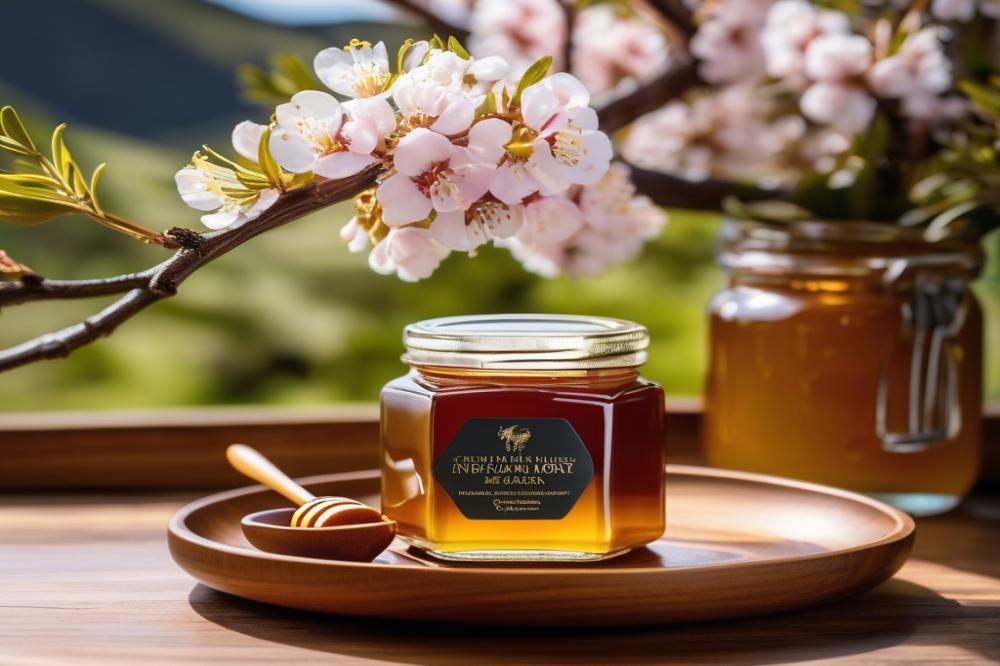
The Exquisite Manuka honey of New Zealand
New Zealand is home to a remarkable treasure known for its extraordinary health benefits. This honey, produced by honey bees that pollinate the Manuka tree, has garnered a reputation as one of the finest types in the world. Its unique flavor and rich texture make it a sought-after delicacy, but it is the remarkable medicinal properties that truly set it apart.
The origins of Manuka honey trace back to the Māori people, who have long revered it for its natural healing abilities. Traditional knowledge of this botanical resource emphasizes its role as a natural remedy, utilized for various ailments. Wound healing and soothing inflammation are just a couple of its impressive features. Rich in antimicrobial properties, this honey is often used to combat infections and promote overall health.
Scientific research has highlighted the presence of methylglyoxal (MGO) and the Unique Manuka Factor (UMF), both of which contribute to its efficacy. These compounds boost its ability to provide nutritional support beyond standard sweeteners. In an age where natural remedies gain increasingly more attention, Manuka honey stands out not only for its flavorful profile but also for the history and culture surrounding it. As one delves into its benefits, the testimony of those who have relied on its healing powers over centuries becomes evident.
Understanding Manuka Honey

Manuka honey is a special type of honey that comes from New Zealand. Honey bees collect nectar from the flowers of the Manuka tree, which is native to this region. This distinctive honey has gained popularity due to its many health benefits and unique properties.
The bees play a crucial role in producing this sweet substance. They gather nectar from the Manuka blooms and bring it back to their hives. Enzymes in the bees’ saliva help convert the nectar into honey. This process creates a thick, rich product known for its medicinal qualities.
Botanically, the Manuka tree, or Leptospermum scoparium, thrives in the rugged landscapes of New Zealand. This environment contributes to the high quality of the honey. Factors like soil type, climate, and altitude work together to create the perfect conditions for the Manuka tree. These elements enhance the honey’s composition and boost its nutritional content.
One of the most remarkable characteristics is its antimicrobial properties. Research highlights that this honey can help with wound healing and offers anti-inflammatory effects. The Unique Manuka Factor (UMF) rating measures its potency and determines the level of health benefits one can expect. This system provides consumers with an assurance about the quality of the honey they are purchasing.
Consumers often seek this natural remedy for various ailments. The honey can soothe sore throats, support digestive health, and act as a natural antibacterial agent. With its rich flavors and health properties, it’s no wonder that Manuka honey has become a sought-after product both in New Zealand and around the world.
medicinal properties of Manuka Honey

This remarkable honey from New Zealand offers numerous health benefits. Its antimicrobial properties are a key area of interest for researchers and health enthusiasts alike. Studies show that it combats various bacteria effectively, including strains that are resistant to common antibiotics.
One of the most promising applications of this natural remedy lies in wound healing. It not only helps in promoting tissue regeneration but also plays a crucial role in preventing infection. When applied to wounds, its thick consistency forms a protective barrier that keeps harmful bacteria at bay.
What sets this honey apart is its Unique Manuka Factor (UMF), a grading system that measures its antibacterial strength. The higher the UMF rating, the more potent its effects on health. Many choose this as their go-to option for treating wounds and burns due to its combined anti-inflammatory effects. These qualities help reduce pain and swelling, making it easier for the body to heal.
The healing properties of this honey are not limited to wounds alone. It is also known to support overall nutrition and wellness. People often include it in their diets for its potential to boost the immune system. The nutrients found in this honey, along with its unique botanical properties, contribute to its reputation as a superfood.
Beyond its physical applications, it provides a natural solution for everyday ailments. Many individuals turn to it for relief from sore throats or digestive issues. The soothing flavors and texture make it an appealing choice. Honey bees work diligently to create this exceptional substance, drawing from the rich floral variety found in New Zealand’s landscapes.
In summary, the medicinal attributes of this honey are vast and impressive. From its powerful antibacterial qualities to its soothing effects on wounds, it is a remarkable natural wonder. Its role in promoting healing and supporting health reveals why it has become a staple in many homes.
Anti-inflammatory Effects and Nutritional Value
The remarkable properties of Manuka honey from New Zealand go far beyond its delicious taste. Research highlights its potent anti-inflammatory effects, making it a valuable natural remedy for various health conditions. By reducing inflammation in the body, it can boost overall health and potentially alleviate symptoms of chronic diseases.
This honey has demonstrated significant benefits in wound healing. Its antimicrobial action helps prevent infections, paving the way for faster recovery. Packed with diverse nutrients, this honey supports the body in numerous ways.
When examining its nutritional profile, you will find that Manuka honey contains vitamins, minerals, and antioxidants. Vitamins such as B and C provide essential support for the immune system. Minerals contribute to various bodily functions, ensuring optimal energy levels and cellular health.
Antioxidants play a critical role in combating oxidative stress and may help reduce the risk of chronic illnesses. These components work together to enhance the nutritional value of a balanced diet. Regular consumption can contribute to wellness by providing essential nutrients often lacking in modern diets.
Additionally, the Unique Manuka Factor (UMF) rating reflects the honey’s potency. Higher UMF levels indicate stronger antibacterial properties, making it particularly beneficial for health-conscious individuals. The distinctive nature of this honey results from the nectar collected by honey bees from the Manuka tree, showcasing a fascinating connection between nature, nutrition, and health.
Unique Manuka Factor (UMF) Certification
The Unique Manuka Factor, or UMF, is a grading system specifically for Manuka honey from New Zealand. This certification measures the concentration of certain beneficial compounds in the honey. It reflects both the quality and potency of what is often regarded as a natural remedy for various health issues.
Consumers should look for the UMF label on honey jars. The label will typically feature a number, which can range from 5 to 20 or more. A higher number indicates a stronger antimicrobial effect and better wound healing properties. When shopping, be cautious of products that do not display this certification, as they may not possess the same health benefits.
UMF serves a vital role in distinguishing authentic Manuka honey from other types. Many honey varieties can claim to be “manuka,” but only those with UMF certification meet strict testing standards. This ensures customers receive the genuine article, known for its anti-inflammatory properties and nutritional value.
Understanding the importance of UMF can help consumers make informed choices. Honey bees gather nectar from the Manuka plant, which enhances these jars of honey with special qualities. Thus, checking for UMF grades allows individuals to select products that will likely provide the most significant health benefits.
Manuka Honey as a Natural Remedy
For centuries, the indigenous Māori people of New Zealand have utilized a special kind of honey known for its unique health benefits. This honey, produced by honey bees foraging on the manuka tree, holds a prominent place in holistic and alternative medicine. Its power lies in its extraordinary antimicrobial properties and its ability to support overall wellness.
Many people turn to this natural remedy for various ailments. Digestive issues often benefit from its soothing effects. Conditions like gastritis and acid reflux may improve with regular consumption. Some users report less discomfort after integrating the honey into their diets. Alongside these claims, numerous testimonials provide evidence of its effectiveness.
Skin conditions can also see positive results with this remarkable substance. With its wound healing and anti-inflammatory characteristics, applying it topically on cuts, burns, or acne can hasten recovery. People suffering from eczema and psoriasis often share stories about how this honey alleviates itching and irritation. Its UMF (Unique Manuka Factor) rating often serves as a guide for effectiveness, with higher numbers reflecting better antimicrobial activity.
Additionally, immune support is another area where this natural remedy shines. Incorporating it into daily nutrition may offer a boost, especially during cold and flu season. Anecdotal evidence suggests that people who consume regular doses tend to experience fewer illnesses. Many families have made it a part of their wellness routine, believing its properties help fend off sickness.
In contemporary holistic practices, practitioners often recommend this honey as a part of a balanced lifestyle. Herbalists consider its synergy with other botanicals to enhance health benefits. When paired with ginger or lemon in teas, the blend becomes a soothing and potent health tonic.
In summary, the traditional and modern applications of this sweet substance illustrate its potential as a worthwhile natural remedy. Case studies and personal testimonials continue to emerge, reflecting its rising popularity. As a result, people around the globe are taking notice of its medicinal qualities and incorporating it into their lives.
Final Thoughts on Nature’s Treasure
Manuka honey stands out among all varieties for its remarkable characteristics and health benefits. This natural substance is not just any honey; it embodies the essence of New Zealand’s pristine environment. Rich in unique compounds, it has earned acclaim for its ability to promote well-being. Consumers around the world have begun to recognize its potential for various medicinal purposes.
Incorporating this honey into one’s daily routine may boost overall health. Adding it to teas or spreading it on toast can be simple yet effective ways to enjoy its advantages. A blend of taste and benefits makes this honey an appealing choice. An ever-growing body of research supports its medicinal properties, offering hope and healing to many.
The craftsmanship behind Manuka honey production reflects a commitment to quality. Beekeepers in New Zealand work diligently to maintain the integrity of this exquisite product. Respect for nature and the meticulous process of harvesting contribute to its outstanding reputation. Those who appreciate natural remedies will find much to love in this golden liquid.
Consider trying Manuka honey for yourself. You may discover a new favorite addition to your health regimen. A world of flavor and wellness awaits, making it a top choice among honeys globally. Your journey towards better health may be just a spoonful away.