
Overview of honey‘s Global Significance
Honey has held a vital place in cultures around the world for centuries. It serves not just as a sweetener but also plays a role in many traditional remedies. The different types of honey reflect the unique floral sources from which they are derived. This global substance is appreciated for its taste and recognized for its medicinal properties. It has been used in various communities for healing and spiritual purposes, emphasizing its importance in daily life.
Discovering Wild Himalayan Honey

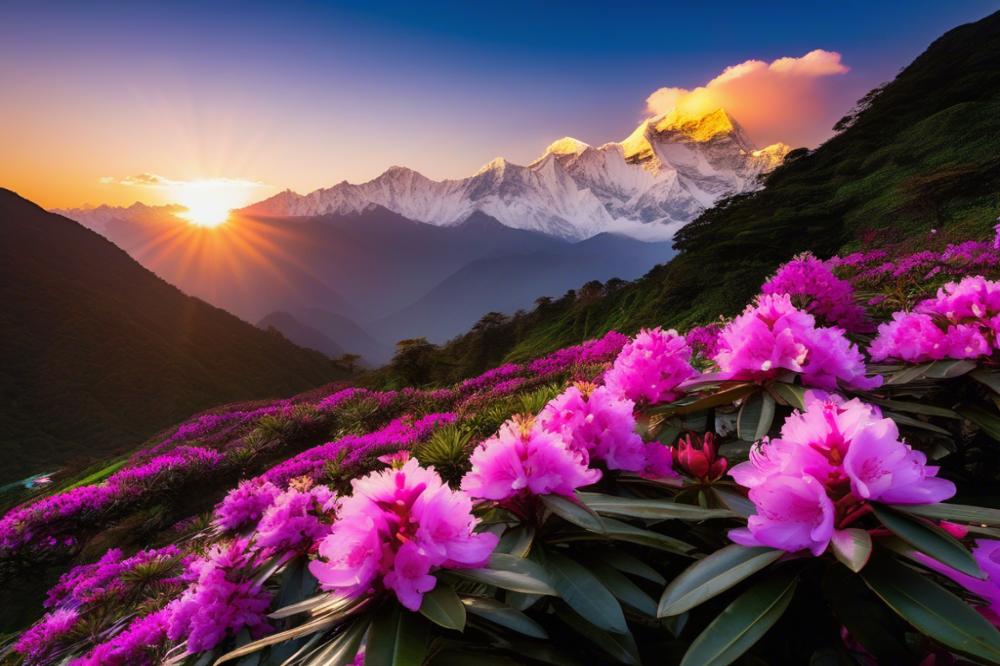
Known for its mystical qualities, Wild Himalayan Honey is unlike any other kind. This honey is harvested from bees feeding on the nectar of high-altitude flora, especially the Rhododendrons found in the rugged landscapes of Nepal. The flavors present in this honey are deeply influenced by the region’s diverse ecosystem. This honey is not just a food item; it embodies the cultural and natural heritage of its surroundings. Locals believe in its potent medicinal properties, which further enhances its value.
Significance of Nepal‘s Biodiversity
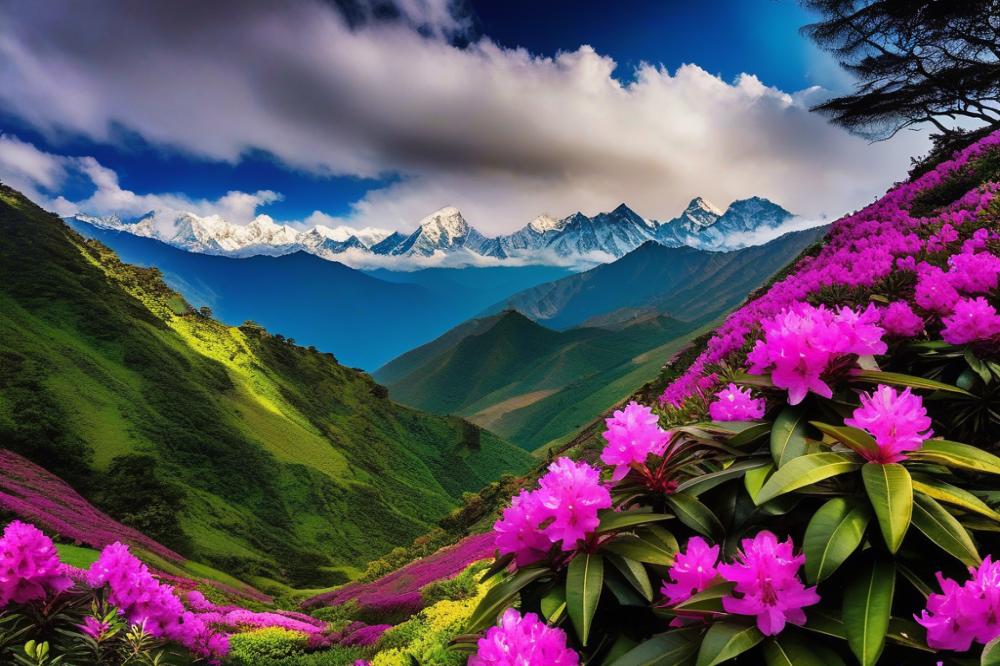
Nepal is a treasure trove of biodiversity, home to an array of flora and fauna. This rich biological variety significantly influences honey production throughout the region. Diverse plants provide bees with numerous nectar sources, allowing for the creation of distinct and flavorful honeys. The unique ecological impact of this biodiversity is evident in the quality of honey. Traditional uses of honey in local cultures underscore its significance as both food and medicine. Techniques like honey hunting and sustainable beekeeping play a crucial role in preserving this important resource. Engaging with nature’s bounty, many communities benefit economically while nurturing the environment.
What is Wild Himalayan Honey?
Wild Himalayan honey is a rare treasure harvested from the lofty mountains of Nepal. This specific type of honey originates from the nectar of vibrant Rhododendrons, which grow abundantly in the region’s rich biodiversity. Beekeepers undertake the challenging task of honey hunting, climbing steep cliffs and navigating rugged terrain to collect this prized product. The process is not just about gathering honey; it is an adventure steeped in tradition and culture.
The Role of Rhododendrons in the Honey-Making Process
Rhododendrons play a crucial role in the creation of this honey. These colorful flowers bloom in the spring when the bees are most active. The nectar from the blossoms provides the bees with the essential sugars they need. As they gather nectar, the bees also collect pollen, thereby contributing to the flora’s reproduction. This relationship supports the ecological balance of the Himalayas, making the rhododendrons more than just pretty plants; they are essential for the ecosystem.
Characteristics That Differentiate It from Other Honey Types
Several characteristics set this honey apart from other varieties. Its flavor profile often includes notes that are floral and slightly tangy, influenced by the local flora. The honey’s color can vary from pale amber to darker shades, reflecting the diverse plant life in the area. Additionally, many claim that it possesses medicinal properties. It is believed to help with digestion and respiratory issues, which contributes to its popularity among locals. Unlike common commercial honey, this product is harvested in a more organic manner, preserving its natural qualities.
In essence, wild honey offers not only sweetness but also insight into the rich traditions of Nepalese culture. Its production is a blend of natural processes and ancient practices, making it a truly special addition to any pantry.
Ecological Impact of Wild Himalayan Honey
Bees play a vital role in maintaining biodiversity across various ecosystems. They pollinate countless plants, helping to sustain healthy growth rates among floral species. In Nepal, the presence of these hardworking insects contributes to a delicate balance within diverse habitats. Without bees, many plants would not reproduce effectively, leading to a decline in both flora and fauna.
The honey produced in these high-altitude areas is more than just a sweet treat. It represents a deep connection between the land and its people. Local communities engage in traditional uses of honey, often for its reputed medicinal properties. The unique environment of Nepal creates a rich tapestry of plants that benefit from bee interactions. Each flower visited by a bee helps strengthen the ecosystem significantly.
Honey hunting, a practice steeped in tradition, reflects the harmony between humans and nature. People climb steep cliffs to collect honey, showcasing a remarkable relationship with their surroundings. This ancient practice encourages the preservation of natural habitats, which in turn supports the bees. Beekeeping also flourishes in these regions. It offers economic opportunities while promoting organic products that are in demand globally.
Interestingly, honey production not only sustains the bees but also helps various plants thrive. Nutrient-rich pollen is transported by bees, leading to fertilization and growth. The diverse flora in these areas can be attributed to this ecological impact. When bees thrive, so does the environment. Thus, protecting bee populations is essential for maintaining the health of Nepal’s ecosystems.
Medicinal Properties of Wild Himalayan Honey
Traditional Uses in Local Medicine
Numerous communities in Nepal have relied on honey for its healing properties for generations. Local healers often prescribe it for various ailments. This sweet substance is thought to soothe sore throats and reduce coughs. Additionally, it acts as a natural remedy for wounds, promoting faster healing. People also use it to boost energy and enhance overall well-being. Traditional uses include mixing honey with herbal preparations to create potent treatments. Such practices highlight the deep connection between culture and nature in these regions.
Scientific Studies Supporting Health Benefits
Recent research has begun to substantiate the health claims made by local practitioners. Laboratory studies reveal that this honey possesses antibacterial properties, which can combat harmful bacteria. Some scientists have explored its antioxidant qualities, finding that it helps protect cells from damage. This honey’s connection to rhododendrons contributes to its unique composition, giving it potential benefits not found in other honey types. Researchers are also studying its effects on digestion and inflammation. Although more research is needed, initial findings are encouraging and promising.
Comparison with Other Types of Honey Used for Medicinal Purposes
When compared to other varieties of honey, wild Himalayan honey stands out due to its rich, floral origins. Many conventional honeys lack the depth of nutrients found in Himalayan variations. While clover or wildflower honey is widely used, they do not always boast the same ecological benefits. The flora in the Himalayan region contributes to greater biodiversity, enriching the final product. Honey sourced from beekeeping operations often lacks the organic integrity seen in wild-harvested forms. Therefore, the ecological impact of honey hunting in Nepal is vital. It supports both local livelihoods and the environment, creating a sustainable system.
The Art of Honey Hunting in Nepal
Honey hunting has deep cultural roots in Nepal. For many local communities, this ancient practice is more than just gathering honey. It is a celebration of life and nature. People view honey as a gift from the gods, linking them to their ancestors. Festivals often revolve around the honey hunting season, where stories and traditions are passed down through generations.
Techniques for harvesting honey vary among communities. Some climbers scale steep cliffs to reach hives nestled in high-altitude cliffs. They use ropes and handmade tools, a practice taught by elders. Others may utilize smoke to calm the bees, making the process safer. Local knowledge plays a significant role in these methods, with respect for nature being paramount.
This practice also impacts the environment and local ecosystems profoundly. Honey hunting encourages the protection of biodiversity. Beekeeping supports the health of local flora by assisting with pollination. Communities rely on the bees to thrive, linking their survival to the health of the environment. When done responsibly, honey hunting can provide organic products that sustain both people and wildlife.
Medicinal properties of honey are highly valued in these regions as well. Local herbalists often recommend it for various ailments. This traditional use of honey aligns with modern interest in natural remedies. Communities continue to celebrate their unique relationship with nature and the benefits that come from it.
In Nepal, honey hunting is more than a practice; it’s a way of life. The harmonious balance between people and nature is essential. By engaging in these age-old traditions, local communities help maintain their ecological systems while promoting sustainability.
Beekeeping and Organic Practices in Nepal
In Nepal, beekeeping is a blend of ancient traditions and modern techniques. Local communities have long relied on honey as a source of nutrition and income. Many farmers engage in honey hunting, a practice where they collect honey from wild hives high in the mountains. This method showcases their deep connection with nature and reflects the region’s rich biodiversity and unique flora.
Today, some beekeeping practices emphasize organic products. Farmers avoid harmful chemicals and pesticides, opting for natural methods to protect their bees. This approach not only sustains honey production but also benefits the environment. By promoting healthy ecosystems, these practices contribute to the ecological impact on the region. Bees play a crucial role in pollinating various plants, which is vital for maintaining biodiversity.
There are significant challenges in sustainable honey production. Climate change affects floral blooming times, which disrupts the bees’ foraging patterns. Additionally, accessing remote areas for honey collection can be difficult and dangerous. Yet, these challenges also present opportunities. The demand for organic honey is rising worldwide, and Nepali beekeepers can capitalize on this trend. Educating consumers about the medicinal properties of honey can expand markets and increase profits.
Traditional uses of honey are valued in many Nepalese cultures. Locals consider it not just a food product but also a remedy for various ailments. This cultural appreciation for honey encourages the continued practice of beekeeping in a responsible manner.
Final Thoughts
Wild Himalayan Honey has earned its place as more than just a sweet treat. This natural product is deeply connected to the culture and traditions of Nepal. Beekeepers climb steep mountains and gather honey from hard-to-reach hives. Their age-old methods highlight both skill and a deep respect for nature.
Preserving traditional practices becomes essential to maintaining our biodiversity. As modern processes take over, unique methods of harvesting can easily fade away. Honey production in Nepal not only supports local economies but also protects various species of plants and animals. Rhododendrons flourish in these regions, dependent on the bees that play their part in this ecosystem.
Support for sustainable honey production is crucial. By choosing ethically sourced products, we help keep these traditions alive. Let’s appreciate the hard work of the local communities. Their dedication brings a special flavor to our tables while keeping the delicate balance of nature intact. Together, we can protect this valuable heritage for future generations.