
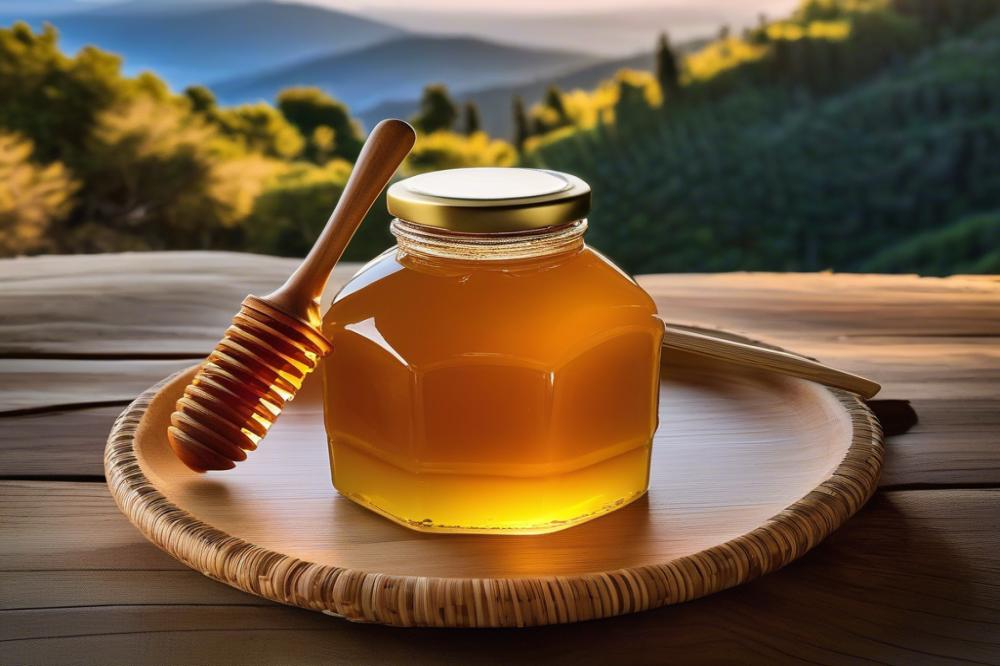
Turkish pine honey: A resinous delicacy from Mugla‘s ancient forests
Discovering the allure of Turkish pine honey reveals a rare treasure from the ancient forests of Mugla. Known for its rich flavor and remarkable character, this honey stands out in a world filled with numerous honey varieties. Beekeeping in this region is not just a practice; it is a part of the cultural heritage. The sturdy pine trees serve as a natural backdrop, enhancing the quality of this distinctive product.
This honey is created through a fascinating process where bees collect resin from the pine trees. The result is a sweet treat with a unique twist, unlike any other honey on the market. Those who savor it often highlight its distinctive taste and the hint of resin that adds depth to its flavor profile.
Mugla’s ancient forests not only contribute to the ecology but also provide a haven for artisans dedicated to honey production. This special bead of nature is not merely a food item; it comes with potential health benefits that entice many consumers. As people shift towards alternative sweeteners, it has earned a place in modern kitchens. From drizzling over yogurt to using it in marinades, its culinary uses are diverse and satisfying.
In addition to its flavor and health advantages, Turkish pine honey plays a vital role in eco-tourism. Visitors flock to Mugla, eager to experience the beauty of the forests and taste this resinous delicacy. Travelers leave with a deeper appreciation for the connection between nature and food. By supporting local beekeepers, they also contribute to sustaining this enchanting environment for generations to come.
The Origins of Turkish Pine Honey
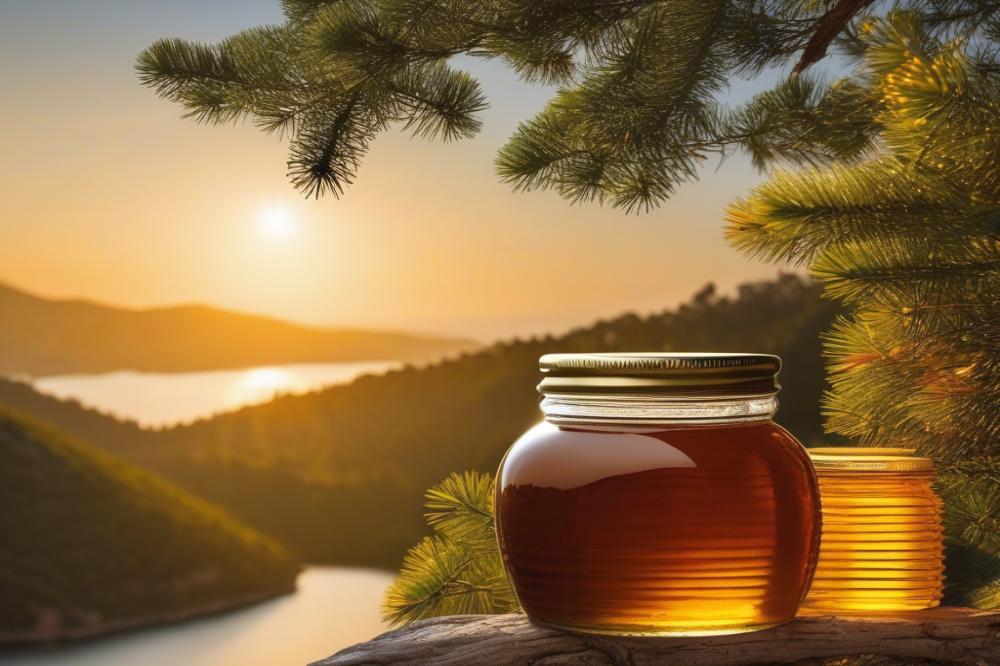
Mugla is a region blessed with stunning landscapes and rich biodiversity. Its ancient forests are home to towering pine trees, which play a crucial role in local ecology. These trees thrive in the Mediterranean climate, characterized by hot, dry summers and mild, wet winters. The unique blend of climate and soil creates an ideal environment for these majestic evergreens.
The relationship between the pine trees of Mugla and honey production is fascinating. Bees are drawn to the sweet, resinous substances secreted by these trees. They collect this resin, which is known as honeydew, and transform it into a captivating natural sweetener. This process gives the honey its distinctive flavor and unique properties. The artisan honey that results is not only delicious but also offers numerous health benefits.
Beekeeping practices in Mugla have deep roots. Local beekeepers have mastered the art of harvesting honey from these unique sources, ensuring quality and sustainability. Their dedication contributes to the region’s economy, while also promoting eco-tourism. Visitors are often eager to explore the lush forests and learn about traditional methods of honey production.
Culinary uses of this honey are diverse and exciting. It can be drizzled over yogurt, used in desserts, or even enjoyed straight from the jar. The resinous flavor adds a special touch to recipes, making it a sought-after ingredient in local cuisine. Its popularity extends beyond the kitchen, as many people appreciate it for its health benefits.
The ancient forests of Mugla not only provide a habitat for wildlife but also support the local culture through beekeeping. This connection between nature and tradition reflects the region’s commitment to preserving its unique resources. As demand for artisan honey continues to grow, the forests remain a vital part of the identity of Mugla.
The Process of Honey Production

Mugla’s ancient forests are home to a fascinating method of honey production. Beekeeping in this region is closely tied to the unique environment of the pine trees. Local bees play a critical role in transforming pine resin into a delightful natural sweetener. During spring and summer, they collect resin from the bark of these trees. This resin contains various compounds, which the bees mix with enzymes from their bodies, creating a product that eventually leads to honey.
Beehives are placed strategically near the pine forests to maximize the foraging opportunities for the bees. The art of managing these hives requires skill and knowledge. Beekeepers need to monitor the health of the colonies and the availability of resin. They assess the temperature, humidity, and overall environment to keep the bees thriving. These practices can include moving hives based on seasonal changes, ensuring bees have access to abundant resources.
Artisan honey producers are essential in this journey. They work tirelessly to maintain the quality and authenticity of the Turkish pine honey. Each producer often has their own techniques and rituals that they follow. While there are standard practices, the best artisans pay attention to the nuances. They conduct careful harvesting to avoid disturbing the bee populations and ensure sustainability.
The benefits of this honey are well-known. People appreciate its distinct flavor and various health benefits, including its antibacterial properties. It is often used in many culinary applications, enhancing dishes with its rich taste. Eco-tourism also plays a part in promoting beekeeping practices, drawing visitors who wish to learn about the harmony between bees and their environment.
It is fascinating how such a small creature contributes to such a significant process. The labor of bees, guided by the expertise of local artisans, forms a relationship that is both productive and respectful. This delicate balance between nature and human involvement creates a product that is celebrated locally and beyond.
Health Benefits of Turkish Pine Honey
This special honey from Mugla boasts an impressive nutritional profile. With its dark color, it indicates a wealth of beneficial compounds. Known for its antioxidant properties, this delight helps combat oxidative stress in the body. Antioxidants play a crucial role in reducing inflammation and fighting various diseases.
Beyond its delightful taste, honey production in Turkey often involves the hard work of dedicated beekeepers. These artisans harness the nectar from the flowers of pine trees, resulting in a product that is both sweet and rich in nutrients. This natural sweetener is not just a treat; it holds potential medicinal uses too.
Research suggests that this honey can aid in digestive health. It has been used traditionally to soothe sore throats and promote healing. For those interested in eco-tourism, learning about the medicinal benefits of honey can deepen one’s appreciation of the products of these ancient forests.
Culinary uses extend beyond sweetening beverages. Chefs often incorporate this honey into marinades or dressings. A drizzle can elevate a simple dish to something extraordinary. Its robust flavor pairs wonderfully with various foods, making it a favorite among gourmet cooks.
Those who appreciate artisan honey understand its value. The unique flavors infused from the surrounding environment contribute to its charm. People are increasingly looking for ways to include more natural products in their diets, and this honey fits the bill perfectly.
Studies have shown that consistent use may lead to improved health outcomes over time. Each spoonful brings the essence of Mugla’s wild landscapes directly to the table. Considered a treasure of the region, it serves both culinary and health purposes. With so many benefits packed into each jar, it truly stands out as a remarkable food source.
Culinary Uses and Pairings
This special honey, sourced from Mugla’s ancient forests, serves as a versatile ingredient in many kitchens. Its rich, resinous flavor makes it a delightful addition to both traditional recipes and modern dishes. Known as a natural sweetener, it enhances the taste of various foods. Chefs and home cooks enjoy using it in marinades and dressings, where its distinct profile can shine.
Pairing this honey with cheese is an excellent choice. Soft cheeses like goat cheese or creamy brie complement its earthiness. Drizzling it over a cheese platter adds a touch of elegance and flavor. For those who prefer something more savory, incorporating it into glazes for roasted meats can elevate the dish. The honey caramelizes beautifully, creating a perfect balance.
Beverage pairings also shine with this resinous delicacy. Mixing it into herbal teas brings warmth and a hint of sweetness. It can enhance the flavor of cocktails as well. Consider a honey-infused whiskey sour, which showcases the honey’s complexity. Alternatively, it can be a sweetener in smoothies, blending seamlessly with fruits like berries and bananas.
In many traditional recipes, this honey plays an important role. Turkish desserts, such as baklava, benefit from its rich taste. It can replace sugar in recipes, adding depth to sweet treats. Moreover, in breakfast dishes, it drizzles beautifully over pancakes, waffles, or oatmeal, bringing a new dimension to the meal.
As health benefits become more recognized, using this artisanal honey in wellness strategies is becoming popular. People often add it to yogurt or use it as a topping for granola. The natural sweetener is not only delicious but also packed with nutrients. This aspect makes it appealing for those looking to boost their health while enjoying flavorful food.
With eco-tourism growing in Mugla, more visitors are discovering the local beekeeping practices, which emphasize sustainability. Many tourists enjoy taking home bottles of this honey, not only as a sweet treat but as a reminder of their culinary experiences in Turkey. Its rising popularity shows how artisan honey production can influence modern diets.
Incorporating this honey into recipes represents a blend of tradition and innovation. As more people explore its unique flavors, creative uses emerge in kitchens around the world. This sweet ingredient is not just a stand-alone product; it inspires culinary adventure and brings a taste of Mugla’s ancient forests into every home.
Eco-Tourism and Sustainable Practices
Mugla’s beautiful landscapes attract many visitors, eager to explore the ancient forests. These dense woods are home to many pine trees that play a vital role in producing a natural sweetener cherished by locals and tourists alike. Honey production here supports eco-tourism, bringing attention to the beauty of the region while promoting conservation.
People visiting Mugla often seek out artisan honey, which has a distinctive flavor and unique qualities. This sweet treat is not just delicious; it also boasts several health benefits. Many tourists want to learn how the bees thrive in the natural environment and how their efforts support local economies.
Sustainable beekeeping practices contribute greatly to the health of Mugla’s ecosystems. Beekeepers in the region are committed to methods that do not harm the environment. They practice rotational apiary techniques, which allow bees to pollinate different areas without depleting any one resource. This helps maintain the delicate balance of the ancient forests.
The rise of eco-tourism has brought awareness to these practices. Visitors often engage in activities that promote sustainability. Educational tours about honey production connect tourists to the landscape and its people. These experiences foster a deeper appreciation for the ancient forests and the importance of preserving them.
Locally run workshops often teach participants about the culinary uses of honey. Guests learn to incorporate this golden liquid in savory dishes and desserts. Such interactive experiences not only enhance one’s culinary skills but also promote respect for the environment and its resources.
Support for sustainable beekeeping is vital in conservation efforts, ensuring the health of both the pine trees and the surrounding flora. Protecting these natural resources helps sustain the delicate ecosystems found in Mugla. Through responsible tourism, visitors can play a role in maintaining the splendor of the region for future generations.
The Lasting Impact of Mugla’s Resinous Delicacy
Turkish pine honey stands as a testament to the rich natural heritage of Mugla’s ancient forests. This resinous delicacy not only captivates the palate but also offers a range of health benefits. Rich in antioxidants, it can help boost the immune system and improve overall well-being. People cherish this honey for its distinct flavor and potential medicinal properties.
Preserving the ecological balance of these forests is vital. Unsustainable practices threaten the unique biodiversity that allows such resources to flourish. Future generations deserve to enjoy this natural wonder. By supporting sustainable beekeeping and conservation efforts, we can protect both the honey and its source.
In the world of gourmet foods, this beautiful product has gained recognition as one of the best honeys available. It is more than just a sweet treat; it represents a cultural heritage deeply rooted in traditional Turkish practices. Therefore, valuing this remarkable honey means valuing the environment that produces it. With increased awareness, we can all partake in the journey of safeguarding these magnificent forests.