
Key Takeaways
- The Tamil Nadu Agricultural University (TNAU) is teaching scientific beekeeping to the tribal community in Palamalai, Coimbatore.
- The initiative aims to enhance the livelihoods of tribal people through modern beekeeping techniques.
- Participants in the program received training on hive management and the benefits of honey production.
- Improved awareness of environmental conservation and pollination has been a significant focus of the training.
- The project aims to empower local tribes economically and socially through sustainable practices.
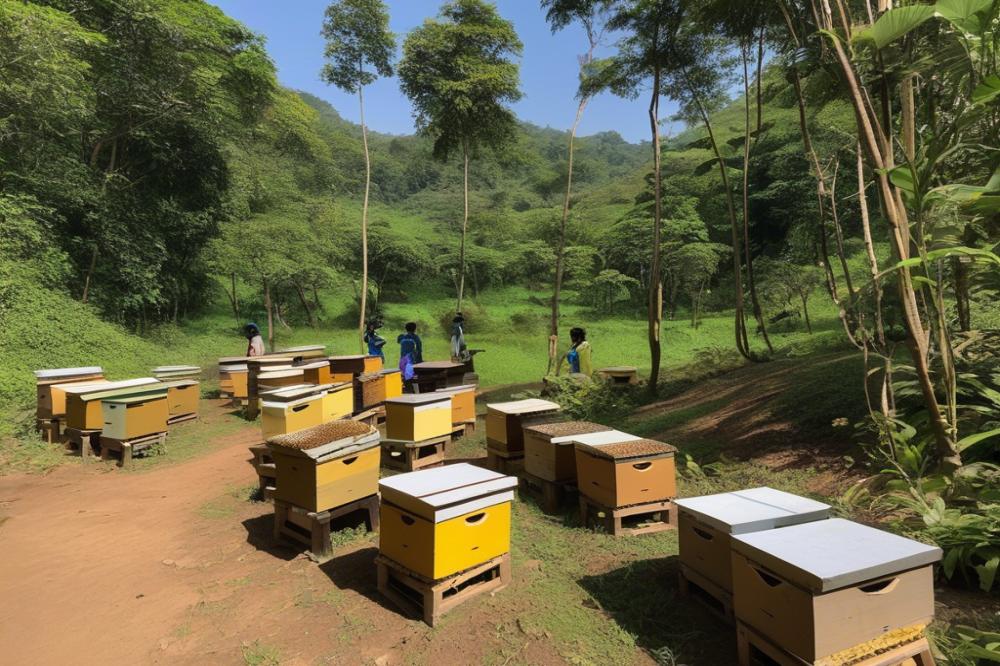
In Coimbatore, a significant initiative is underway involving the tribal community of Palamalai. The Tamil Nadu Agricultural University, or TNAU, is at the forefront of this effort to teach scientific beekeeping. Tribal members are receiving training, which focuses on enhancing their livelihoods by adopting modern beekeeping practices. This training will help them understand how to manage hives better and produce honey, which can lead to an increase in their income.
The program is not only about income generation; it also emphasizes the importance of environmental conservation. Participants learn how bees play a crucial role in pollination, which is vital for maintaining the ecosystem. The aim is to raise awareness among the tribal people about how beekeeping can contribute to sustainable agriculture and environmental health.
In addition to training on hive management, TNAU has provided resources and support for the community. This assistance includes distributing beekeeping equipment necessary for starting their own hives. The university’s involvement ensures that the local tribe receives expert guidance tailored to their specific needs and conditions.
This initiative has been met with enthusiasm, as members of the tribal community can now explore new avenues for income. Economic empowerment is a key goal, as many families depend on agriculture while facing challenges such as erratic weather and market fluctuations. Beekeeping presents a viable alternative that can help stabilize their financial situation.
Another important aspect of the training involves building community ties. Participants are encouraged to share knowledge and experiences, thus fostering a sense of unity among themselves. The collaboration not only enhances their skills but also strengthens their community bonds as they work towards common goals.
Furthermore, training sessions cover various aspects of beekeeping, including the life cycle of bees, disease management in hives, and the market potential for honey products. This comprehensive approach ensures that participants are well-equipped to start their beekeeping ventures successfully.
Overall, these efforts to initiate the tribal community of Palamalai into scientific beekeeping underline the potential for agricultural diversification. The initiative serves as a model for other regions looking to empower local communities through sustainable practices. The training offered by TNAU could serve as a catalyst for positive change in livelihoods and environmental stewardship.
Read the full story by: The Hindu