

Introduction
Honey holds a special place in the hearts and kitchens of many people. Harvesting this golden liquid is vital for both culinary enjoyment and various health benefits. Beyond its taste, honey plays a significant role in the economy and agriculture. To ensure fruitful yields, beekeepers must master the art of beekeepingworld.online/balancing-conservation-and-commercial-beekeeping-on-publicly-owned-lands”>honey harvesting.
Beekeeping often revolves around the management of apiary systems, particularly in remote hive sites. These locations present truly distinctive challenges due to their distance from urban centers. Beekeepers must be familiar with local flora, as nectar flow heavily influences honey production. Remote areas may provide unique floral sources, boosting the quality of harvested honey.
Understanding the seasons is crucial for successful honey extraction methods. Each season offers different advantages and influences bee behavior. Spring, for instance, is a time of abundant blooms, while fall often marks the end of active foraging. The right timing can greatly affect the overall yield of honey, making it essential for beekeepers to remain vigilant.
Sustainable beekeeping practices can optimize honey production while promoting healthy bee populations. Apiary management must be approached with care and foresight. Beekeepers should be aware of how their hive location can affect not only honey quality but also the longevity of the bees themselves. Knowledge of seasonal trends can guide these dedicated individuals in creating a thriving beekeeping environment. By prioritizing these factors, beekeepers can enjoy both the rewards of honey harvesting and the health of their bees for seasons to come.
Understanding Honey Production
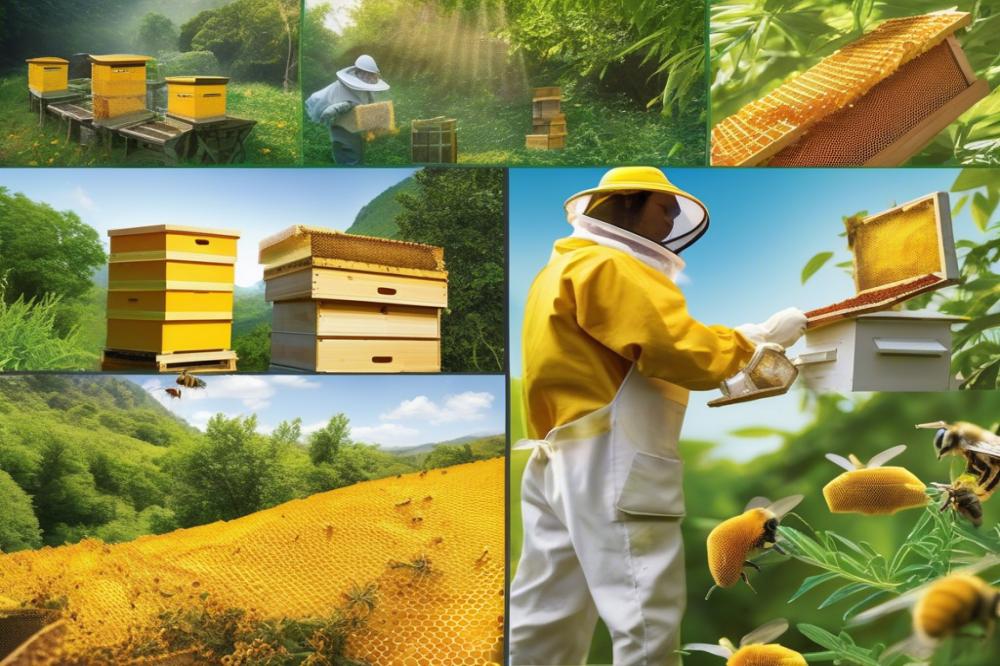
Nectar flow plays a crucial role in honey production. It refers to the availability of nectar from flowering plants. Bees collect this sweet substance to create honey. Without a robust nectar flow, honey production can decline significantly.
Several factors influence seasonal honey production. Weather conditions, such as temperature and rainfall, affect the flowering of plants. Bees thrive in warm weather when flowers bloom abundantly. Additionally, the hive location is vital. An apiary close to diverse flora will have better yield than one positioned in a less favorable area.
Bee behavior also impacts both the quantity and quality of honey. Bees are social insects. They work together to ensure efficiency in foraging. If a colony feels stressed, it may produce lower-quality honey. Stressors include pests, diseases, and environmental changes. Observing these behaviors can help beekeepers adopt sustainable beekeeping practices.
The timing of honey extraction methods is also important. Harvesting too early can yield honey that is not fully ripened. This can lead to problems like fermentation. Proper management of hives allows beekeepers to determine the right time. Monitoring the moisture levels in honey is key to achieving high-quality production.
Ultimately, understanding nectar flow, seasonal changes, and bee behavior helps in effective apiary management. Each element contributes to successful honey production. By paying attention to these factors, beekeepers can enhance both their yield and the quality of honey they produce.
Optimal Seasons for Harvesting Honey
Spring: Preparing for the Honey Flow
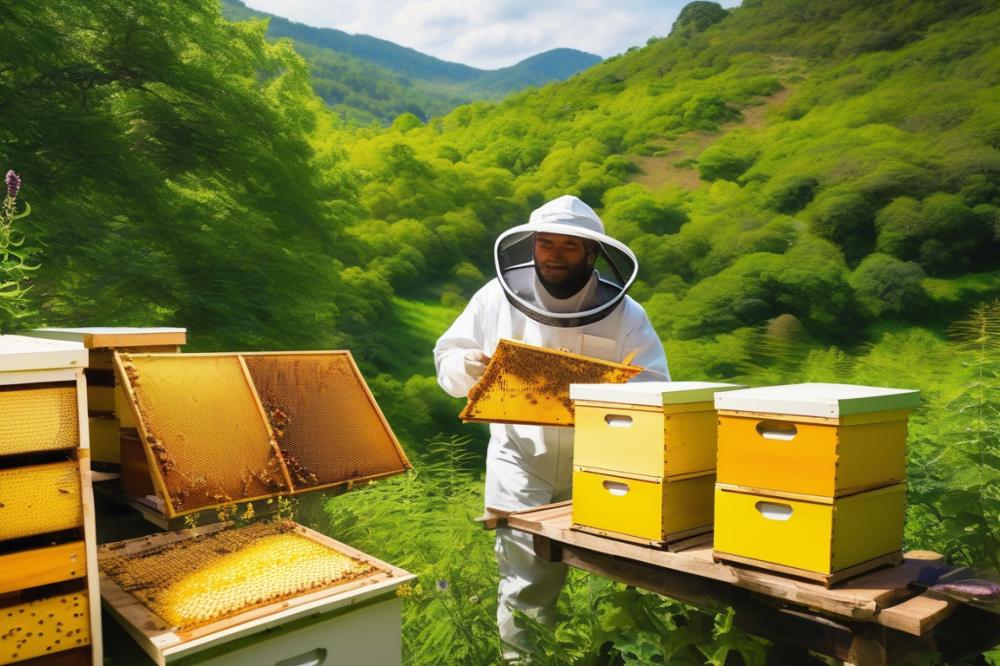
During spring, bees emerge from their winter dormancy. Beekeepers must prepare their hives for the upcoming nectar flow. Strong colonies are essential, as bee behavior during this time is focused on reproduction and foraging. Inspecting hive locations and ensuring they are safe is crucial. Spring flowers begin to bloom, and with them comes an opportunity for seasonal honey production. Feeding bees with sugar syrup can help them build strength. Preparation now sets the stage for a productive season ahead.
Summer: Peak Honey Production and Harvesting
Summer marks the peak of honey production. Nectar flows from blooming plants create a bustling atmosphere in the apiary. Beekeepers should monitor hives closely. Regular inspections help assess honey levels and the overall health of the bees. This season is vital for honey extraction methods. Deploying proper techniques can safeguard and enhance honey quality. Harvesting during mid-summer allows for the collection of the first major crop. Light honey often results during this time, prized for its flavor and clarity.
Fall: Managing Hives for Winter and Late Harvests
As summer fades, beekeeping attention shifts to fall. This season is about managing hives effectively to prepare for winter. Some beekeepers may discover a secondary nectar flow, leading to late harvests. Strong colonies can withstand the cold months ahead. Reducing hive entrances helps protect the bees from pests. If necessary, additional feeding should be provided. Establishing a healthy environment now promotes sustainable beekeeping. Overall hive management plays a critical role in the bees’ survival.
Winter: Preparations for the Next Season
Winter requires a different focus from beekeepers. Colonies slow down significantly, and their activity diminishes. Preparing for the next season starts now. Beekeepers should check hives for adequate food supplies. Monitoring for moisture levels is also important. The right conditions can support bees during their dormancy. While no honey harvesting occurs, this time is vital for planning and education. Understanding what worked and what did not ensures better outcomes in the following spring.
Methods for Honey Extraction
Traditional Honey Extraction Methods
Traditional techniques have been used for generations. Beekeepers often employ simple tools to harvest seasonal honey. Many start with a method called the crush-and-strain technique. This involves crushing honeycombs and then filtering out the wax. Another classic approach is the use of a honey extractor. This machine spins frames of honeycomb to force honey out using centrifugal force. While effective, these methods require careful handling to maintain honey quality.
Modern Honey Extraction Techniques
Modern extraction methods have advanced significantly. Some beekeepers use electric honey extractors. These tools simplify the process, allowing for quicker retrieval. Additionally, there are specialized heated tanks for melting beeswax, which can streamline the extraction. remote hive sites may benefit from solar-powered equipment. Sustainability plays an important role in beekeeping, and many modern techniques promote eco-friendly practices. Understanding bee behavior can also enhance methods, leading to better honey production.
Choosing the Right Method for Remote Sites
Selecting the proper extraction technique depends on hive location. Remote sites require portable equipment that’s easy to transport. Considerations like the size of the apiary and available resources are essential. Accessibility greatly influences method choice, especially in rugged terrains. Some methods might be easier but less efficient in those areas. Effective apiary management is crucial to keep bees healthy and productive.
Tools and Equipment Necessary for Honey Harvesting
Having the right tools makes honey extraction smoother. Beekeepers should invest in essential items such as protective gear, including suits and gloves. A good hive tool is vital for opening hives safely. Jars, buckets, and containers for storing honey are also necessary. Depending on the method, a honey extractor or strainer may be needed. Overall, proper equipment contributes to the quality and safety of honey, ensuring that bee colonies remain healthy and productive.
Apiary Management for Remote Hive Sites
Managing remote hives requires attention and care. Good practices make a big difference in honey production and bee health. Establishing a schedule for regular visits can help in monitoring the bees. Each trip to the apiary provides an opportunity for observation and maintenance. Choosing the right time to visit is crucial, especially during peak nectar flow.
Best Practices for Maintaining Remote Hives
Utilizing a checklist can streamline hive inspections. Consider inspecting for pests and diseases, as these can quickly diminish a colony’s strength. Maintaining an appropriate distance between hives reduces competition among colonies. Also, ensure that hives are sturdy and weather-resistant to withstand the elements.
Considerations for Hive Location on Public and Private Land
Locating the hive is an important aspect of apiary management. On public land, understanding local regulations is vital. Bees thrive near diverse flora, so select spots with abundant flowering plants. Privacy is important too; bees should be away from heavy foot traffic. When placing hives on private land, communicate with landowners about responsibilities and access.
Sustainable Beekeeping Practices to Enhance Honey Quality
Sustainable beekeeping focuses on maintaining healthy ecosystems. Planting diverse plants around hives can support bee behavior and increase nectar availability. Avoiding chemical treatments can also contribute to higher honey purity. Employing organic methods reduces potential harm to both bees and the environment.
The Importance of Regular Hive Inspections
Inspections should happen routinely throughout the year. During these checks, beekeepers can assess honey quality and overall hive health. Early detection of problems can help prevent larger issues later on. Each visit helps better understand bee behavior and seasonal changes. Regular monitoring can enhance the success of honey extraction methods, leading to a more fruitful harvest.
Legal and Ethical Considerations
Beekeeping can lead to wonderful rewards, but it comes with responsibilities. Navigating public and private property for hives requires awareness of boundaries. Whether you’re harvesting at your own location or a remote site, it’s vital to respect others’ rights. You should know where your hives are located and understand who owns the land.
Accessing private property means obtaining permission from the landowner. Additionally, local regulations vary widely. Some areas have strict laws about keeping bees, while others are more lenient. Always check the rules for your area before putting up an apiary. This will help you avoid fines or legal issues.
Community involvement is also important. Engaging with local beekeepers can provide valuable insights. They might share tips on sustainable beekeeping practices or seasonal honey production. Learning about bee behavior within your area enhances your knowledge of honey extraction methods over time.
Protecting the environment is crucial. Ethical beekeeping practices support not just your hives but the ecosystem too. Participate in community events that educate others about the importance of bees. This could go a long way in gaining support for your activities, fostering a sense of shared responsibility towards the environment.
Lastly, consider honey quality when planning your harvest. A responsible approach to apiary management involves understanding nectar flow cycles and their impact on honey. Be prepared to adjust your methods according to local conditions, which may differ from season to season.
Final Thoughts on Honey Harvesting
Recapping the best seasons for honey collection shows that late summer and early fall often provide the richest yields. During these months, bees are typically at their busiest. Various methods come into play for remote hive sites, as well. Beekeepers often find success using gentle techniques to minimize stress on the bees while encouraging them to leave behind some honey.
Looking to the future, honey harvesting practices are likely to evolve. Advances in technology may offer new tools for beekeepers working in isolated locations. Yet, traditional skills will always hold value. Combining old ways with modern innovations can lead to effective and sustainable practices.
Encouraging responsible and sustainable beekeeping should be a priority for everyone involved in this field. Protecting bee populations is crucial for the environment. When hive sites are managed well, beekeepers can enjoy seasonal honey without over-extracting or harming local ecosystems. Thoughtful approaches will help ensure healthy colonies for future generations. The intertwining of nature and beekeeping enriches our world and supports biodiversity. So, let’s support efforts that prioritize the well-being of bees and the land around them.