
“`html
Key Takeaways
- The decline in populations of bees and other pollinating insects is causing agricultural crops to shrink.
- Pollinators are essential for the growth of many fruits, vegetables, and nuts.
- Factors contributing to the decline include pesticides, diseases, and habitat loss.
- Farmers are experiencing economic losses due to reduced crop yields.
- Efforts to protect and restore pollinator habitats are being discussed and implemented.
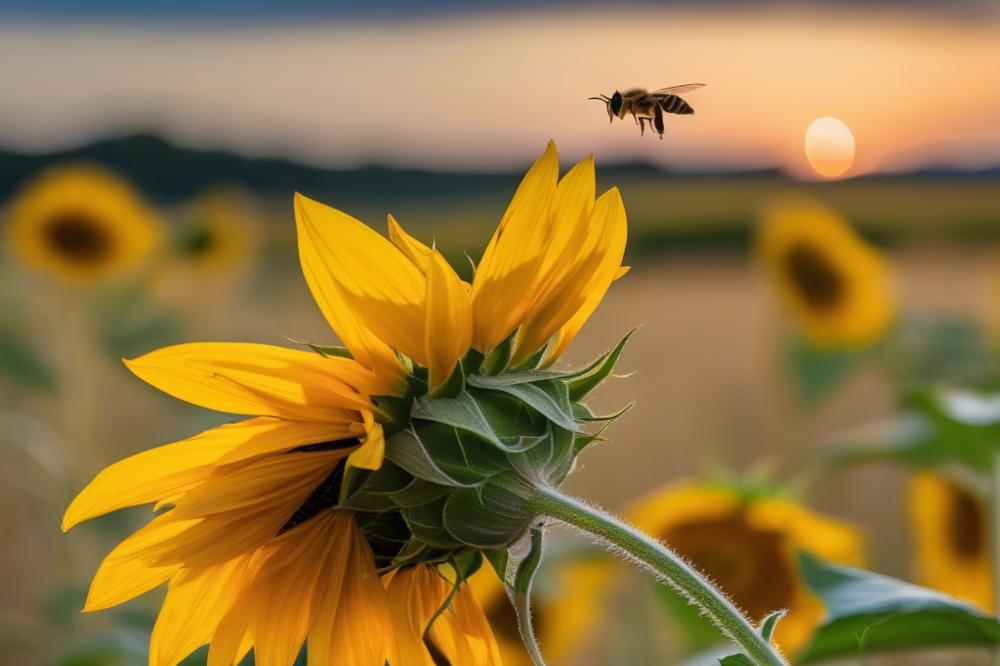
According to recent findings, the significant decline in bee populations and other pollinating insects is resulting in dwindling agricultural yields. These tiny but crucial creatures play a vital role in the pollination process essential for the growth of numerous crops like fruits, vegetables, and nuts, making them indispensable to the agricultural industry. In the last few years, scientists and experts have identified several contributing factors to the alarming decrease in pollinator numbers, such as the widespread use of pesticides, the prevalence of various diseases, and the ever-increasing loss of natural habitats.
Moreover, farmers across the country are witnessing the direct economic repercussions of this environmental issue as crop yields consistently shrink year after year. The decline is not just a local problem but a global one that threatens food security and the economy at large. While the exact numbers of pollinator species affected are still being calculated, the trend is worryingly clear, and the impact on agriculture could be far-reaching. The pressing nature of this issue has prompted an urgent call to action from both conservationists and agricultural experts who stress the importance of restoring and protecting pollinator habitats.
Efforts are underway to find solutions to this problem. Among these, the implementation of conservation practices and the promotion of pollinator-friendly environments in agricultural regions are gaining traction. Farmers are encouraged to adopt sustainable practices that minimize pesticide use and create habitats that support the health and proliferation of pollinating insects. Additionally, breeding programs and initiatives to cultivate more resilient pollinator species are being explored as part of broader conservation strategies.
The multifaceted nature of the problem requires a coordinated approach that involves farmers, scientists, policymakers, and the general public. Education and awareness campaigns are pivotal in highlighting the importance of pollinators and the need to protect them. As we continue to understand the critical roles these insects play, it becomes increasingly clear that a united effort is essential to mitigate the decline and ensure the stability of our food systems.
However, a shift in agricultural practices alone may not suffice. There is a growing consensus that larger-scale changes are necessary to address the root causes of habitat destruction and climate change, which further exacerbate the challenges faced by pollinators. Legislative support and funding for research can provide the necessary backbone to these initiatives, ensuring that efforts are both effective and sustainable in the long term.
Finally, the article underscores the interconnectedness of our ecosystems and the importance of biodiversity. Pollinators are but one piece of the greater environmental puzzle, and their health reflects the broader state of our natural world. Addressing the current decline is not just about preserving insect populations; it is also about safeguarding the intricate balance that sustains life on our planet.
Read the full story by: https://wausaupilotandreview.com/2024/07/19/fewer-bees-and-other-pollinating-insects-lead-to-shrinking-crops/
“`