

Overview of the Importance of beehive security
Bees play a vital role in our ecosystem. They pollinate plants and contribute to the production of fruits and vegetables. Protecting honey bees means protecting our food supply. For beekeepers, safeguarding their hives from theft and damage is crucial. Without proper security measures, beehives become targets for thieves and wildlife.
The impact of theft and damage on beekeeping can be devastating. Lost hives translate to reduced honey production and financial losses. Imagine investing time, effort, and money only to have it all taken away. That’s a reality for many who maintain apiaries on both public and private land. hive monitoring is essential, but it isn’t always enough. Persistent threats require additional layers of protection.
Establishing hives on public or private property also presents unique challenges. Landowners must adhere to property guidelines, while beekeepers need to gain their trust. Proper placement of hives not only provides bees with a safe environment but also considers potential risks. Combining community awareness with effective theft prevention strategies is key. This collaborative approach fosters a sense of responsibility and vigilance among local residents. Forming a neighborhood watch can enhance security further while promoting wildlife protection, too.
Implementing fencing solutions can deter both thieves and wild animals. Meanwhile, displaying signage can inform people about the significance of honey bee protection. A well-managed apiary not only thrives but also contributes positively to the local ecosystem. Beekeepers must remain proactive to secure their valuable assets.
beehive security
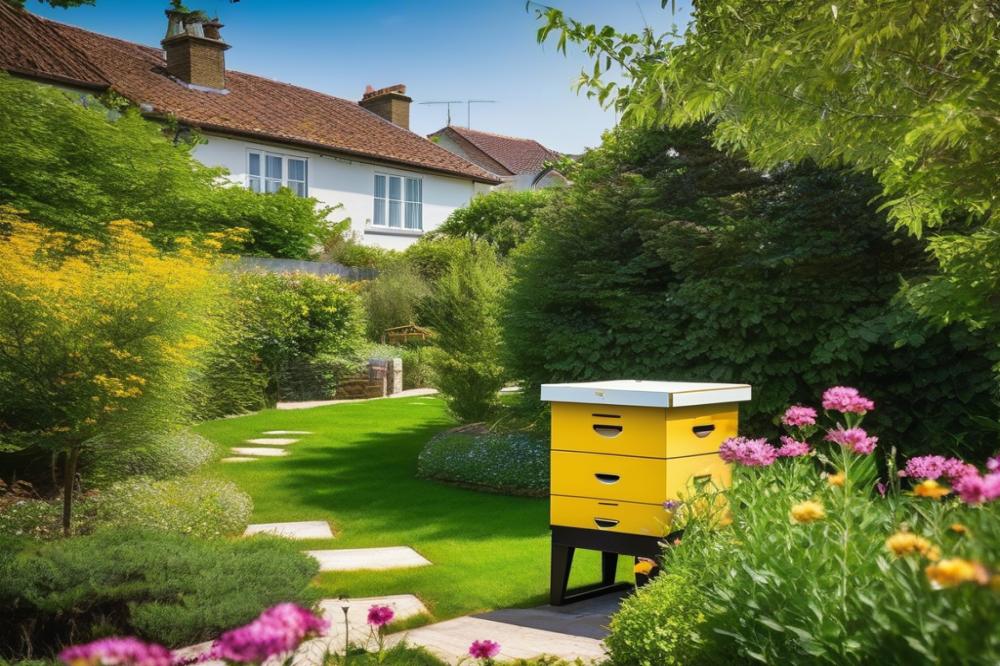
Beehive security refers to the systems and practices that protect hives from theft and damage. The significance of this security cannot be overstated. honey bee protection is important not only for the bees themselves but also for the beekeepers who rely on their hard work. Without proper measures, beehives can become targets for thieves or suffer destruction from wildlife.
Risks vary between urban and rural environments. In cities, people may mistakenly think they can easily access beehives. Rural areas face different threats; here, theft may be more common due to distance from neighbors. Hives can also be damaged by animals like bears or raccoons. A proactive approach to hive monitoring is key in both settings. Recognizing the specific risks in your environment allows beekeepers to focus their efforts on effective solutions.
Legal Considerations for Hive Placement
When placing hives on public land, it is essential to understand local laws. Regulations often dictate where beekeeping can take place. Property guidelines may require permits or specific distances from homes and schools. Beekeepers should also consider how to manage their apiary according to these laws. On private land, having permission from landowners is crucial, yet etiquette counts too. Open discussions can foster community awareness about the benefits of beekeeping.
Implementing basic security measures can deter thefts. Fencing solutions can make hive access challenging for unauthorized individuals or animals. Adding signage that alerts trespassers to the presence of beehives can also serve as a warning. If neighbors are aware of nearby hives, they are likely to keep an eye out. Establishing a neighborhood watch focused on local beekeeping can also enhance hive safety. This sets a precedent for collaboration and shared responsibility in protecting these crucial pollinators.
Honey Bee Protection
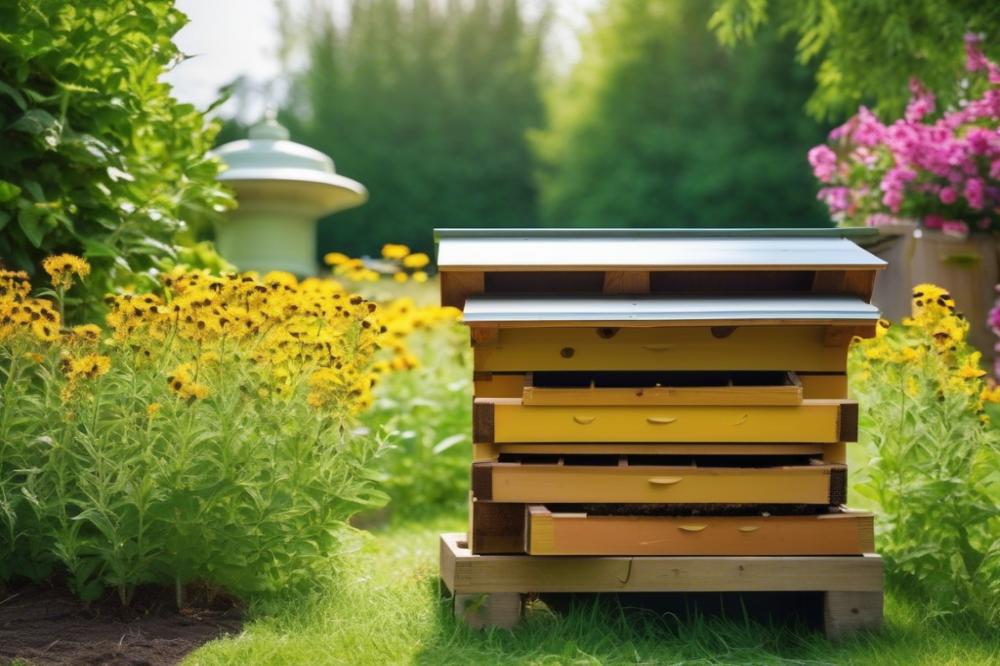
Protecting honey bees is crucial for both biodiversity and agriculture. These pollinators play a vital role in our ecosystems. Without them, many plants, including crops, would struggle to grow. This impacts food availability and prices. Understanding their significance is the first step toward effective honey bee protection.
Healthy hives are less appealing to thieves. Start by maintaining strong colonies through regular hive monitoring. Check for signs of disease or pests often. Keeping bees healthy not only aids in honey production but also boosts their resilience against theft. Beekeepers should consider high-quality equipment and tools. Investing in robust hives can act as theft deterrents, protecting valuable hives from being targeted.
Fencing solutions are valuable for apiary management. Properly enclosing the area can discourage unwanted visitors, be they human or animal. Construct sturdy fencing around hives to create a barrier. Adding signage can further deter potential thieves from approaching. Clear indicators of private property and warnings about being monitored can go a long way. Alerting the public to the importance of honey bee protection fosters community awareness.
Engaging neighbors also strengthens overall security. Establishing a neighborhood watch can create a protective network. People living nearby can keep an eye on the hives and report any suspicious activity. Collaborating can enhance vigilance against theft or damage. Furthermore, it’s wise to follow property guidelines, especially when placing hives on public or private land.
Wildlife can pose threats to hives as well. Incorporating protective strategies is essential. Various animals might try to get into hives, so consider wildlife protection measures. For example, building sturdy bases or using netting can prevent pests and larger animals from accessing your bees. A multi-faceted approach will improve the chances of safety for your bees.
Ultimately, developing a resilient apiary management plan is critical for success. Beekeepers should review their plans regularly, adjusting as needed. Staying educated about the best practices can lead to healthier colonies and safer environments. By taking proactive steps, the risks associated with beehive security can be minimized significantly.
Hive Monitoring
Technologies and Practices for Effective Hive Monitoring
Effective hive monitoring plays a vital role in protecting bees and hives. Using modern technologies helps bee farmers and hobbyists alike. Many now opt for remote monitoring systems that can track hive conditions. This includes temperature, humidity, and even sound within the hive. Such data informs beekeepers when to take action.
Practices also matter. Regular inspections should be a priority. Checking for signs of stress in bees can alert beekeepers to problems early. Keeping a close eye on the hive’s health supports honey bee protection. Good apiary management practices can lead to happier, healthier bees. The more informed beekeepers are, the better they can respond to potential threats.
Use of Cameras and Sensors to Enhance Security
Cameras serve as an excellent deterrent to anyone who may wish to steal or harm beehives. Visible cameras can discourage thieves simply by being present. Motion-sensor cameras can alert beekeepers to unusual activity. These quick notifications allow for faster responses.
In addition to cameras, sensors play a crucial role in hive monitoring. Placing sensors near the apiary will help detect vibrations or movements. This can indicate tampering or wildlife interference. It is also important to install signage that warns potential trespassers. Clear property guidelines can inform visitors about the area’s rules, which aids in community awareness. Moreover, encouraging neighborhoods to watch over beehives fosters a sense of shared responsibility.
Regular Inspections and Maintenance Routines
Routine inspections should not be an afterthought. Scheduled visits to your hives can help you spot problems. Inspecting for signs of pests or diseases keeps both beekeepers and bees safe. Maintenance routines also include checking the structures of the hives. Strong, well-maintained hives can withstand adverse weather and deter wildlife.
Fencing solutions can further enhance security in your apiary. A sturdy fence can physically block unwanted visitors, both human and animal alike. Additionally, regular maintenance of these barriers is key to their effectiveness. Ensure the fence remains intact and well-placed. Addressing any damages promptly can prevent potential break-ins.
Overall, investing time into monitoring hives can pay off greatly. Utilization of various strategies, like community awareness and building a neighborhood watch, strengthens the networks protecting beehives. Collaboration can serve as an excellent theft deterrent, while wildlife protection practices contribute to the welfare of the bees. With these methods in place, beekeeping can become a more secure and enjoyable endeavor for all involved.
Fencing Solutions
Installing physical barriers around beehives can greatly enhance honey bee protection. Fencing acts as a first line of defense against theft and damage. It not only secures the hives but also makes the area less appealing to potential tamperers.
Types of Fencing
There are various fencing options available to choose from. Electric fencing provides a strong deterrent against both humans and wildlife. This type of fencing delivers a mild shock, dissuading intruders from approaching.
Wooden fences offer a sturdy, traditional look. They can be painted or treated to blend in with the environment. A wooden barrier can also be quite effective, especially when built to a height that discourages climbing.
Chain-link fencing is another practical option. It is durable and allows visibility while keeping intruders out. Many beekeepers opt for this style due to its affordability and adaptability to different spaces.
Best Practices for Fencing Design and Maintenance
Designing the right fence requires careful consideration. Height is important; the taller the fence, the better it serves as a theft deterrent. Make sure to install the fence deep into the ground to avoid easy removal.
Regular maintenance is key to keeping the fence effective. Check for rust on metal types and rot on wooden ones. Ensure that each section is securely fixed and free from gaps that animals may exploit.
Signage can also play a significant role. Clearly indicate the presence of hives and potential risks. Community awareness can greatly bolster apiary management efforts. A neighborhood watch can help report suspicious activities around the hives.
Remember, the goal is not just to protect property but also to promote harmony in the community. When neighbors understand the importance of hive monitoring, they are more likely to support protective measures. Wildlife protection is another aspect; be aware of animals that might threaten your bees and fence accordingly.
Signage and Deterrents
Effective signage can play a crucial role in preventing theft and damage to beehives. By clearly marking the area, individuals can communicate to others that hives are present. This simple act can often deter potential thieves. Signs should be evident and easy to read from a distance. Consider using bold lettering and bright colors. The message can include warnings about the presence of honey bees and the potential penalties for tampering with hives.
Visual deterrents enhance the impact of signage. Creative designs can capture attention while conveying important information. For example, images of bees can reinforce the message. Additionally, signs indicating hive monitoring systems can inform potential intruders that the area is under surveillance. Combining effective messaging with eye-catching visuals strengthens the overall security effort.
Legal Implications of Signage on Public Land
Placing signs on public land requires careful consideration of property guidelines. Local regulations may dictate what can be displayed. Before installing any signs, it is essential to check with local authorities. They may have specific rules regarding size, placement, and content. Understanding these regulations is important. Failing to comply could result in fines or removal of the signs.
Community awareness is vital in protecting beehives. Engaging local residents can enhance security efforts. Neighborhood watch programs can be established, where neighbors keep an eye on each other’s property. Information about honey bee protection can be shared to help foster a sense of responsibility within the community.
Fencing solutions complement signage effectively. Barriers can physically restrict access to beehives. These obstacles can serve as both a deterrent and a protective measure against wildlife. Be sure the fencing is high enough to prevent curious animals from reaching the hives. Together, signage and fencing create a comprehensive approach to apiary management.
Community Awareness
Engaging local communities in honey bee protection is essential for the security of beehives. Many people may not realize the importance of bees to our environment. Raising awareness can help foster a sense of responsibility among neighbors. When people understand the value of pollinators, they are more likely to protect them.
Neighborhood watch programs can serve as effective theft deterrents for apiary management. Residents can form groups to monitor local beekeeping areas. Regular communication among members encourages vigilance. Simple actions, like reporting suspicious activity, can go a long way in preventing theft and damage.
Working together with local authorities is vital in combatting threats to beehives. Collaborations can lead to strengthened property guidelines around apiaries. Local law enforcement can assist in educating the public about laws regarding trespassing and vandalism. Supporting beekeepers through such initiatives can enhance hive monitoring efforts.
Fencing solutions add an extra layer of protection for both private and public land. Fences can discourage unwanted visitors and wildlife. Proper signage also plays a role in informing potential trespassers about the presence of bees. Clear messages about honey bee protection can deter individuals from approaching private apiaries.
Additionally, organizations focused on beekeeping can provide valuable resources to the community. Workshops can teach neighbors about the significance of maintaining healthy bee populations. Educational programs can address both hive security and wildlife protection. By fostering this knowledge, communities become active participants in promoting safety for bees.
Building a strong foundation of community awareness is key. When people feel connected to their environment, they are more likely to take action. Awareness campaigns can thrive through social media or local events. This outreach fosters a united front in tackling theft and damage to beehives.
Wildlife Protection
Challenges posed by wildlife to beehives
Many beekeepers face challenges from local wildlife. Bears, raccoons, and even skunks can wreak havoc on beehives. These animals are attracted to the sweet scent of honey. They can turn a peaceful apiary into a scene of destruction. Damage may not only lead to loss of honey but can also harm the bee population. Unprotected hives are vulnerable to such threats. Wildlife encounters often result in significant financial losses for beekeepers.
Strategies for preventing wildlife damage
Implementing effective strategies is crucial for honey bee protection. Fencing solutions can create a barrier against larger animals. Electric fences may deter even the most determined critters. Installing motion-activated lights can startle wildlife and send them running. Additionally, reinforcing hives with heavy materials can discourage tampering. Securing food sources around the apiary will also help. Keeping trash and compost away minimizes attractants. Engaging in regular hive monitoring can alert beekeepers to problems early.
Integrating wildlife protection with overall hive security measures
Wildlife protection should not be an isolated task. Integrating measures with overall hive security can yield better results. Signage is one effective way to inform the public. Clearly marked “No Trespassing” or “Beehive Area” signs can raise awareness. Community awareness programs can educate neighbors about the importance of protecting hives. A neighborhood watch can provide additional support. Beekeepers should also follow proper property guidelines to ensure their hives remain safe. These actions encompass theft deterrents alongside wildlife protection. Combining these strategies may help create a safer environment for bees and beekeepers alike.
Property Guidelines
Understanding Local Regulations and Guidelines for Hive Placement
Local regulations play a vital role in ensuring the safety of your bees. Beekeepers must familiarize themselves with city or county rules regarding hive placement. Each area may have specific restrictions, such as distance from property lines or residential buildings. Ignoring these regulations could lead to conflicts with neighbors or local authorities. Always check zoning laws before setting up your apiary. Proper knowledge helps protect both your bees and your relationships with those nearby.
Communicating with Property Owners About Hive Management
If you plan to keep hives on private land, start by discussing your intentions with the property owner. They should know about the type of hives you want to set up and how you’ll manage them. Sharing your plans fosters trust and can lead to support from the owner. Invite them to learn more about honey bee protection and the importance of bees to the environment. Open dialogue helps create a positive environment, making it easier to address any concerns they might have about beehive security.
Best Practices for Using Public Land Responsibly
Using public land for beekeeping requires special attention. Make sure to research the rules governing such spaces. Placement of hives should comply with all local guidelines to avoid penalties. Be mindful of wildlife protection as well. Animals can inadvertently disturb your hives, leading to potential losses. Implement fencing solutions to create a barrier against intruders, both human and animal. Adding clear signage will alert the public about your apiary. Engage in neighborhood watch programs to increase community awareness around your beekeeping activities. Regular hive monitoring will help detect any problems early, minimizing the chance of theft or damage to your hives. Always prioritize responsible apiary management to keep both your bees and your surroundings safe.
Final Thoughts on Beehive Protection
Recapping the key strategies discussed in this article, beekeepers can take several steps to prevent theft and damage to their hives. Installing sturdy locks and using camera systems are practical measures that can deter potential thieves. Additionally, placing hives in well-lit, populated areas makes them less appealing targets. Creating community awareness also plays a crucial role. When neighbors are informed, they can help keep a watchful eye on each other’s apiaries.
Encouragement should be given to all beekeepers to adopt effective security measures. Taking these actions not only protects personal investments but also aids in the larger effort of honey bee protection. Engaging in hive monitoring can help you identify potential risks early. Regular checks create a sense of responsibility and awareness among beekeepers.
Community involvement is essential. Collaborating with local organizations or joining beekeeping groups can foster a stronger network of support. When everyone looks out for one another, it enhances the overall safety of honey bee colonies. If you’re part of a community, consider organizing a local event focused on beekeeping education and protection. Together, let’s create an environment where our beehives can thrive without fear of theft or damage.