

Finding the Best Locations for Setting Up Beehives on public and private land
Setting up beehives is a vital practice in supporting the well-being of our environment. Selecting the right site for these hives can greatly influence the health of the bees and their productivity. bees rely on their surroundings for food, water, and shelter. Therefore, considering various environmental factors can make a significant difference. An ideal apiary setup will not only benefit the bees but can also enhance pollinator habitat, helping crops and wild plants thrive.
For beekeepers, hive placement is more than just finding a convenient spot. Ensuring that the bees have access to diverse flowers is crucial for their foraging activities. Urban beekeeping may present different opportunities and challenges compared to rural beekeeping. In city settings, bees often access a wide variety of plants. However, rural areas might provide more expansive natural habitats conducive to bee health.
Attention must also be given to land management practices. These methods can impact the availability of food and the overall well-being of bee colonies. public and private land requires different considerations. Community guidelines can restrict where beehives may legally be located. Engaging with local regulations ensures that beekeeping activities remain suitable and respectful to neighbors.
Environmental considerations are paramount when selecting sites for beehives. Factors such as sunlight exposure, wind protection, and proximity to water sources can influence bee behavior. Closer examination of local flora could reveal valuable insights about pollen availability. After all, bees are most productive when they have access to abundant resources.
Ultimately, a well-thought-out approach to beehive locations can enrich not only the life of the bees but also foster healthier ecosystems. As community interest in beekeeping grows, understanding the complexities of these best practices becomes increasingly important. By taking these factors into account, beekeepers can successfully contribute to the vitality of the bee population and their surrounding environments.
Factors to Consider for beehive locations
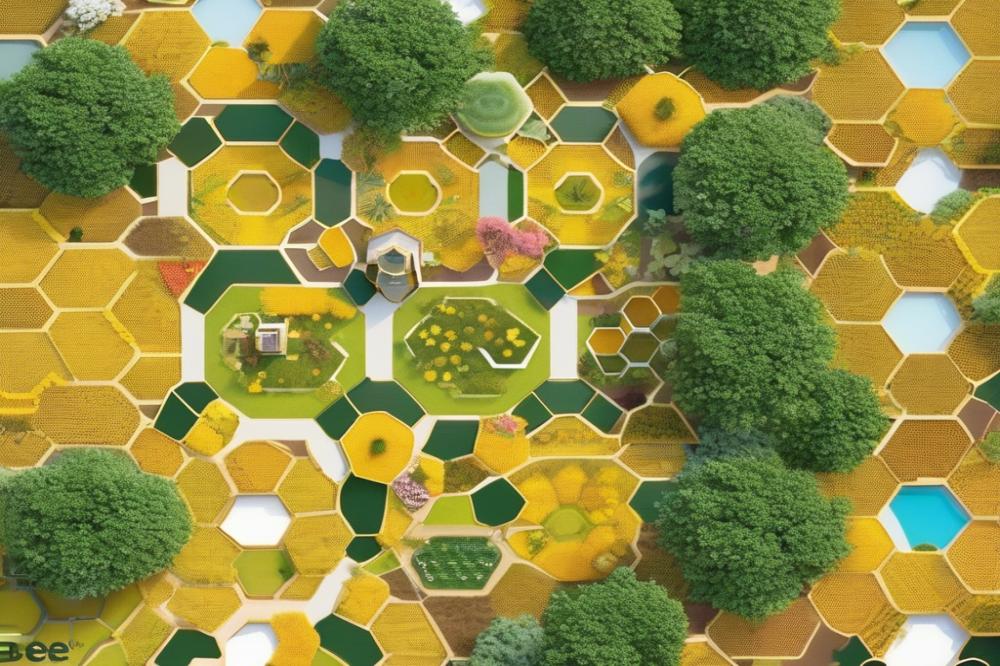
Environmental Considerations for Hive Placement
Location is crucial when establishing an apiary setup. Bees thrive in areas that offer protection from harsh weather. Look for spots that provide some shelter from wind and excessive rain. A sunny area is ideal, as bees need warmth to maintain their hive’s temperature. Water availability is also important. Proximity to a clean water source can greatly affect bee health. Evaluate the terrain as well; hives should be on a level surface to prevent flooding during heavy rains.
Importance of Pollinator Habitat
A rich pollinator habitat greatly benefits bees. Fields with diverse blooms offer essential forage. Think about planting native flowers, herbs, and shrubs that attract pollinators. These plants support not only bees but other beneficial insects too. When choosing locations, consider existing vegetation that might provide ample food sources throughout various seasons. Urban beekeeping can be particularly effective if green spaces, gardens, or parks are available nearby. Rural beekeeping often presents opportunities for more extensive natural habitats, as agricultural land can provide diverse floral sources.
Land Management Practices That Support Bees
Land management practices play a significant role in supporting bee populations. Avoiding pesticides is a responsibility that every landowner should take seriously. Chemicals can be devastating to bee health. Opt for organic farming practices whenever possible. Engage with community guidelines that promote safe and sustainable practices for beekeeping on public and private properties. Incorporate buffer strips of wildflowers near crops to enhance the habitat connectivity for bees. This will create an encouraging environment for their foraging needs and improve overall resilience in bee populations.
Public Land Beekeeping

Understanding community guidelines for beekeeping on public land
Beekeeping on public land can be tricky. Each community often has its own set of rules. Guidelines can vary significantly from one area to another. Some local governments allow beekeeping, while others might impose strict limitations. Learning about community guidelines is a crucial step. Reaching out to local governing bodies will provide answers. They can inform you about zoning laws and restrictions. Be sure to check the size and characteristics of the area. Safety for both bees and people should be a priority.
Navigating regulations and permits
Before setting up an apiary setup, understanding regulations is vital. Many municipalities require permits for beekeeping. In some cases, restrictions are placed on the number of hives. This is especially true in urban beekeeping settings. Making inquiries early helps avoid complications later on. State laws can also influence federal regulations. Always keep informed about changing laws that might impact your hives. Checking in with local beekeeping associations can provide valuable insights. These groups can guide you through legal mazes with ease.
Best practices for locating hives on public property
When considering hive placement, think about the surroundings. Bees thrive in areas rich in pollinator habitat. Fields of wildflowers or gardens nearby can be beneficial. Consider the exposure to sunlight and wind as well. Hives should ideally be sheltered from strong gusts. Locations that offer some shade during hot months are preferable for bee health. Avoid placing hives too close to high-traffic areas. This minimizes potential conflicts with people and helps keep the bees calm. Be mindful of environmental considerations, too. Polluted areas can negatively impact bee populations. Always assess land management practices around your chosen site. These practices affect the overall health of your bees and their foraging opportunities.
Private Land Beekeeping
Identifying Suitable Private Land for Hives
Finding the right spot for an apiary setup can be challenging. Prospective beekeepers should look for areas that have ample sunlight. A location with good drainage is also critical. Proximity to diverse flowering plants helps bees access food sources. Urban beekeeping offers unique advantages, like access to varied gardens. On the other hand, rural beekeeping often has fewer restrictions. Ensure the spot is somewhat sheltered from strong winds. Seasonality can affect flowering patterns, so consider those factors as well.
Cooperation with Landowners and Establishing Agreements
Working with landowners is essential for successful beekeeping. Open communication stands at the heart of this relationship. Discuss expectations and responsibilities upfront. Drafting a written agreement can protect both parties. It’s wise to include terms about hive management and regular inspections. Landowners often appreciate knowing how bees contribute to pollinator habitat. Build trust by keeping the lines of dialogue open. Many may be supportive if they understand the benefits of bees, like enhanced garden productivity.
Biosecurity and Hive Placement to Protect Local Ecosystems
Preventing disease in bees is crucial for bee health and local ecosystems. Beekeepers must monitor for signs of illness regularly. Placement of hives should consider nearby wildlife and plants. Avoid areas near other colonies to prevent disease transmission. Implementing good land management practices can help maintain balance with nature. Use community guidelines for safe distances from homes and livestock. This minimizes potential conflicts. Practicing responsible hive placement promotes sustainability efforts within the environment. Following these steps will greatly increase your chances of success.
Urban vs. Rural Beekeeping
Considerations for Urban Beehive Locations
Beekeeping in cities offers a mix of advantages and challenges. Urban environments can provide abundant food sources for bees, including flowering plants in parks and gardens. High-rise buildings can create unique microclimates, which may help bees thrive. However, hive placement is crucial. Proximity to busy roads can be problematic due to pollution and the risk of bee aggression.
Community guidelines often dictate where hives can be placed. Knowing local regulations is essential before setting up an apiary. Additionally, noise and disturbances may impact bee health. Streets filled with cars or crowded public areas can overwhelm bees, causing stress. Always consider access to clean water and pollinator habitat. Urban beekeepers can collaborate with local gardeners to establish safe, bee-friendly spaces.
Challenges and Opportunities in Urban Environments
Challenges abound in urban beekeeping, but opportunities exist as well. Limited space may not allow for large colonies, while rooftops might offer unexpected benefits. The high density of flowering plants aids in foraging efforts. Furthermore, small gardens and balcony plants can become vital resources.
Managing hives effectively requires additional planning. Beekeepers must think about how to protect their bees from urban predators. Intoxicated or aggressive bees may lead to conflicts. Education and outreach efforts can help the community understand the importance of honeybees in urban areas. In some cities, beekeeping has even sparked interest in local food networks.
Benefits of Rural Beekeeping and Ideal Locations
Rural beekeeping offers distinct advantages. Broader spaces allow for easier hive management and healthier beehives. Fields filled with wildflowers and crops create rich pollinator habitats. Fresh air and fewer pollutants provide bees with a more natural setting. Rural landscapes offer variety and biodiversity, crucial for maintaining bee health.
Ideal locations often include areas with minimal human interference. Farmland near orchards presents opportunities for pollination services. In addition, farmers can gain benefits from enhanced crop yields when bees are present. Landscape features like hills or forests can also play a role in creating shelter from harsh weather.
Land management practices are vital in a rural setting. Farmers and beekeepers can collaborate to ensure that bee populations thrive. Preserving wildflower patches and promoting sustainable farming techniques can lead to healthier ecosystems overall. Rural areas not only support bees but also encourage biodiversity and nature conservation efforts.
Apiary Setup and Management
Layout of Hives and Access for Maintenance
Setting up hives is crucial for effective management. Place them in a way that allows for easy access. Ensure there is enough space between each hive. This will help with maintenance tasks like inspections and honey harvesting. Create clear pathways for movement, especially if the apiary is located in a bustling area. Easy access also minimizes disruptions to the bees. Consider the wind direction when placing hives; a sheltered spot can reduce stress on the colonies.
Creating a Sustainable Apiary with Bee Health in Mind
Designing a sustainable apiary requires careful planning. A diverse pollinator habitat is beneficial for bees. Native plants provide essential food sources and attract beneficial insects. Focus on organic methods of pest control to enhance bee health. Regular monitoring for diseases should also be prioritized to catch any issues early. Documentation of practices helps to create a routine that supports the colonies. Remember that bees thrive in a healthy environment. Therefore, land management practices should promote biodiversity.
Adapting Hive Placement Based on Seasonal Changes
Bees react to seasonal changes, affecting hive placement. In the warmer months, shade becomes essential to keep colonies cool. Shifting hives to sunnier spots in spring can stimulate brood rearing. Conversely, during autumn, protection from the wind should be prioritized. Anticipating these needs can improve colony survival over the winter. Urban beekeeping may require innovative solutions to adjust placements efficiently. Meanwhile, rural beekeeping can benefit from open space and natural windbreaks. Always stay informed about the local climate to help make effective decisions.
Community Involvement and Education
Engaging local communities in beekeeping initiatives can strengthen neighborhood bonds. People often share a fascination with bees and their vital role in nature. By organizing workshops or informational sessions, locals can learn about apiary setup and hive placement. These gatherings are a great chance to connect and share experiences.
The importance of public awareness about pollinators cannot be overstated. Many people may not recognize how crucial bees are to our ecosystems. Without bees, the variety of fruits and vegetables we enjoy would diminish significantly. Educating the public can lead to increased support for bee conservation efforts.
Creating a network for support and resource sharing can greatly benefit both urban and rural beekeepers. Local beekeeping clubs can be a source of knowledge. Sharing best practices for land management and environmental considerations helps everyone involved. Additionally, community guidelines can provide a framework for responsible beekeeping.
Cooperative efforts can also pave the way for improved bee health. By monitoring hives together, beekeepers can identify challenges more efficiently. Access to shared tools and supplies can reduce costs for individuals while promoting better practices. This communal approach fosters a strong sense of responsibility toward pollinator habitat preservation.
Encouraging involvement in beekeeping initiatives promotes an appreciation for nature. Children and adults alike benefit from learning about the importance of bees. As communities become more informed, they develop a greater stake in protecting these essential creatures. Without active participation, awareness fades, and so does the support needed for thriving bee populations.
Final Thoughts on Beehive Location Choices
Recapping the important factors for selecting where to place your beehives can help any aspiring beekeeper. Accessibility stands out as key. Be sure to choose a place that is easy to reach for regular maintenance. Floral availability matters greatly as well. Choosing an area with diverse plants will help support healthy colonies. Additionally, consider the wind direction and sunlight exposure. Both can influence the productivity and survival of the bees.
Responsible beekeeping practices should always come first. Protecting these important pollinators is essential. Follow local regulations and be considerate of neighbors. Avoid placing hives in crowded areas to reduce potential conflicts. Remember, creating a peaceful environment for bees can contribute to their health and the success of your apiary setup.
Bees play a crucial role in supporting biodiversity. These tiny workers help pollinate a significant portion of the foods we eat. Their presence can improve the surrounding ecosystem. Setting up hives not only benefits the beekeeper but also helps the environment. Farming and gardening can thrive with the help of these important creatures.
In closing, finding the right spot for your hives is more than just a practical task. It is about contributing positively to the environment and supporting vital ecosystems. By following these guidelines, anyone can embark on a rewarding journey in beekeeping. With care and awareness, you can help ensure the success of your colonies while valuing the ecosystem around you.