
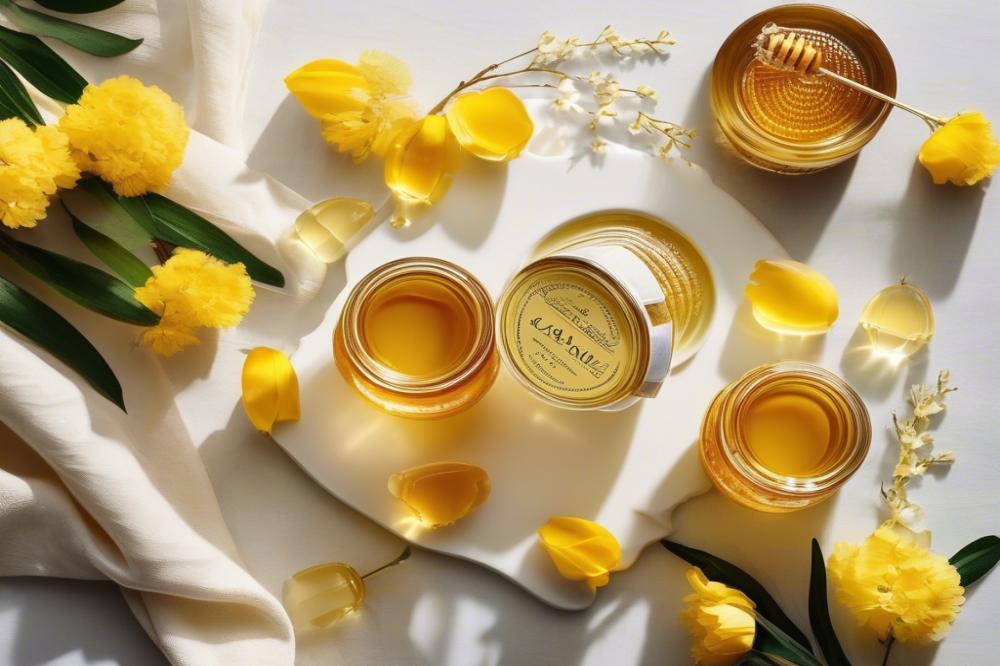
Acacia Honey: A Light and Floral Treasure from Eastern Europe
Acacia Honey stands out as a delightful treasure from Eastern Europe. Known for its light color and floral taste, this natural sweetener captures the essence of spring blossoms. Many people appreciate the way it adds a delicate sweetness to their food and drinks. Exploring the diverse flavors of honey reveals a world filled with different aromas and textures, each with its own story.
light honey is often celebrated not only for its flavor but also for its health benefits. Rich in antioxidants, it provides nutritional value that enhances overall wellness. Additionally, those seeking organic honey will find this variety meets their needs through local production practices that emphasize sustainable beekeeping.
Bee products like this are essential for many culinary uses. Whether drizzled on yogurt or used in marinades, Acacia Honey can elevate any dish. Its versatility makes it a favorite among chefs and home cooks alike. Understanding the charm of this honey fosters a greater appreciation for the bees’ hard work and the environments they thrive in. Each jar is a reflection of careful craftsmanship and the seasonal blooms that define the landscape of Eastern Europe.
In this article, we will delve deeper into the characteristics, production methods, and culinary applications of this exquisite honey. Join us on this delicious journey to discover more about Acacia Honey and its role in both cuisine and health.
What is Acacia Honey?
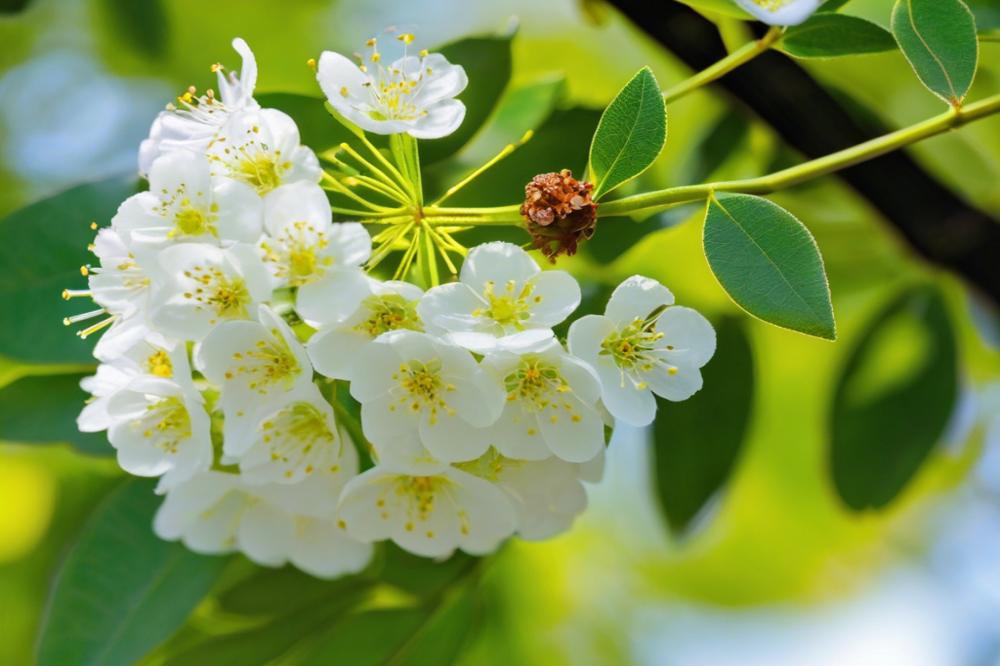
Acacia honey is a distinct type of honey derived from the blossoms of the Acacia tree. Found across Eastern Europe, it has become a cherished natural sweetener. During the spring, bees collect nectar from the wisteria-like flowers, creating a light and transparent product that stands out among other honey varieties.
The color of this honey tends to be pale, often described as almost water-like or golden. It is usually very clear, appealing to those who prefer honey that is less intense in hue. Texture plays a role as well; this honey is known for being exceptionally smooth. These qualities make it a favorite for many culinary applications.
Several factors contribute to its light honey quality. First, the Acacia tree’s delicate blossoms produce nectar that is low in fructose and high in glucose. Because of this, Acacia honey crystallizes slowly, resulting in a fluid consistency that many find pleasing. The lightness appeals to a wide range of tastes and recipes, allowing it to shine in both beverages and dishes.
Along with its physical characteristics, the floral taste gives Acacia honey a unique profile. Many describe it as subtle and delicate, lacking the robustness found in other honey types like wildflower or buckwheat. This gentleness makes it perfect for enhancing flavors without overpowering them. For health-conscious individuals, its nutritional value also stands out. Acacia honey contains antioxidants and provides several health benefits, making it a popular choice among organic honey enthusiasts.
Local production plays a critical role in the preservation of these bee products. Many beekeepers adopt sustainable beekeeping practices to harvest this honey. This means that not only is the honey natural and pure, but the beekeeping methods also support local ecosystems. Culinary uses for Acacia honey are plenty; from sweetening tea to drizzling over yogurts, it adapts well to various dishes.
Overall, the appeal of Acacia honey lies in its combination of lightness, floral notes, and health benefits. Its role as a versatile natural sweetener has secured its place in kitchens and among health enthusiasts alike. Each jar is a testament to the diligent work of bees and the beauty of the Acacia blooms.
Health Benefits of Acacia Honey
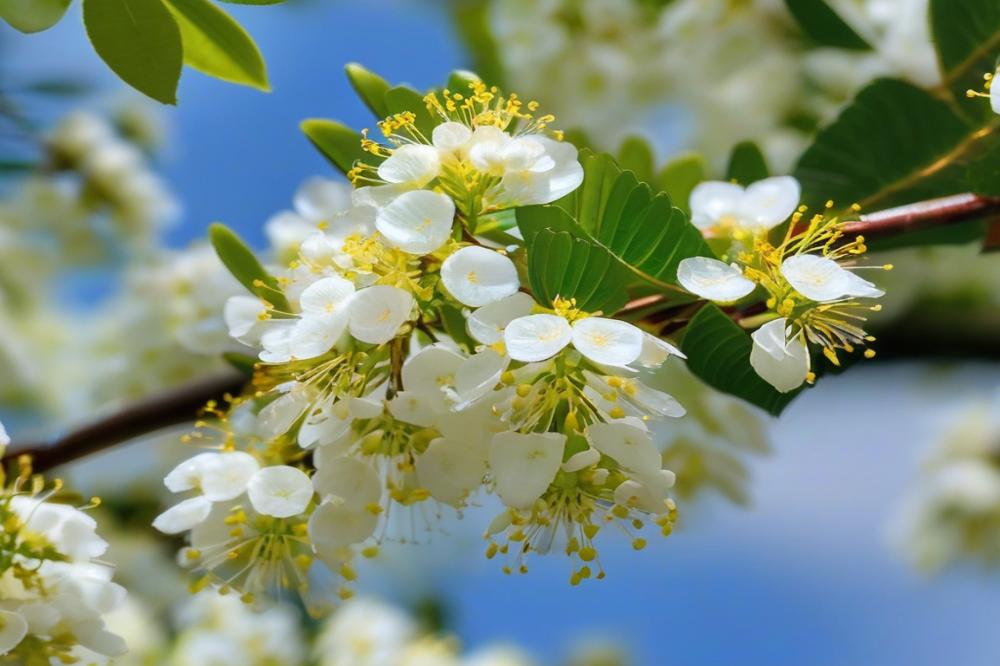
Acacia honey is more than just a sweet treat. It serves as a natural sweetener and brings along some notable health benefits. This light honey possesses a floral taste that makes it ideal for enhancing a variety of dishes. Many people choose organic honey due to its potential nutritional value. It can be a delicious addition to teas, oatmeal, and desserts. Furthermore, it can enhance the flavor of sauces and dressings.
Antioxidants play a vital role in maintaining health. Rich in these compounds, Acacia honey may help combat oxidative stress in the body. These antioxidants work to protect cells from damage caused by free radicals. Additionally, this honey contains antibacterial properties. Studies suggest that it may assist in inhibiting the growth of certain harmful bacteria, which is beneficial for overall wellness.
Digestive health is another area where this bee product excels. Natural enzymes present in the honey can aid digestion. They help break down food more efficiently, promoting better nutrient absorption. Many individuals find that incorporating this sweet substance into their diet can support a healthy digestive system. Sustainable beekeeping practices ensure that this treasure remains available while benefiting the environment.
Local production also plays a part in its health benefits. When sourced from nearby hives, the honey often retains more nutrients. This quality makes it not just a culinary delight, but also a potential health booster. It’s important to appreciate how such a light honey can contribute positively to one’s diet. By choosing Acacia honey, you’re not only enjoying a unique sweetness but also investing in your health.
Culinary Uses of Acacia Honey
Acacia honey is a remarkable natural sweetener appreciated for its light honey and floral taste. This type of honey has many culinary applications, making it a favorite among chefs and home cooks. It can easily enhance the flavor of various dishes and beverages.
Bakers often use it to sweeten their recipes. Drizzling it over warm bread adds a delightful twist that many enjoy. Its mild flavor allows the honey to blend well in baked goods, enhancing sweetness without overpowering other ingredients.
Additionally, many people appreciate incorporating it into salad dressings. By mixing acacia honey with balsamic vinegar and olive oil, one can create a vinaigrette that is both sweet and tangy. This combination perfectly complements greens and fresh vegetables.
Using it in teas and other beverages is another popular method. A spoonful can easily add flavor and sweetness to herbal teas. Many also add it to comfort drinks, like warm lemon water, for a soothing effect.
When it comes to desserts, acacia honey shines brightly. It pairs beautifully with yogurt and granola for breakfast. Adding it to ice cream can provide a floral delight that is simply irresistible. The versatility extends to cakes and pastries, where a touch of this honey can elevate a simple dessert.
The benefits of this organic honey make it a sought-after ingredient. Rich in nutritional value, it offers health advantages while enhancing culinary creations. Sustainability is a priority for many consumers, leading them to choose honey from local production and sustainable beekeeping practices.
In summary, acacia honey plays a vital role in many kitchens around the world. From sweetening savory dishes to enriching drinks, its applications are almost endless. Chefs often recommend this honey for its pure flavor and health benefits, ensuring that it remains a staple offering in both local restaurants and home dining experiences.
Local Production and Sustainable Beekeeping
In Eastern Europe, local production of Acacia Honey plays a significant role in both the economy and the environment. This sweet, light honey not only delights taste buds but also supports the livelihoods of many beekeepers. Many of these artisans take pride in crafting a product that reflects their home’s rich floral landscape. By using traditional techniques combined with modern practices, local beekeepers create a premium natural sweetener valued for its health benefits and culinary uses.
Sustainable beekeeping practices are crucial for maintaining bee populations and protecting the surrounding ecosystems. Beekeepers in this region often engage in methods that minimize chemical use. They focus on organic honey production, which benefits both the bees and the environment. Providing adequate forage and maintaining healthy hives increases the nutritional value of bee products. Such practices foster a thriving ecosystem that allows bees to flourish and produce high-quality honey.
Furthermore, local producers often prioritize biodiversity. Planting a variety of flowers helps provide bees with diverse sources of nectar. This effort not only enhances the floral taste of the honey but also boosts the bees’ immune systems. By fostering robust bee colonies, beekeepers can reduce the likelihood of disease and improve overall hive health. Observing these practices ensures long-term sustainability for both the bees and honey production.
Another important aspect of sustainable beekeeping is the commitment to educating the community. Many beekeepers host workshops and events to share knowledge about the importance of bees. Raising awareness helps people understand the role these insects play in pollination and food production. Engagement at this level cultivates a deeper appreciation for local honey and the work behind it. Moreover, it encourages more consumers to choose organic honey, which supports eco-friendly practices.
Ultimately, the practices adopted by local beekeepers in Eastern Europe greatly influence the quality of the honey produced. The combination of sustainable techniques and a focus on local flora results in honey that boasts a delightful floral profile. This high-quality Acacia Honey stands out as not only a sweet treat but also a wholesome product that people can incorporate into their diets. With every jar, there is a story of dedication, ecology, and health.
Comparing Acacia Honey with Other Honey Varieties
This light honey stands out among the many types available. The floral taste is delicate and pleasing, making it popular with those who appreciate subtler flavors. When contrasted with darker varieties, such as buckwheat or multifloral honey, the differences become evident. Darker honeys often have robust and earthy profiles. They may contain stronger aromas and richer tastes, appealing to certain palates.
Texture varies greatly between honey types. Acacia’s smooth and clear consistency can create a delightful experience. It flows easily, making it an attractive choice for pouring over pancakes or stirring into tea. By comparison, thicker honeys like chestnut can be more viscous, offering a different mouthfeel. Each type of honey brings its own characteristics, providing options for diverse culinary uses.
Health benefits also play a significant role in consumer choice. Many look for organic honey for its perceived nutritional value. Light honeys like this one are often seen as natural sweeteners with lower chances of causing sugar crashes. They tend to have a higher fructose content compared to other varieties. This difference means they may be absorbed quickly by the body, acting as an ideal energy source.
Locally produced options often highlight sustainable beekeeping practices. Beekeepers who focus on this specific floral source may emphasize preserving the environment. Their efforts not only sustain bee populations but also maintain high-quality products. For many consumers, the trust in local production adds to the appeal of such honey, making it a preferred option.
In contrast, some darker honeys may be favored for their strong flavors, but they can have a more pronounced impact on recipes. Those exploring lighter options often find that Acacia complements rather than overwhelms other ingredients. Its versatility allows for easy integration into cooking and baking. This characteristic may contribute to its growing popularity.
Ultimately, personal preference plays a huge role in choosing honey. Some will gravitate towards the vibrant colors and flavors of darker varieties. Others will relish the understated elegance of this lighter type. A diverse selection allows everyone to find something that resonates with their tastes.
The Sweet Allure of Acacia Honey
Acacia honey is more than just a sweetener; it’s a delightful experience. Renowned for its light honey color and floral taste, this product captivates the senses. Many people appreciate its gentle flavor, making it an ideal addition to teas, desserts, and marinades. It enhances dishes without overpowering them, showcasing its culinary versatility.
Natural sweeteners hold a significant appeal, and this particular variation shines brightly in that category. Health-conscious consumers often prefer it over refined sugars due to its potential benefits. Full of antioxidants, it can be a tasty yet beneficial part of a balanced diet.
Sustainability also plays a crucial role in honey production. Choosing to support local beekeepers promotes eco-friendly practices and helps protect the bee population. Sustainable harvesting methods benefit both the environment and the quality of the honey.
Exploring the world of honey provides a chance to discover something wonderful. Enjoying Acacia honey opens the door to a light and floral treasure that enriches meals and supports healthy living. So why not dive in? Treat yourself to this exquisite product and experience its remarkable qualities. You might find your new favorite sweetener waiting for you.